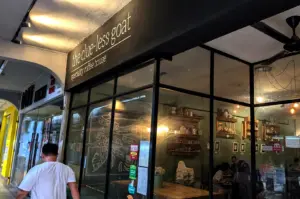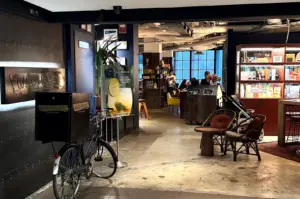
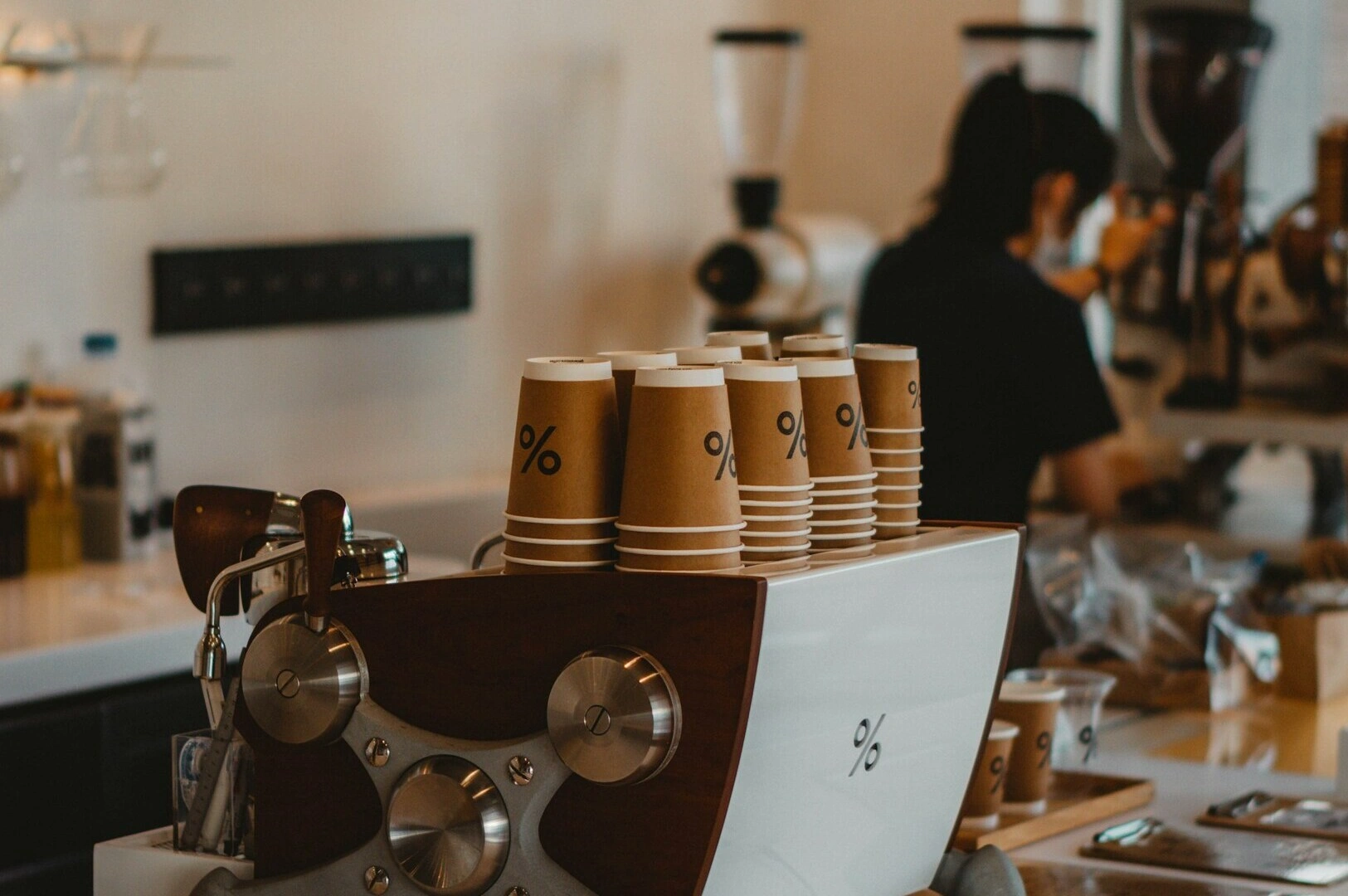
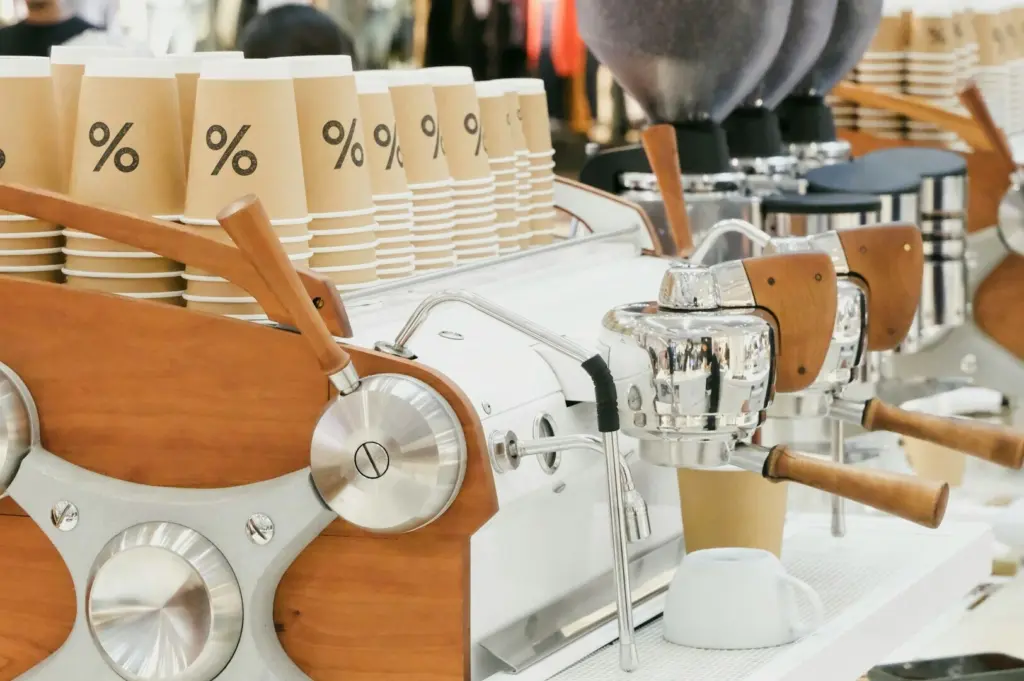
The air in the cafe is cool and still, a welcome contrast to the humid Singaporean afternoon. The quiet hum of the grinder, the gentle clink of ceramic on wood, and the focused movements of the baristas behind the counter create a calm rhythm. You’ve just ordered a pour-over, and now you’re watching the careful, circular motion as hot water meets freshly ground coffee beans, releasing a sweet, almost floral aroma. Each cup here is brewed with precision to highlight the unique character of the beans. The menu describes notes of “jasmine, peach, and black tea.” The Specialty Coffee Flavor Wheel boasts over 100 unique descriptors, so specialty coffee offers a wide spectrum of notes—from floral and fruity to sweet and complex.
Whether you’re visiting or just hunting for a great local coffee place, the variety here is remarkable. For top recommendations, visit our guides on Best Cafe Singapore.
The Rise of Specialty Coffee Shops in Singapore
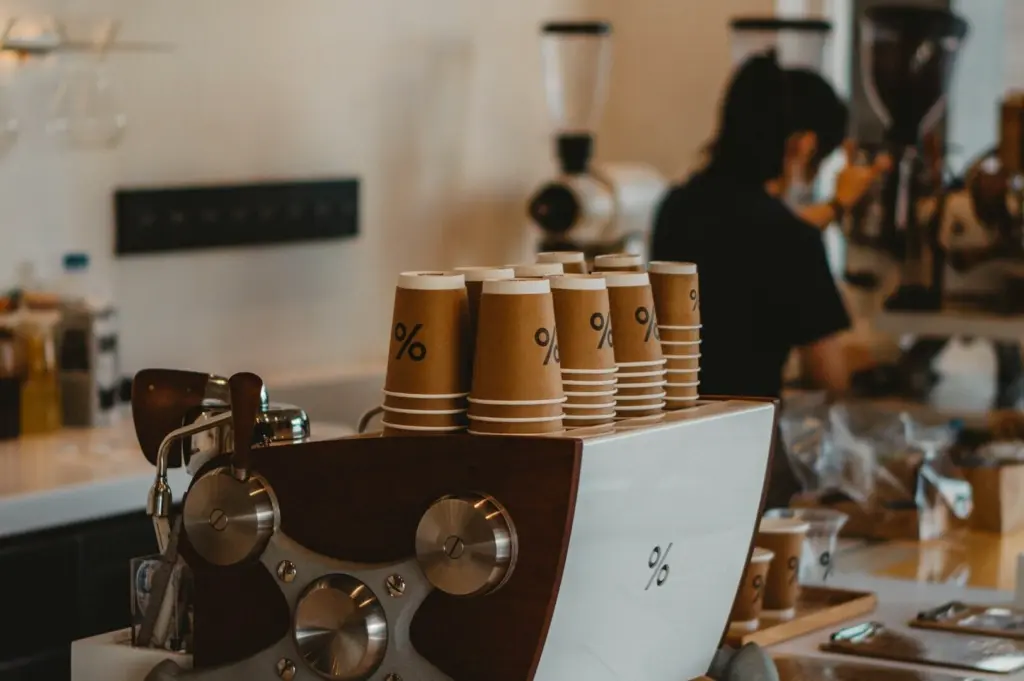
Singapore has blossomed into a vibrant hub for specialty coffee shops, each bringing its own flair to sourcing, roasting, and brewing. From cozy, tucked-away spots to lively cafes near hotspots like Clarke Quay, the city’s coffee scene is impressively diverse. Asia’s specialty coffee market is booming, with consumption and value projected to surge significantly from 2016 to 2020. This reflects a cultural shift—from a traditional tea-drinking society to a lifestyle-oriented coffee culture, especially in cities across Korea, China, India, and Japan, fueled by social media and evolving tastes.
Whether you’re visiting or just hunting for a great local coffee place, the variety here is remarkable. While Australia has long been a heavyweight in the global specialty coffee scene, thanks to its early adoption and artisan culture, Singapore is quickly carving out its own reputation for quality and innovation. Cafes like Nylon Coffee Roasters and Flip Coffee Roasters have earned much love and pride within the community for their passion and commitment to excellence.
Where the Term “Specialty Coffee” Comes From
The term isn’t new. It was first coined in 1974 by Erna Knutsen in Tea & Coffee Trade Journal. She used it to describe beans with unique flavor profiles grown in special microclimates. Her insight was groundbreaking: coffee, like fine wine, has a “terroir” — a distinct and valuable character shaped by its origin.
Why the Score Alone Doesn’t Tell the Whole Story
That 80-point threshold? It’s a crucial starting point, but just that—a start. It guarantees a baseline quality in the raw beans but doesn’t capture the full essence of what specialty coffee means. The score on a bag of green beans promises potential, not a guaranteed delicious cup. Unlocking that potential demands care and intention throughout the entire chain. A score can’t tell you about the growers nurturing the beans or the roasters coaxing out their flavors. True specialty coffee isn’t a label; it’s a system.
How Flip Coffee Roasters and Nylon Coffee Roasters Set the Standard
Among Singapore’s many coffee shops, Flip Coffee Roasters and Nylon Coffee Roasters stand out for their dedication to quality and sustainability. Both roasters visit farms annually to build strong relationships with growers across various countries, ensuring fair prices and ethical sourcing. Specialty coffee is born from careful cultivation and sustainable farming, with a focus on minimizing environmental impact while producing top-tier beans. Their passion for great coffee shines through every cup.
Flip Coffee Roasters, located close to the city’s edge, offers a curated selection of beans that showcase unique regional profiles. They emphasize their in-house roasting to guarantee freshness and quality. Nylon Coffee Roasters, tucked inside a small housing estate near Chinatown, is renowned for their house-roasted single-origin beans and has built a reputation for consistency and excellence.
Specialty Coffee Is a Chain, Not a Label
Think of specialty coffee not as a product but as a chain of custody—each link devoted to preserving and enhancing quality. It’s a philosophy of care stretching from the seed in the soil to the final sip in your cup. When one link falters, the whole chain weakens.
Farming & Sourcing: It starts at the farm. Specialty coffee grows at high altitudes, producing denser beans with complex flavors. Coffee sourcing focuses on traceability and relationships. Roasters often forge direct trade partnerships, paying farmers fair, sustainable prices well above commodity rates. Beans are carefully selected by lot to maintain quality and consistency.
Roasting Philosophy: Once green beans arrive at the roastery, the roaster’s role isn’t to add flavor but to unlock what’s already there. Coffee roasting is a delicate art. Specialty coffee usually gets light to medium roasts to preserve origin flavors, and should be fresh—ideally consumed within 2–4 weeks of roasting, with a clear roast date. This attention ensures the brewer receives the beans at their peak.
Brewing Standards: The final link is the barista. In specialty coffee, baristas are skilled professionals, not just operators. They master extraction, grind size, and water temperature. Whether dialing in an espresso or preparing a meticulous pour-over, every step is intentional, aiming to showcase the coffee at its best. Watching a barista pull a perfect shot is part of the experience, and many have heard the care and precision that goes into each cup.
What Great Coffee Looks Like in a Specialty Coffee Shop
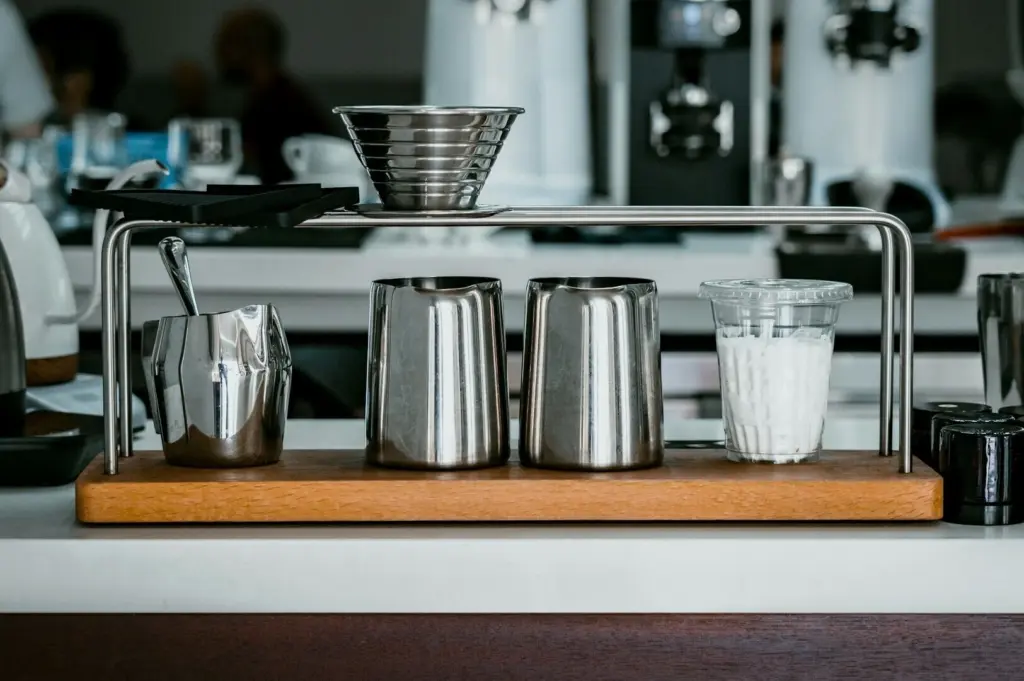
How does this philosophy translate into the cafe experience? It’s less about aesthetics and more about intention. When you step into a top specialty coffee shop in Singapore, subtle details create a space to relax or work, with thoughtful ambiance and smooth operations.
Menus are clear and informative. Instead of just “latte” or “cappuccino,” you’ll find espresso blends’ origins listed. Filter coffee menus often feature multiple single-origin beans, complete with farm names, tasting notes, and processing methods. Harvest years are noted, reflecting how specialty coffee’s flavor can shift year to year due to environmental changes. As of late 2024, many cafes are adopting the SCA Coffee Value Assessment (CVA), blending scientific sensory analysis with subjective impressions for a fuller evaluation. This isn’t pretentiousness—it’s transparency.
Specialty Coffee and Brunch: A Perfect Pairing
Many specialty coffee shops in Singapore also serve food, often brunch menus crafted to complement the coffee’s flavor profiles. Whether sweet pastries or savory dishes, the food carries the same pride and passion as the coffee. Cafes like Common Man Coffee Roasters have multiple locations and are popular weekend brunch spots where you might wait a bit for a table, especially on Saturdays.
What Specialty Coffee Is Not
Let’s clear up some misconceptions:
It’s not about elaborate latte art. Beautiful as it is, latte art showcases milk-steaming skill, not coffee quality.
It’s not about expensive, complicated gear. You can brew exceptional specialty coffee with a simple pour-over cone.
It’s not about intimidating jargon or snobbery. The goal is to make coffee more enjoyable, not exclusive.
It’s not just about tasting notes. Those notes guide you but don’t test you. Your personal experience matters most.
Some enthusiasts research specialty coffee shops before visiting to deepen their experience, but you don’t have to be an expert to enjoy it.
Planning Your Visit to Specialty Coffee Shops in Singapore
If you’re visiting Singapore or exploring its coffee scene, there’s plenty to discover. Many specialty coffee shops have apps or websites where you can check menus, learn about events, order ahead, or buy beans to take home—making planning easy. Spots like Apartment Coffee near Bugis, Pocket by Flip Coffee Roasters close to the Botanical Gardens (known for interesting, rare coffee options), and Pinhole Coffee Bar near Esplanade (serving great coffee from quality beans worldwide) each offer a unique experience.
Whether you’re a seasoned enthusiast or just starting, Singapore’s specialty coffee community is welcoming and passionate. Locals might share recommendations, and baristas are often eager to share their knowledge.
A World of Coffee Connections
Specialty coffee has truly given the world a new way to appreciate this beloved beverage. It connects growers, roasters, baristas, and drinkers across continents. Each cup is a story of dedication and care, a reflection of the places and people behind it. By supporting specialty coffee shops, you’re joining a global movement that values quality, sustainability, and authentic human connection.
Conclusion: Why the Meaning Still Matters
So, what is specialty coffee? It’s not just a score, a brewing method, or flavor profile. It’s a commitment—a philosophy of intentionality connecting you, the drinker, to the roaster, all the way back to the farmer who nurtured the crop. It treats coffee as an agricultural product deserving the same care and respect as fine wine or craft chocolate.
Next time you’re in a cafe, no need to be a technical expert. Just bring a little curiosity. Notice how the coffee’s made. Ask where the beans come from. Take a moment to truly taste your cup. Supporting cafes that care about these details means you’re not just buying better coffee—you’re joining a global movement valuing quality, sustainability, and human connection. And that’s a meaning worth savoring.