

Walk into any café, take a deep breath, and you are instantly hit with the warm, intoxicating aroma of roasted coffee. For many of us, that first sip of the day is a daily ritual we cannot live without. But have you ever stopped to wonder exactly what kind of beans are swirling around in your cup? When it comes to the global coffee industry, two dominant giants rule the market: Arabica and Robusta. Coffee, including both Arabica and Robusta, belongs to the Rubiaceae family, a diverse botanical group that includes numerous genera and species.
These two main varieties—Arabica (Coffea arabica) and Robusta (Coffea canephora), also known as Coffea robusta—are the primary species of coffee cultivated globally, accounting for the vast majority of the world’s coffee production. Each variety of coffee has fundamental differences in taste, chemistry, and growing conditions. While they might look similar when roasted and sitting in a hopper, the journey they take from seed to cup—and the flavors they produce—could not be more different. Arabica coffee is often celebrated for its delicate, nuanced flavors, while Robusta coffee is known for packing a serious, high-caffeine punch.
But how do Arabica and Robusta compare when it comes to taste, caffeine content, and versatility? Understanding the difference between Arabica and Robusta is the first step to truly mastering your morning brew.
The Key Differences Between Arabica and Robusta Coffee
When comparing Arabica vs Robusta, it helps to look at them from the ground up. These coffee beans come from two entirely different species of coffee plants: Coffea arabica and Coffea canephora (commonly called robusta due to its robust nature and resilience).
Growing Conditions and Geography
The differences begin right at the farm level. Arabica coffee is a notoriously fragile plant that is widely cultivated in tropical climates at high altitudes, typically between 1,200 and 1,500 meters (3,900 and 4,900 feet) above sea level. These regions provide well-drained soils and consistent rainfall of 1.2 to 1.8 meters (47 to 71 inches) annually, which are essential for healthy growth. This high-altitude, tropical environment forces the coffee cherries to mature slowly, concentrating the sugars and creating a smooth, complex, and sweet flavor profile packed with fruity and floral notes. Coffea arabica takes approximately seven years to mature fully.
On the other hand, Robusta coffee is incredibly resilient. As the name suggests, it is a robust plant that grows easily at much lower altitudes and in warmer, harsher climates. It is highly resistant to pests and diseases, largely because it produces significantly more caffeine, which acts as a natural pesticide for the plant. Coffea canephora (Robusta) typically matures faster, allowing for quicker harvest cycles. Because it grows faster and in tougher conditions, the resulting Robusta beans yield a bold, earthy, and decidedly more bitter taste.
Plant Height and Bean Shape
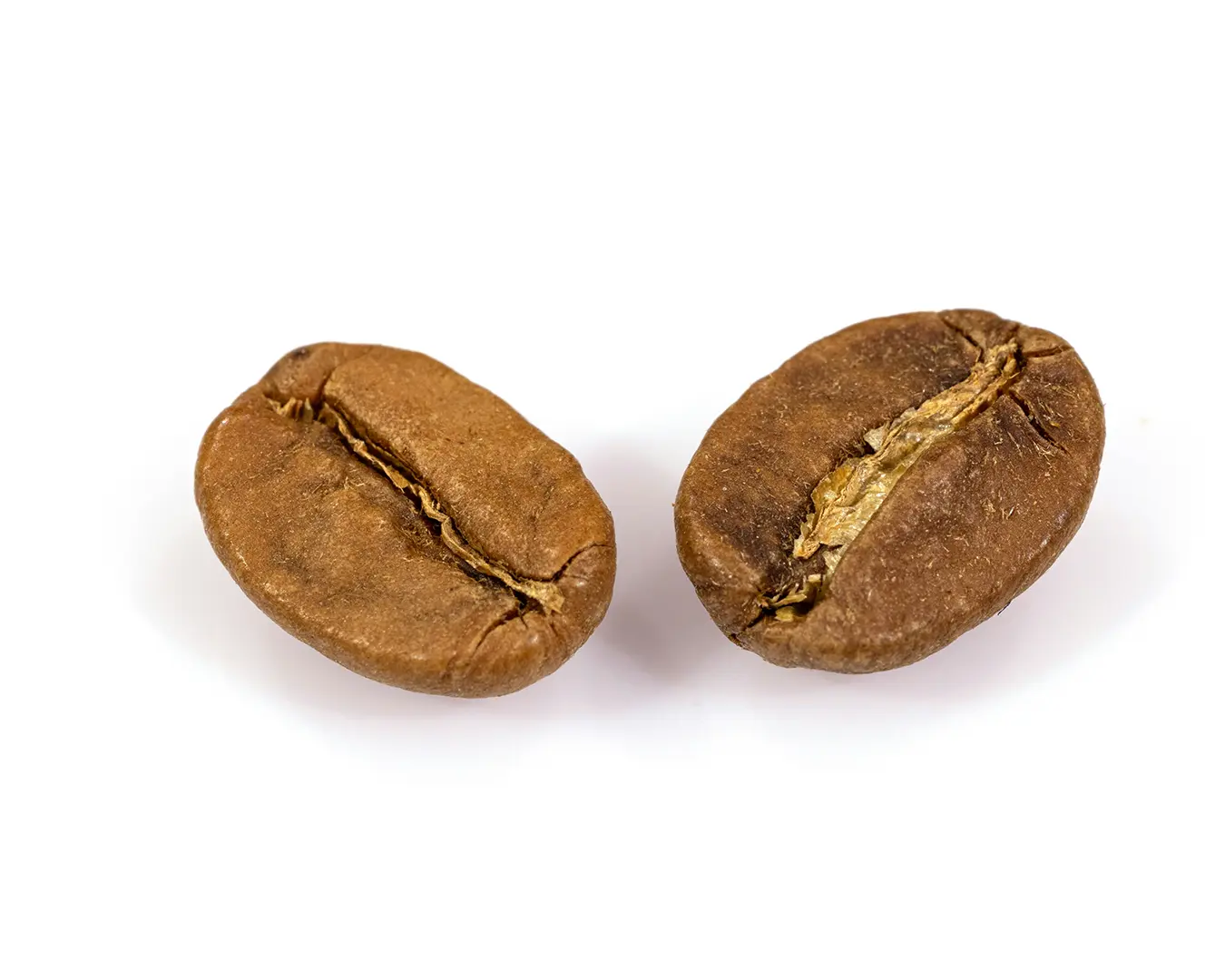
Another notable difference is the plant’s height and the shape of the beans. Arabica plants tend to be shorter, usually between 2.5 to 4.5 meters tall, and produce oval shaped beans with a curved center crease. In contrast, Robusta plants are tall, often growing up to 6 meters, and yield rounder beans with a straight center crease. These physical traits offer a clear visual hint to distinguish between the two species even before tasting.
Arabica Coffee: What Makes it So Popular?
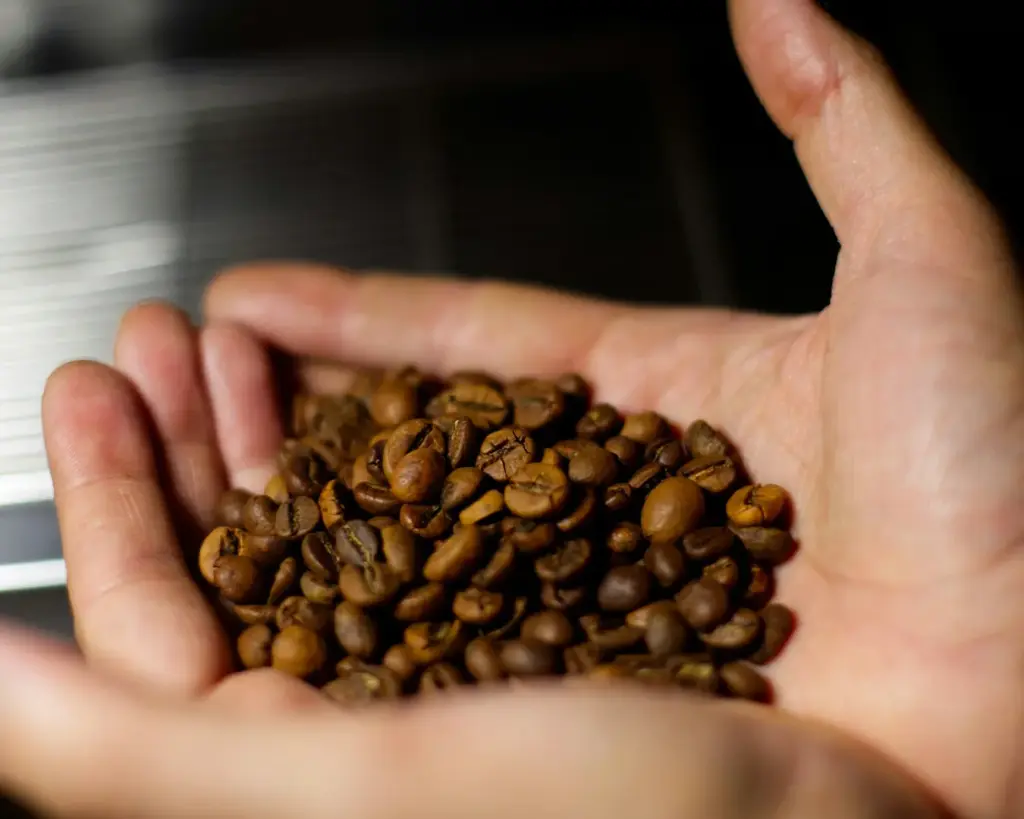
If you frequently visit specialty coffee shops, you are almost certainly drinking Arabica coffee. Making up roughly 60% to 70% of the world’s coffee production, Arabica is the undisputed darling of coffee aficionados everywhere. Arabica coffee is considered superior in taste due to its smoother, sweeter flavor profile, which is highly prized in the coffee industry.
What makes it so beloved is its incredibly smooth, mellow taste. When you sip a high-quality Arabica brew, you are not just tasting “coffee.” You might detect vibrant, natural sweetness, a crisp, wine-like acidity, and distinct fruity or floral undertones. Arabica beans are known for their smoother, sweeter flavour, with a higher sugar content than Robusta, which contributes to their chocolate, fruit, or berry notes. Arabica beans also tend to have a higher acidity than Robusta beans, which adds a winey tone and overall flavor complexity. A light roast Arabica from Ethiopia might dance across your palate with notes of jasmine and blueberry, while a medium roast from Colombia or Brazil will comfort you with rich flavors of milk chocolate and caramel.
Because Arabica beans are grown at higher altitudes with plenty of shade and rainfall, the slow maturation process allows these complex sugars and acids to fully develop inside the bean. This is exactly why Arabica is the foundation of the specialty coffee movement—its cup quality is highly valued in the industry. For coffee enthusiasts who love to brew using manual methods like a pour-over or a French press—where flavor clarity is the main goal—Arabica is always the bean of choice.
There are many varieties of Arabica, and the different varieties of Arabica coffee—such as Typica, Bourbon, and others—offer unique characteristics and flavors, further enhancing Arabica’s reputation among coffee lovers.
For a great place to enjoy expertly brewed Arabica coffee, check out Arabica Cafe Singapore. Their focus on quality Arabica beans makes them a favorite among coffee lovers. Read the full review here to learn more.
Robusta Coffee: Bold and Full-Bodied
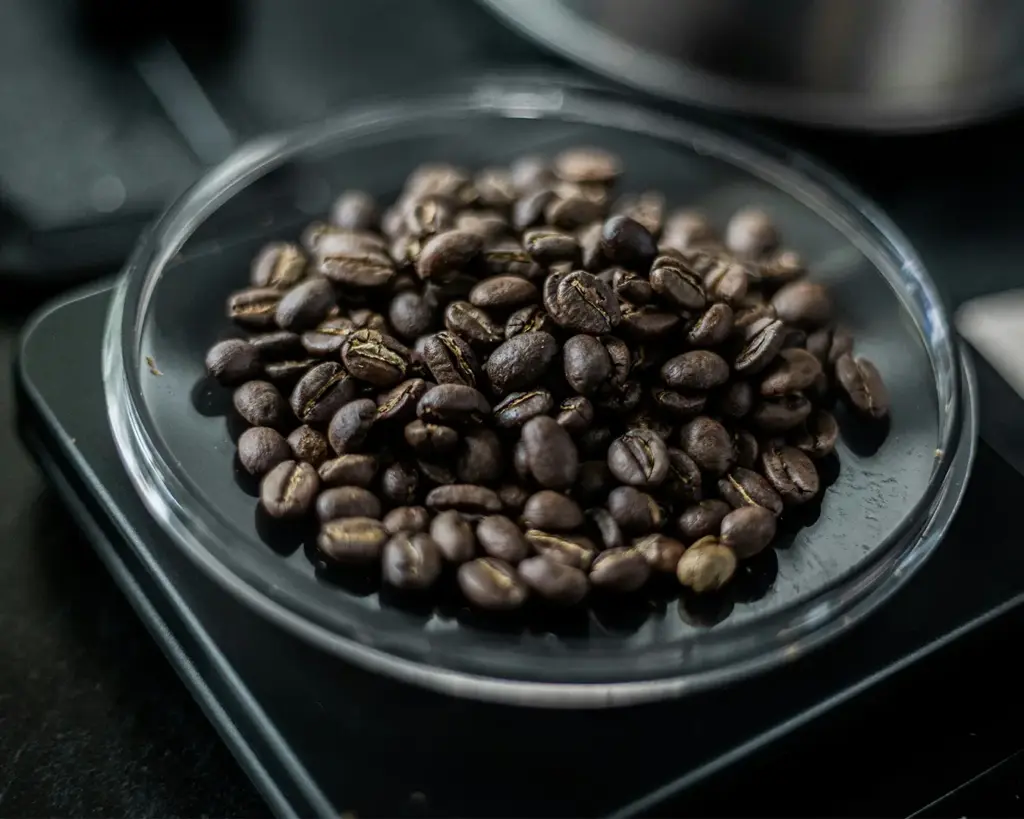
While Arabica gets most of the spotlight, Robusta coffee—botanically known as Coffea canephora and called Robusta due to its robust nature—plays a massive, essential role in the global coffee landscape. Making up the remaining 30% to 40% of global production, Robusta is the powerhouse of the coffee world.
If you favor a coffee taste profile that is strong, dark, and intense, you have likely enjoyed Robusta. The flavor of Robusta beans is often described as earthy, woody, and nutty, with a much more pronounced bitter flavor. Robusta plants are naturally more resilient, showing strong resistance to pests and disease, including fungus such as coffee leaf rust (Hemileia vastatrix), which can devastate other coffee crops. Because it lacks the natural sugars and lipid fats found in Arabica, Robusta does not offer those bright, fruity notes. Instead, it provides a heavy, full-bodied brew that commands attention. Robusta coffee beans are typically priced at about half the price of Arabica coffee beans on the commodity market, making them generally cheaper to produce and purchase. As a result, Robusta is often used as a cost-effective filler in mass-market or instant coffee blends, particularly in lower-quality products, while high-end Robusta is less commonly available. However, high-quality ‘Fine Robusta’ is becoming more appreciated for its intense, full-bodied properties.
Comparing Caffeine Content and Taste Profiles
When we talk about the difference between Arabica and Robusta, we have to talk about caffeine. Arabica beans have less caffeine than Robusta beans. In terms of caffeine content, Robusta coffee contains nearly double the amount of caffeine found in Arabica coffee. An average Arabica bean contains about 1.2% to 1.5% caffeine, while a Robusta bean boasts a staggering 2.2% to 2.7%. Arabica coffee beans typically contain about 12 mg of caffeine per gram of dry mass, while a mutant strain of Arabica can contain as little as 0.76 mg of caffeine per gram.
This massive difference in caffeine directly affects the overall flavour of the drink. Caffeine itself is incredibly bitter. Because Robusta has twice the caffeine, it inherently carries twice the bitterness. This is why Arabica tastes so much sweeter and softer by comparison.
However, this does not mean Robusta’s bitterness is a bad thing. In fact, many roasters use this to their advantage. A common practice in Italy and across Europe is to create espresso blends that mix both coffee varieties. By blending 80% Arabica with 20% Robusta, roasters can achieve a perfect balance. The Arabica provides a smooth, complex flavour and beautiful coffee aroma, while the Robusta adds a necessary punch of strength, a heavier body, and an unmatched crema.
The Price Difference: Why Arabica Costs More Than Robusta

If you have ever purchased a bag of single-origin Arabica coffee, you have likely noticed it comes with a premium price tag. There is a very practical reason for this.
Arabica coffee beans are cultivated with immense attention, care, and specific environmental conditions. The cultivation process is incredibly labor-intensive. These plants grow on steep, high-altitude mountain faces, where large farming machinery cannot reach them. The coffee berries, also known as fruits or cherries, must be carefully hand-picked by skilled workers who know exactly when the berries ripen and are ready for harvest. Add in the plant’s susceptibility to weather changes and diseases, and the cost of producing Arabica rises significantly.
Robusta coffee, on the other hand, is a farmer’s dream in terms of durability. It grows well on flat land at low altitudes, meaning it can be harvested quickly using machines. Its high caffeine and chlorogenic acids content make it naturally resistant to insects and diseases, leading to higher crop yields with less manual intervention. Because it is easier to cultivate, it is significantly more affordable, with Robusta green beans typically priced at about half the price of Arabica beans, making it the backbone of commercial, mass-market coffee.
Conclusion: Which Coffee Should You Choose?
After exploring the fascinating world of Arabica vs Robusta, you might be wondering: which coffee should you choose? The answer entirely depends on your taste preference and how you like to enjoy your coffee.
If you love exploring complex coffee flavor profiles, enjoy brewing with a pour-over, and prefer a smooth, fruity, and naturally sweet cup, Arabica coffee is absolutely your best choice. It offers an elegant, high-quality experience that rewards slow sipping and appreciation.
On the flip side, if you prefer bold, bitter coffee with a stronger caffeine hit, Robusta coffee (or an Arabica-Robusta blend) might be your perfect match. It provides that classic, heavy-hitting coffee punch that wakes you up and gets you moving.
Ultimately, both beans offer distinct, wonderful benefits for coffee lovers. Whether you lean toward the refined elegance of Arabica or the unapologetic strength of Robusta, understanding the beans in your cup helps you appreciate every single sip just a little bit more.
For coffee lovers looking to explore more, check out this curated list of the best cafes and bakery spots in Singapore.
FAQ Section:
What’s the difference between Arabica vs Robusta in taste?
The main taste difference lies in sweetness and complexity. Arabica coffee is generally sweeter, smoother, and features complex flavor notes like fruit, chocolate, and florals. Robusta coffee has a much bolder, earthier, and more bitter taste, often described as nutty or woody, due to its lack of natural sugars.
Which is stronger, Arabica or Robusta?
If by “stronger” you mean caffeine content, Robusta is the clear winner. Robusta beans contain nearly double the caffeine of Arabica beans. If you mean flavor strength, Robusta also provides a harsher, more intense, and heavier-bodied flavor profile compared to the delicate nature of Arabica.
Why is Arabica coffee more expensive?
Arabica coffee is more expensive because it is much harder to grow. It requires high altitudes, cool climates, and specific rainfall patterns. Furthermore, because Arabica plants often grow on steep, mountainous terrain, the coffee cherries must be laboriously hand-picked. This challenging cultivation process drives up the final price of the beans.