
The first time I tried to replicate my favorite cafe pour-over at home, using some of the finest coffee beans in Singapore, the result was… humbling. It tasted less like the vibrant, blueberry-forward Ethiopian brew I adored and more like hot, brown sadness. I remember standing in my kitchen in Tiong Bahru, staring at a bag of expensive green coffee beans and wondering where I’d gone wrong.
I know I’m not alone in this. There is a specific kind of intimidation that comes with home coffee roasting and brewing. We watch baristas in our favorite Singapore cafes move with such fluid precision—weighing doses to the tenth of a gram, pouring water in hypnotic circles—and we think, I could never do that.
But here is the secret that the coffee world often forgets to tell you: brewing cafe-quality coffee at home isn’t about magic. It’s about variables in the roasting process and brewing methods. Once you learn to control them, that morning cup becomes less of a gamble and more of a ritual you can’t live without.
Coffee Beans: Common Questions & Concerns About Freshly Roasted Beans
When I talk to friends who want to start home roasting or brewing, the hesitation is almost always the same. “I don’t have the counter space for an espresso machine,” or “I don’t understand grind sizes,” or the classic, “What if I ruin good coffee beans?”
These are valid worries. The specialty coffee world loves its jargon. We talk about “extraction yields” and “anaerobic fermentation” as if everyone took a chemistry class before breakfast. But let’s strip that away.
If you’re curious about what truly makes coffee “specialty,” check out our in-depth article, What Does Specialty Coffee Really Mean? It breaks down the origins, quality standards, and unique characteristics that set specialty coffee apart from the rest—helping you appreciate every sip even more.
The most common mistake isn’t a lack of skill; it’s a lack of consistency in handling green beans, roast profiles, and brewing parameters. You might use a tablespoon one day and a scoop the next. You might use boiling water on Monday and lukewarm water on Tuesday. When you remove the guesswork, the fear evaporates.
Coffee Roaster: The Essential Gear for Home Coffee Roasting
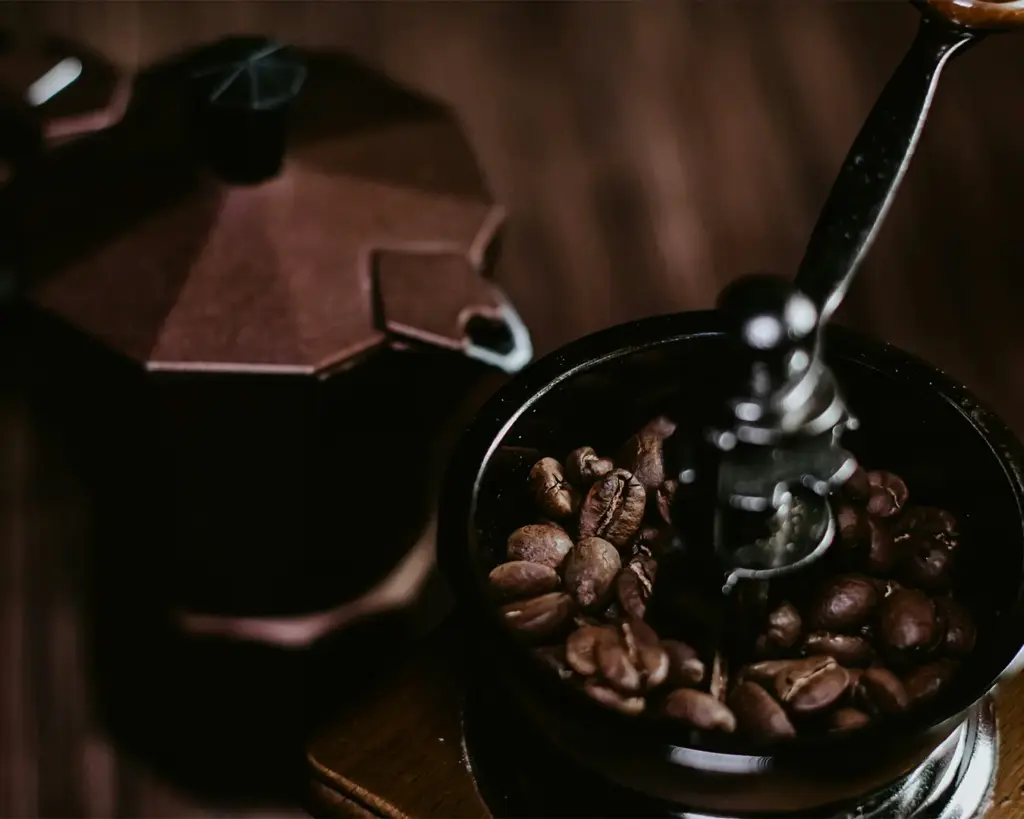
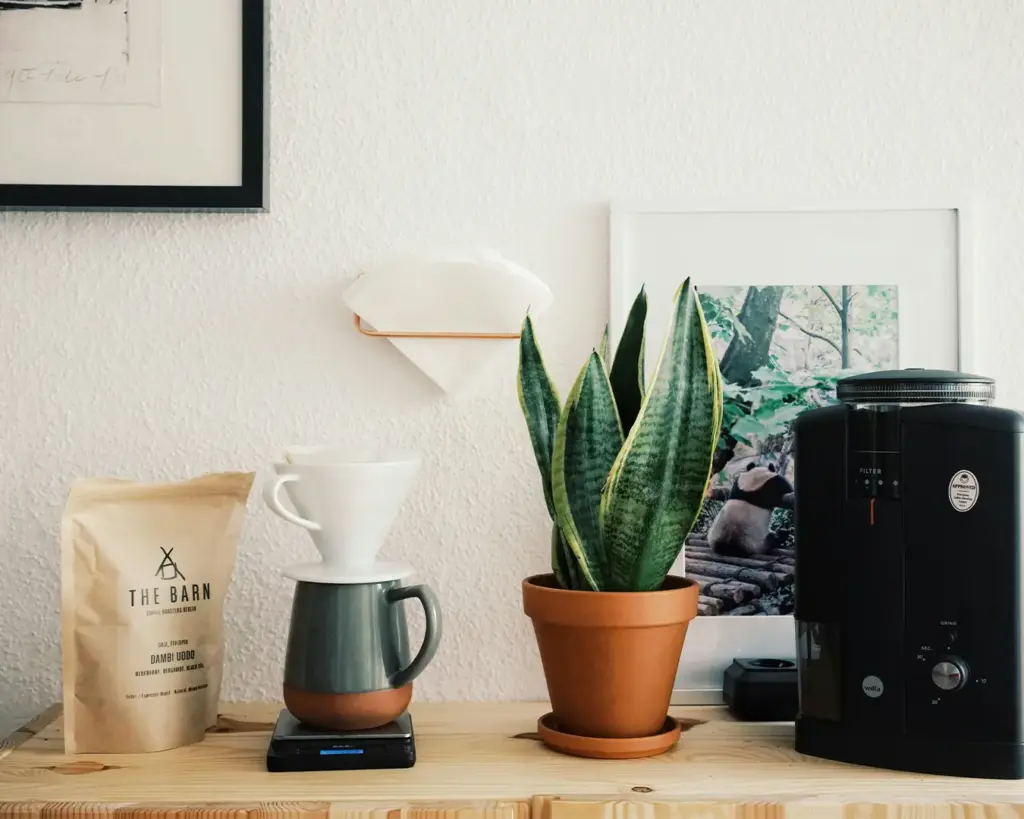
Let’s get tactical. You don’t need a $5,000 coffee roaster to make incredible coffee. In fact, for most home brewers in Singapore, I recommend starting with a manual method like a V60 or a French Press. It’s cheaper, takes up less space, and teaches you the fundamentals of the roasting process and flavour development.
The Gear You Actually Need for Home Roasting and Brewing
Here is your starter kit for home coffee roasting and brewing in Singapore:
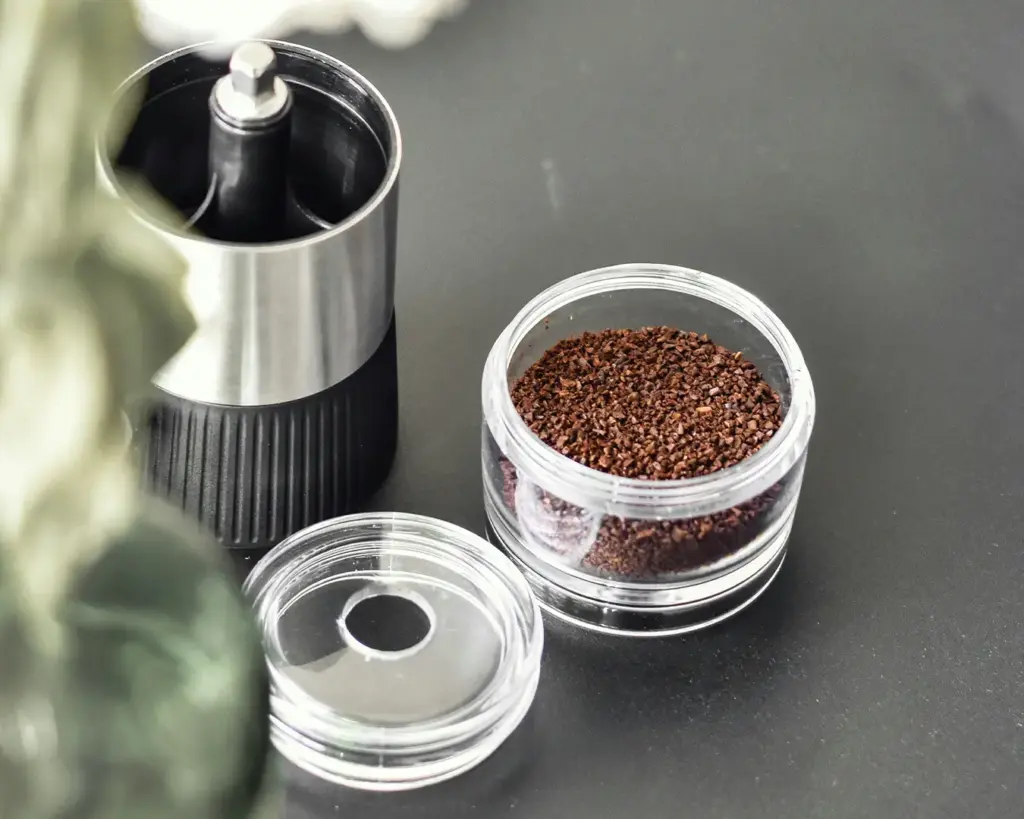
A Burr Grinder: This is non-negotiable. Blade grinders chop beans unevenly, leading to muddy, bitter coffee. A decent hand grinder (like a Timemore C2 or 1Zpresso) will cost you between SGD $60 and $150. It’s the single best investment you can make for a consistent brew.
A Digital Scale: Baking scales work, but a coffee scale with a timer is better. Precision is key to achieving the desired roast level and flavour profile. You can find reliable ones on Shopee or Lazada for around SGD $20–$40.
The Brewer: A plastic V60 dripper costs less than SGD $10. A French Press is around SGD $20. You don’t need to spend a fortune here.
Good Water: Singapore tap water is safe, but it has chlorine that can flatten coffee flavors. I recommend using a simple filtered pitcher for the best taste.
Coffee Roasting: Understanding the Roasting Process and Flavour Development
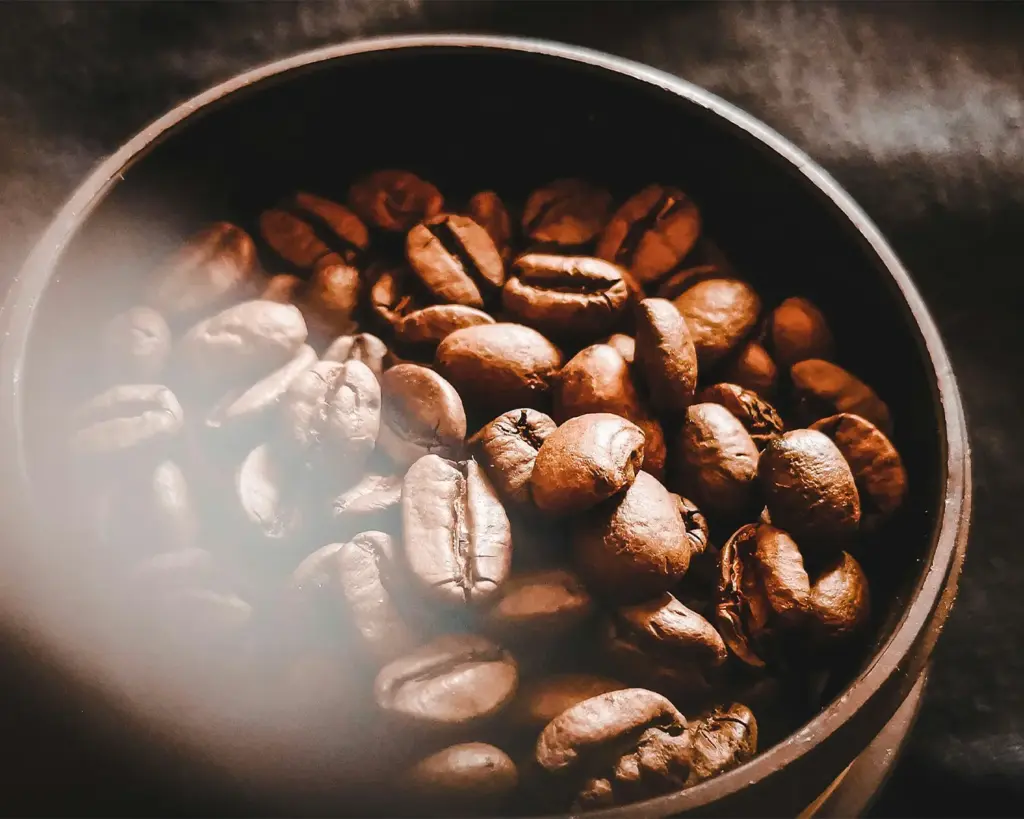
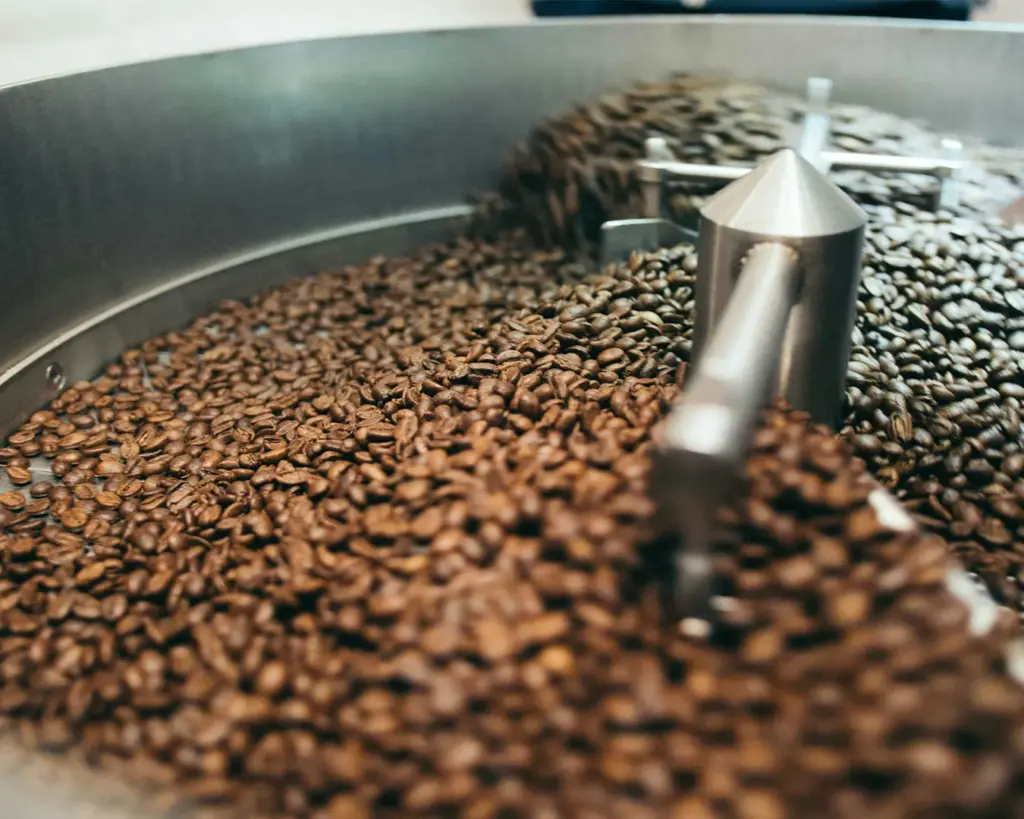
Coffee roasting is a chemical process induced by heat that transforms raw green coffee beans into roasted coffee beans with complex flavours. The roasting process involves different stages, including the first few minutes when the beans start to change color from green to light brown, the first crack—an audible crack signaling sugars are caramelizing—and the second crack, which indicates darker roasts.
Each stage in the roasting process affects the flavour development and the final taste of your cup. Cooling the beans quickly after roasting is crucial to prevent them from continuing to cook and developing undesirable flavours. Proper storage in coffee bags or glass jars away from direct sunlight also preserves freshness.
Own Coffee: Why Roasting Your Own Beans Matters
Brewing with your own coffee, especially freshly roasted coffee, gives you control over flavour profiles and freshness. Buying green coffee beans and roasting them at home allows you to experiment with roasting methods, batch size, and roast profiles to find what suits your taste best.
Many home roasting enthusiasts start with budget-friendly options like a popcorn popper or an air popper for air roasting small batches. These methods are accessible and provide insight into the roasting process, including the popcorn popping sounds that signal key stages like the first crack.
Air Roasting: A Popular Home Roasting Method
Air roasting uses hot air to roast coffee beans evenly and quickly. Air roasters are generally smaller and better for small batches, offering good air flow and control over roast progress. Devices like the Fresh Roast SR800 or the Gene Cafe provide features such as chaff collection, temperature control, and timers.
Air roasting is great for those starting their home roasting hobby because it allows good control over the roast profile and flavour development while being relatively budget friendly.
Home Coffee Roasting: Tips for Success
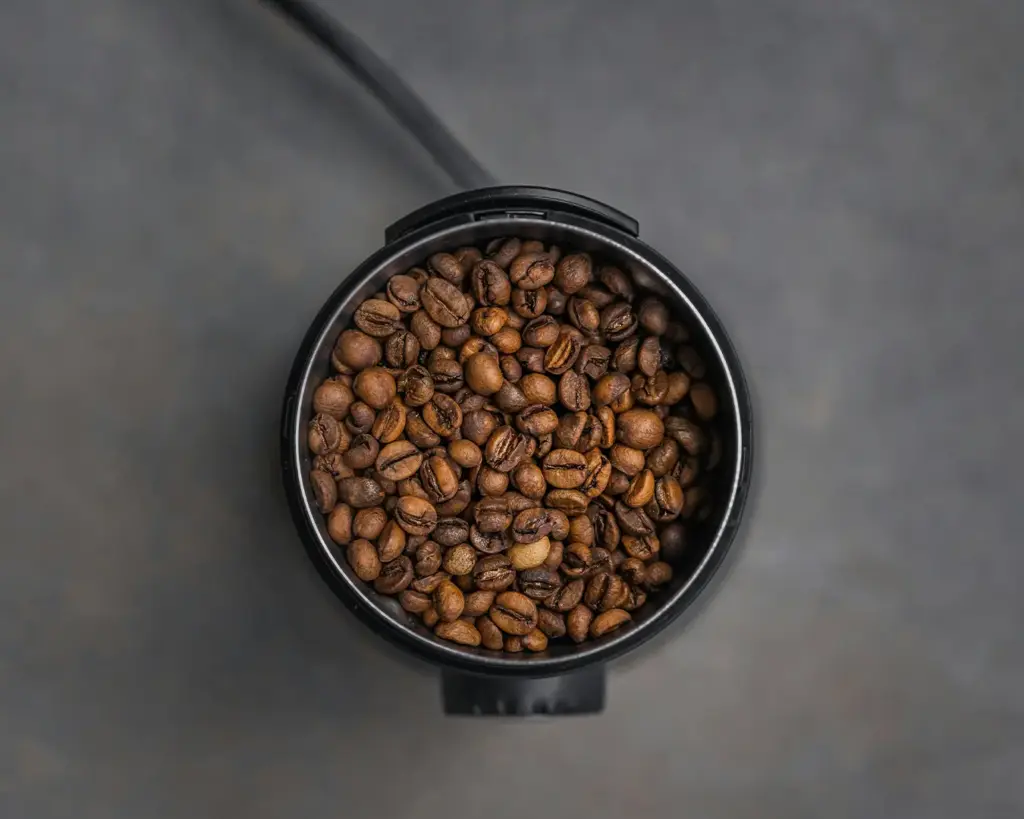
When home coffee roasting, it’s important to monitor the ambient temperature and adjust your heat source accordingly. Whether you use a drum roaster or an air roaster, maintaining even roasting ensures the bean surface develops uniformly, and the bean expands properly during the roast.
Pay attention to the batch size and drum speed or air flow settings to avoid uneven roasts. The roasting process involves complex chemical reactions, so understanding the different stages such as first crack and second crack helps you achieve your desired roast level, from light roast to darker roasts.
Popcorn Popper: A Budget-Friendly Home Roaster
A popcorn popper can be a real pain but is a budget-friendly way to start roasting your own beans. It uses hot air to roast green coffee beans and provides a hands-on introduction to the roasting process. Though it requires attention and care, it’s a great way to experiment with small batches and learn about roast progress and flavour profiles.
Freshly Roasted: Storing and Brewing Your Roasted Beans
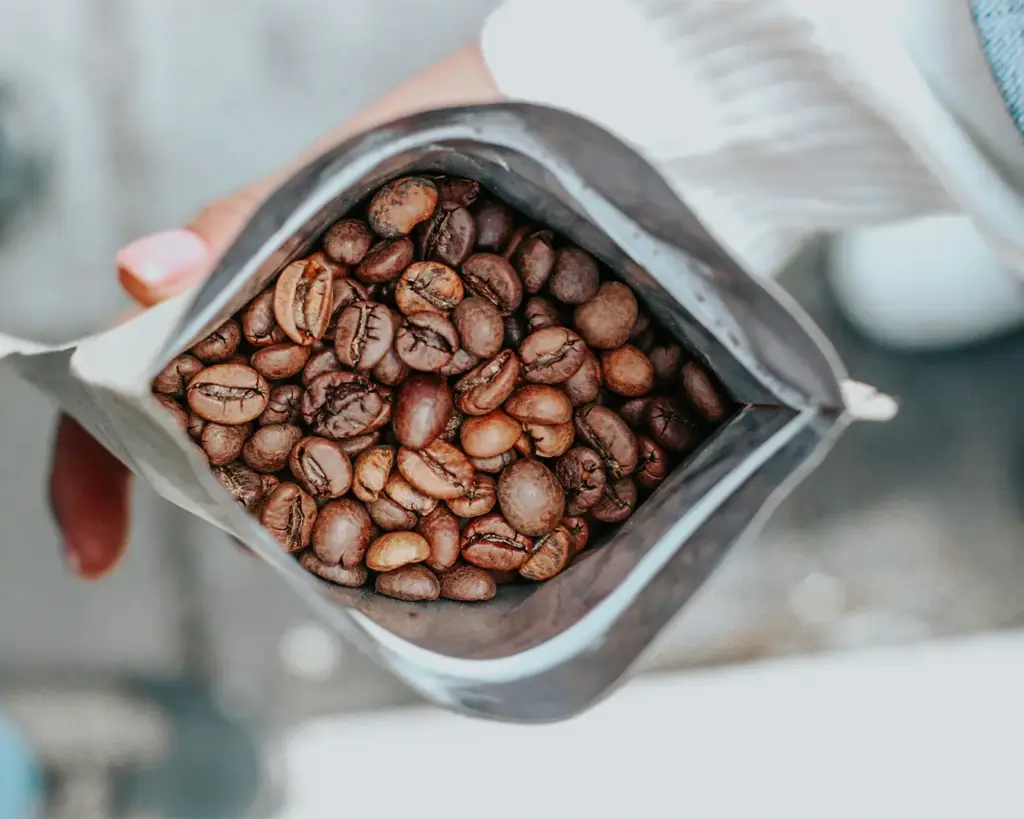
Once your roasted beans have cooled, store them in airtight coffee bags or glass jars away from direct sunlight to maintain freshness. Allow your roasted beans to degas for at least 12 hours before grinding to ensure the best flavour extraction.
Using freshly roasted coffee beans improves the taste and aroma of your brew, giving you a quality coffee experience at home.
Good Coffee: Brewing Consistency and Enjoyment
Achieving a consistent brew involves using freshly roasted coffee, the right grind size, correct water temperature, and precise measurements. Whether you are brewing a light roast pour-over or a darker roast espresso, controlling these variables ensures you get the best taste from your beans.
Drum Roaster: Advanced Home Roasting Equipment
For those looking to take their home roasting hobby further, a drum roaster offers more control over the roasting process, including drum speed and heat source adjustments. Drum roasters are larger and can roast more coffee at once, providing even roast results and detailed roast profiles.
Gene Cafe: A Popular Home Roaster Choice
The Gene Cafe is a hybrid air/drum roaster popular among home roasters for its consistent roast profiles and user-friendly design. It offers good airflow, temperature control, and batch size flexibility, making it a great investment for those serious about home coffee roasting.
Home Roaster: Choosing the Right Equipment for You
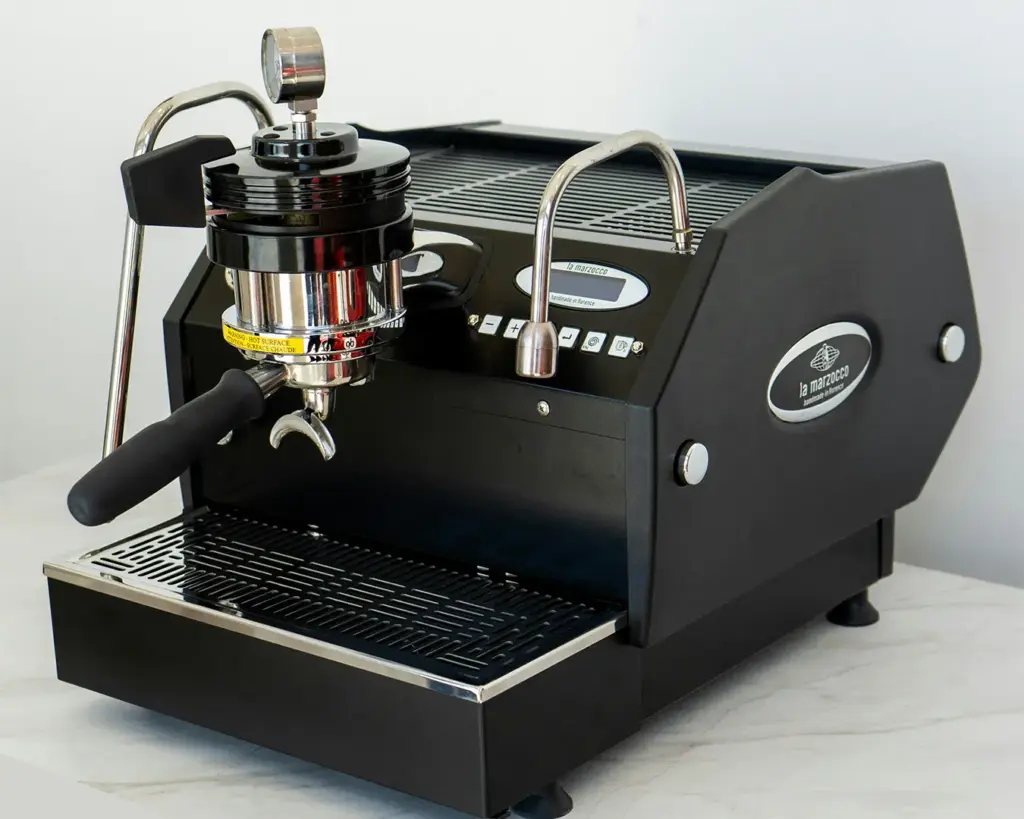
Whether you choose an air roaster, drum roaster, or a popcorn popper for your home roasting, consider your batch size needs, budget, and desired roast control. Each roasting method offers unique benefits and challenges, but all lead to the rewarding experience of brewing your own coffee.
Hot Air: The Science Behind Roasting
Hot air roasting uses controlled airflow and heat to roast green beans evenly. Managing air flow and heat source carefully during the roasting process influences flavour development and ensures the beans roast evenly without scorching. Understanding how hot air interacts with the beans helps home roasters perfect their roast profiles.
Conclusion
Mastering the art of roasting your own coffee beans in Singapore opens up a world of flavor, freshness, and personal satisfaction. By taking control of your coffee roasting journey, you not only unlock the unique characteristics of your chosen green beans and blends but also enjoy a consistently delicious cup tailored to your taste. So, embrace the adventure of home coffee roasting and savor every sip of your freshly roasted coffee at home.
This guide aims to empower you to start roasting your own coffee beans in Singapore, enjoy freshly roasted coffee at home, and appreciate the art and science behind every cup. With the right coffee roaster and knowledge of roasting methods, you can unlock the full potential of your coffee blends and single origins, creating a consistent brew that delights your taste buds every time.