
If you’ve ever wondered how coffee roasters usually decide which coffee beans to buy, or how a roastery tends to determine whether a coffee deserves the label excellent specialty coffee, the answer often lies in a professional tasting process called coffee cupping.
Across the specialty coffee world, from San Francisco to Singapore, coffee professionals generally rely on cupping as what many consider the most reliable method to evaluate quality. This standardized tasting process tends to remove the variables of brewing equipment and focuses more purely on the intrinsic character of the beans.
Whether it’s single origin beans, experimental coffee blends, or newly roasted batches, cupping often allows roasters and baristas to evaluate the aroma, taste, sweetness, body, and bright flavors of coffee with what many find to be remarkable precision.
For many specialty coffee shops and coffee roasters, cupping tends to be part of their daily workflow. The coffee you drink in a cafe, whether it’s an espresso, filter brew, or pour-over, has likely passed through this careful evaluation process at some point.
Coffee Cupping
At its heart, coffee cupping is what most coffee professionals use as their universal method to taste and evaluate coffee.
Rather than using a specific brewing method like espresso machines or drip brewers, cupping uses what’s essentially a simple immersion technique. Ground coffee beans are placed into a cup or glass, hot water is poured over them, and the coffee is allowed to steep.
Because every sample generally follows the same method, cupping tends to remove external variables and allows tasters to focus mainly on the true flavours of the beans.
This technique is commonly used by:
Coffee buyers evaluating supply from farms
Roasters selecting single origin beans
Baristas learning flavor characteristics
Coffee companies managing their supply chain
For many coffee professionals, cupping is often considered the most honest way to evaluate coffee quality.
Specialty Coffee
In the specialty coffee industry, cupping typically determines whether a coffee qualifies as specialty grade.
The Specialty Coffee Association scoring system usually evaluates beans on a 100-point scale, measuring attributes such as:
Aroma
Flavor
Sweetness
Acidity
Body
Aftertaste
Balance
Coffees scoring 80 points or higher are generally considered specialty coffee, meaning they tend to demonstrate clean flavors, strong sweetness, and distinctive characteristics.
High-quality specialty coffee beans often reveal tasting notes like chocolate, berries, citrus, honey, or floral aromas.
These bright flavors and complex notes are usually what differentiate excellent coffee from commercial-grade beans.
Coffee Shops
Many modern coffee shops often use cupping sessions to train staff and maintain quality.
In Singapore’s thriving café culture, cupping sessions are commonly held at leading coffee roasters and cafés, where baristas tend to gather to compare coffees and refine their palates.
These cupping tables sometimes become informal social spaces, where baristas often discuss new roasting profiles, brewing experiments, and tasting discoveries.
For customers, this usually means the good coffee served at specialty cafes has already gone through multiple tasting sessions before it ever reaches the menu.
Step by Step Guide: The Coffee Cupping Process
A typical cupping session tends to follow a structured routine. Here’s a simplified step by step guide that professional coffee roasters generally use.
Grinding the Beans
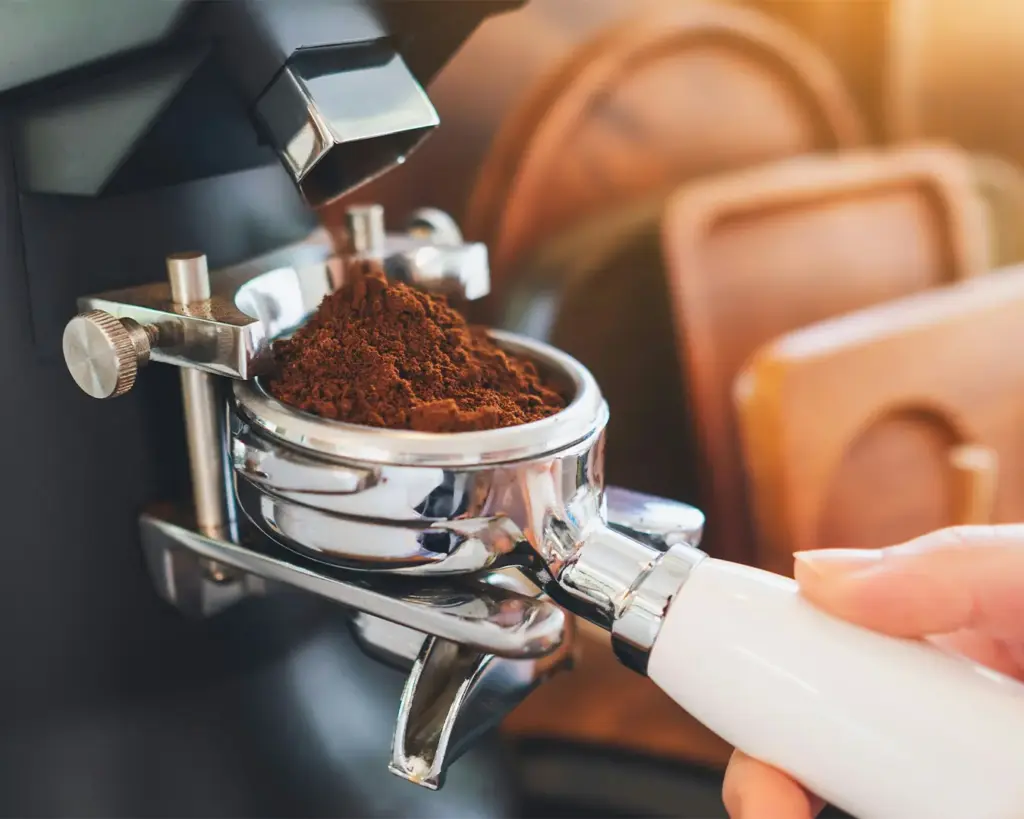
First, freshly roasted coffee beans are usually weighed and ground using a professional grinder. The grind size is typically coarse, similar to what’s often used for filter brews.
Smelling the Dry Aroma
Before water is added, tasters generally lean over the cups and smell the dry aroma. This early stage often reveals hints of chocolate, fruit, spice, or sweetness.
Adding Hot Water
Hot water is typically poured over the grounds, allowing the coffee to steep for around four minutes. As the coffee extracts, a layer called the crust usually forms on the surface.
Evaluating the Wet Aroma
When the crust is broken with a spoon, trapped aromatic compounds are released. This moment tends to produce the wet aroma, which often gives experts additional clues about the coffee’s quality.
Tasting the Coffee
After the surface grounds are cleared, tasters usually use a cupping spoon to slurp the coffee loudly. This technique tends to spread the coffee across the palate and aerates the liquid.
Evaluating Taste and Flavours
As the coffee cools, professionals typically evaluate:
Flavor clarity
Sweetness
Body
Balance
Aftertaste
Great coffees often reveal layers of sweet, bright flavors, and evolving flavours as the cup tends to cool.
Coffee Roastery
Inside a coffee roastery, cupping usually plays a vital role in quality control.
Roasters often cup coffees daily to:
Monitor roast consistency
Test new coffee blends
Evaluate single origin beans
Identify defects
This process generally ensures that customers receive excellent coffee whether they order an espresso, filter brew, or cold brew.
Cupping also tends to help roasters understand how different roast levels influence taste.
Coffee Roasters in Singapore
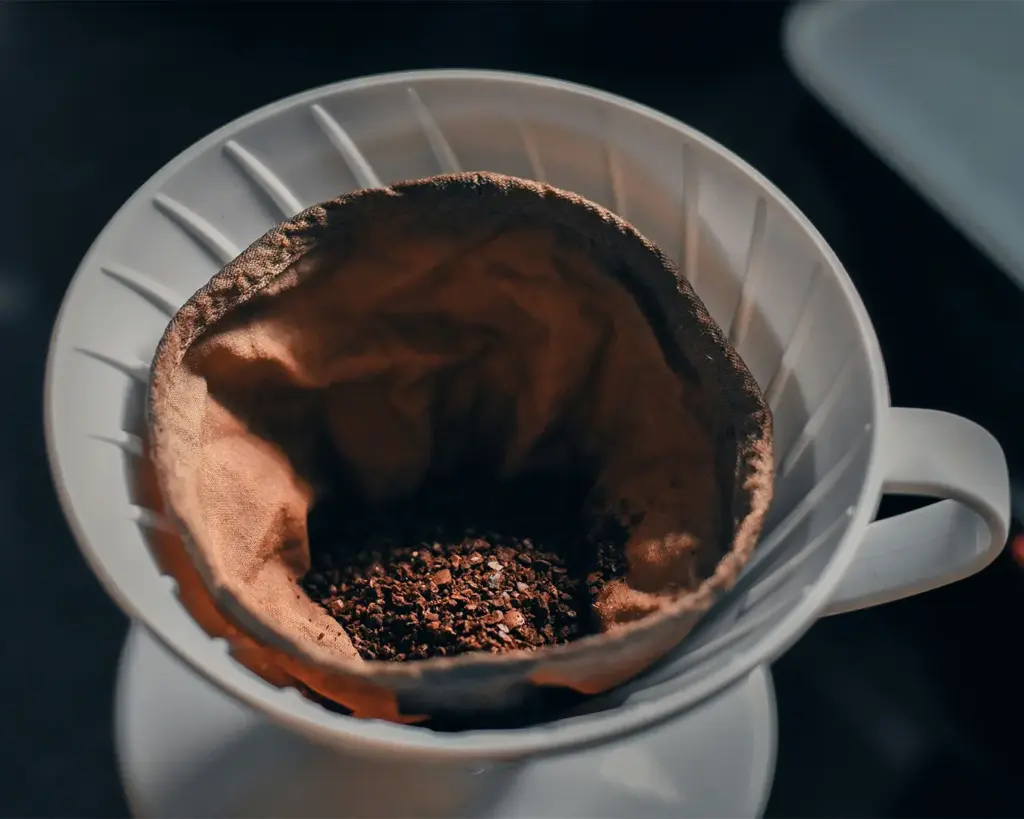
Singapore has gradually become a hub for specialty coffee roasters, many of whom regularly conduct cupping sessions to maintain quality.
Some well-known names include:
PPP Coffee
Nylon Coffee Roasters
Dutch Colony Coffee
Homeground Coffee Roasters
Common Man Coffee Roasters
Flip Coffee Roasters
Each coffee roastery typically uses cupping to evaluate incoming beans and refine their roasting profiles.
Singapore Cafés That Celebrate Specialty Coffee
Several popular Singapore cafés tend to have strong connections to the specialty coffee community.
Chye Seng Huat Hardware
One of the most well-known specialty coffee cafés in Singapore is usually Chye Seng Huat Hardware, a former hardware store that’s been transformed into a coffee hub.
The café is located close to Jalan Besar and houses a full coffee roastery that generally focuses on quality beans and thoughtful brewing.
Bearded Bella
Another respected name is Bearded Bella, a café known for its welcoming social space, strong brunch offerings, and carefully prepared coffee.
These cafés often serve coffee sourced from respected coffee roasters, which usually ensures customers enjoy excellent specialty coffee alongside dishes like pastries, sandwiches, breakfast plates, and brunch menu favourites.
Why Coffee Cupping Matters for the Coffee You Drink
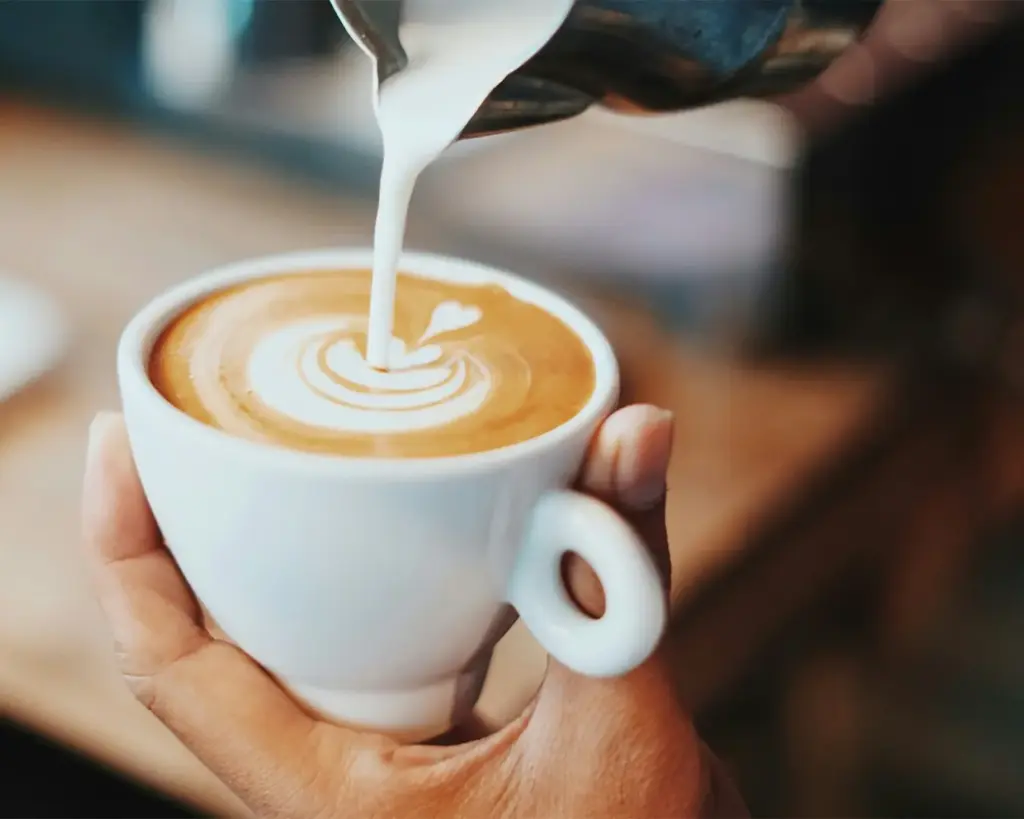
The cupping process tends to directly shape the coffee served in cafés around the world.
When a barista describes tasting notes such as chocolate, berry, or caramel sweetness, those flavor notes were likely identified during cupping.
Roasters often use these results to decide:
how to roast the beans
which coffees to feature
which coffees belong on their menu
Even the coffee served during breakfast, brunch, afternoon tea, or lunch at your favourite café has probably been tested through cupping sessions.
In many ways, cupping tends to be a win win process: farmers usually receive fair recognition for exceptional beans, roasters generally select better coffees, and customers enjoy more delicious drinks.
Conclusion
Coffee cupping is often considered the foundation of the modern specialty coffee industry. By systematically evaluating aroma, taste, sweetness, balance, and body, coffee professionals can usually determine the quality of a coffee with good accuracy.
This method generally allows roasters to highlight the unique character of single origin beans, maintain consistency in their roasting, and help ensure that every cup of coffee served in cafés reflects what many would consider the highest possible quality.
The next time you visit a café in Singapore, whether it’s for espresso, filter brews, pastries, sandwiches, or an excellent breakfast—as explored in our article A Coffee Connoisseur’s Perspective: Why Cafes for Breakfast in Singapore Remain Top Tier—it’s worth remembering that the coffee in your cup has likely been evaluated through this careful tasting process.
Behind every delicious drink there’s usually the thoughtful work of coffee roasters, baristas, and cupping professionals who tend to be dedicated to delivering excellent specialty coffee.