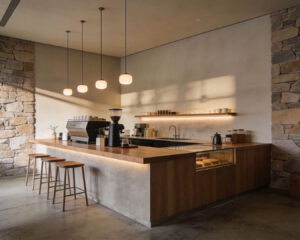

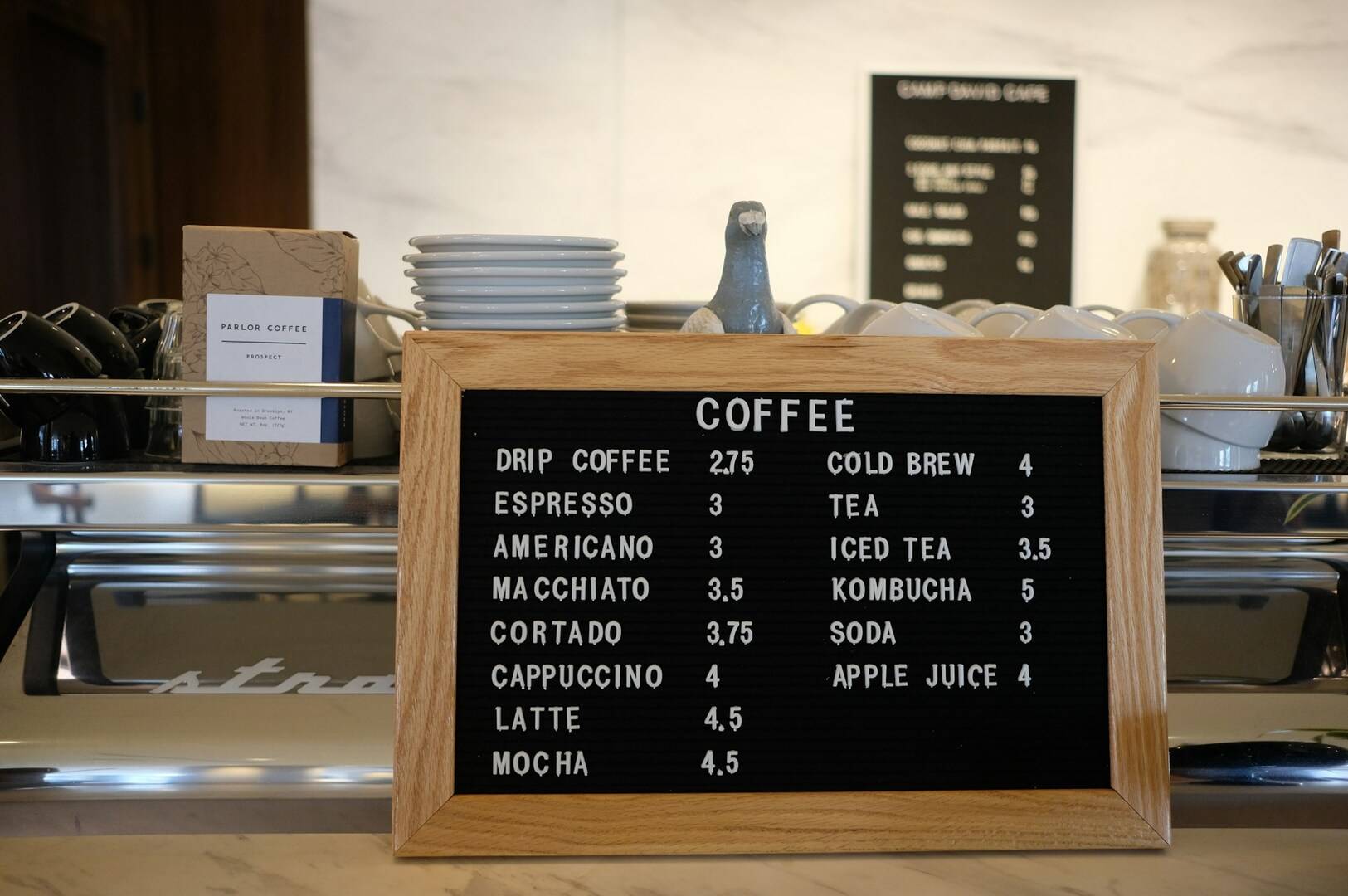
You’re standing at the counter of a beautifully designed cafe in Singapore. The air smells incredible—a mix of sweet pastry and rich, toasty coffee. You step up to order, ready for your morning caffeine fix, and then you see it: the coffee menu. It’s a minimalist board with words like “Ethiopia Yirgacheffe,” “Batch Brew,” “Magic,” and a list of tasting notes that reads more like a wine list. Suddenly, a simple coffee run feels like a test you didn’t study for.
That feeling of being slightly lost in front of a coffee menu is incredibly common. As coffee culture has evolved, menus have changed, moving away from a long list of syrupy lattes toward something more focused and, admittedly, sometimes more confusing. But that pared-back menu isn’t meant to be intimidating. It’s an invitation to a better, more flavourful coffee experience—one that can energize your morning, refresh your afternoon, or bring a sense of calm at the end of your day.
Why Coffee Menus with Dark Chocolate and Decadent Chocolate Flavours Look the Way They Do
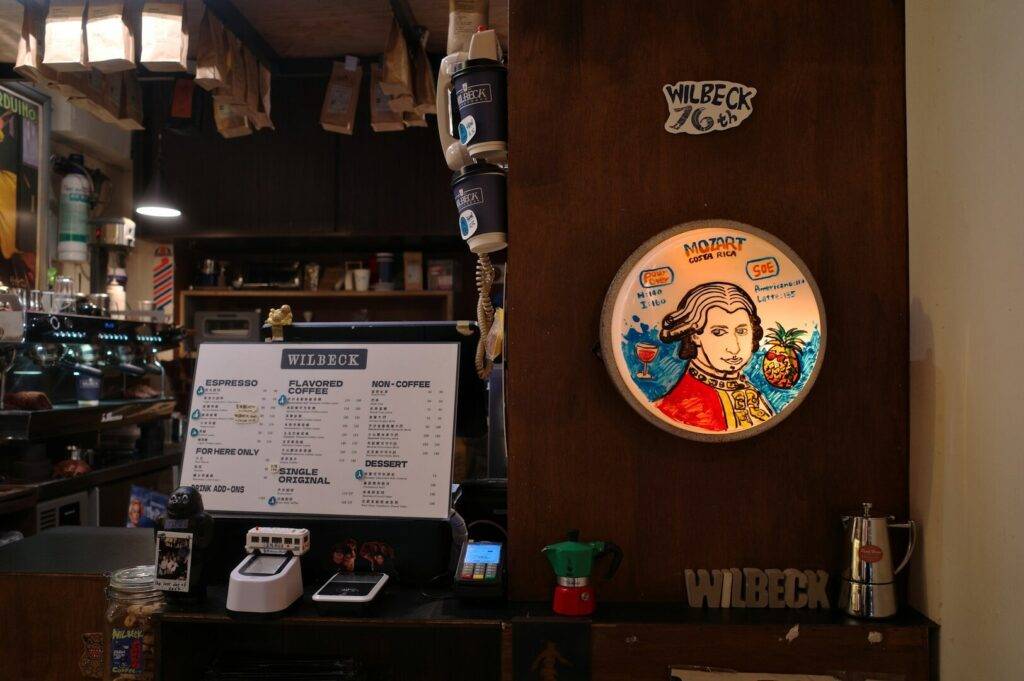
The first thing you might notice at many modern cafes is what’s not on the menu. There are fewer options, fewer sizes, and far fewer flavored syrups. This minimalist approach isn’t about being exclusionary; it’s about being intentional. It signals a shift in focus from coffee as a sweet, milky beverage to coffee as a quality agricultural product with complex flavours like dark chocolate and decadent chocolate.
The coffee menu is carefully curated to create a harmonious blend of flavors, emphasizing balance and cohesion in every cup, so that each ingredient and regional characteristic complements the others for a smooth, unified tasting experience.
These cafes are proud of their beans. They’ve spent time and money sourcing high-quality single origin coffee from specific farms and have roasted it carefully to bring out its unique character. A shorter menu allows them to execute a few things exceptionally well, ensuring that every cup they serve is a true representation of that coffee’s potential. The menu is designed to guide you toward a better tasting experience, not to limit you.
The Core Drinks You’ll See Almost Everywhere on a Coffee Menu
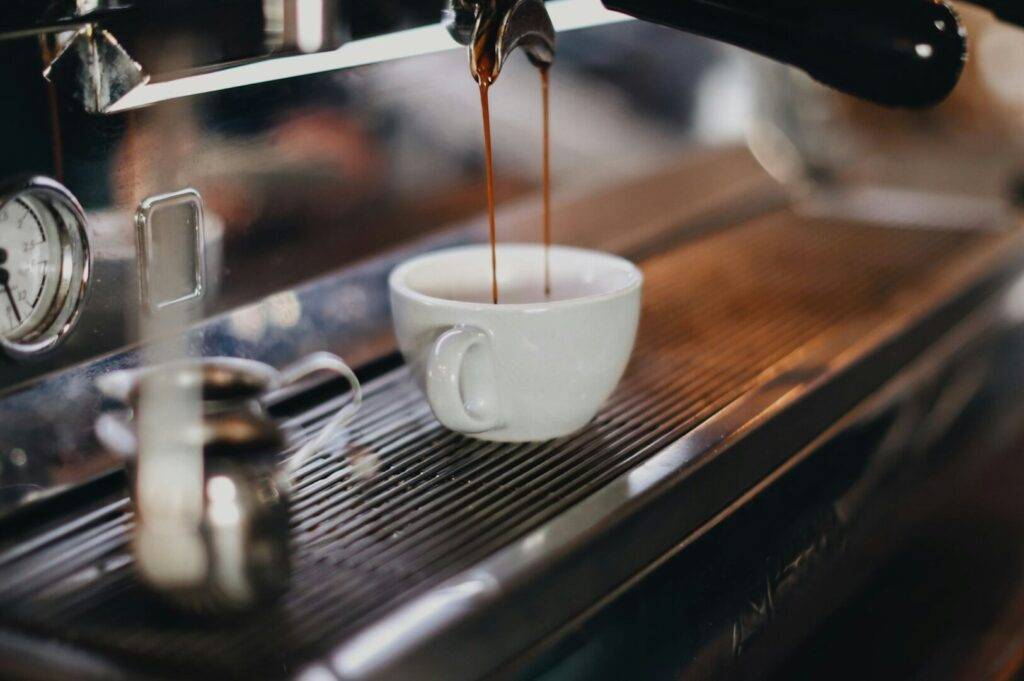
Despite the variations, most coffee menus are built around a few foundational drinks. Understanding them is the key to unlocking the entire menu. Almost everything is derived from espresso—a small, concentrated single shot of coffee made by forcing hot water through finely-ground beans.
-
Espresso: Served on its own, this is coffee in its purest, most intense form. It’s a small single shot, usually around 30ml, and it’s the flavourful base for most other drinks. Espresso is known for its hints of roasted hazelnuts and dark chocolate notes.
-
Long Black / Americano: Both are simply espresso and hot water, but the preparation differs. A Long Black is typically made by pouring espresso over hot water, which helps preserve the crema (the reddish-brown foam on top).
-
Flat White / Latte / Cappuccino: These are the holy trinity of milk-based coffees. All are made with espresso and steamed milk, but the difference lies in the texture of the milk and the ratio of foam. A Flat White has a thin, velvety layer of microfoam.
-
Mocha: Made with a double shot of espresso served with premium chocolate sauce and perfectly steamed milk.
-
Iced Latte: Made with espresso blend and milk served over ice.
-
Iced Mocha: A combination of chocolate and latte made with a classic blend.
-
Iced Americano: A classic Americano with smooth and nutty pistachio cream on top.
-
Iced Toffee Pistachio Latte: A creamy latte with savory pistachio and buttery toffee.
To personalize your drink, you can add extras such as flavored foams or toppings—like ‘Add Caramel Miso Cold Foam’—to enhance flavor and make your coffee uniquely yours.
Why Names Change but Coffee Doesn’t: A Smooth Combination of Flavours
You might see other names like “Magic” (a double ristretto with milk, popular in Melbourne) or “Gibraltar” (espresso and a small amount of milk served in a specific glass). These are often just regional variations or a cafe’s signature take on a standard drink. When in doubt, just ask the barista—they’re usually happy to explain what makes it special.
Some menu items are also highlighted as staff or customer favorites, so be sure to look out for these recommended items when exploring the coffee menu.
Understanding Beans, Origins, and Tasting Notes of Fruity, Citrus, and Spices Flavours
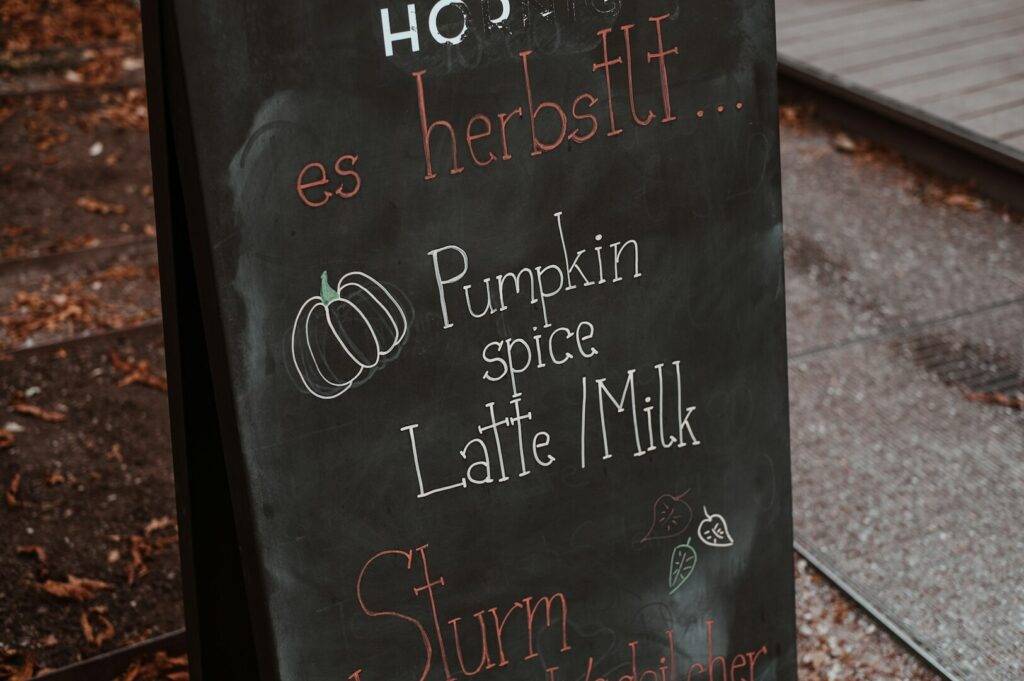
This is often where the confusion really sets in. Why does the menu list the country, the farm, and notes like “strawberry, bergamot, dark chocolate,” or “citrus, apple, and raspberry”? Coffee offers a remarkable variety of flavors, with each origin and roast profile providing a unique sensory experience for every palate.
“Single origin“ simply means the specialty coffee beans in the bag came from one specific farm, region, or cooperative in one country. This is important because, like wine grapes, coffee beans get their flavour from the “terroir”—the soil, climate, and altitude where they are grown. An Ethiopian coffee will taste wildly different from a Brazilian one.
Listing the origin is a way for the cafe to celebrate the farmer’s work and to give you a clue about the flavour you can expect. The tasting notes are not added flavours; they are the roaster’s and barista’s interpretation of the natural aromas and tastes present in the coffee. Sometimes, a touch of certain ingredients—like a hint of spice or a subtle floral note—can enhance the overall flavor profile, making each cup distinct. Think of them as helpful signposts, not a strict list of ingredients. You might not taste “candied orange peel,” but you might notice a pleasant citrus brightness or a hint of licorice. The notes are there to guide your palate, not to test it.
Cold Brew and Other Brew Methods Without the Intimidation

Beyond the espresso machine, you might see a section for “cold brew“ or “Filter Coffee.” This refers to any method where hot or cold water flows through ground coffee, usually with the help of a paper filter. It produces a cleaner, more delicate cup that allows the nuanced flavours of single origin beans to shine.
-
Drip/Filter Coffee: Standard black coffee brewed in large batches, offering a straightforward and consistent cup.
-
Batch Brew: This is filter coffee made in a larger batch using an automated machine. It’s a fantastic option if you want a quick, delicious, and affordable cup of black coffee. It’s the workhorse of the specialty cafe.
-
Red Eye: A cup of drip coffee with a shot of espresso added for extra strength and flavor.
-
Pour-Over (V60, Kalita): This is a manual method where the barista pours water over the coffee grounds by hand. It’s a more controlled, almost ritualistic process that allows for a high degree of precision. It takes a few extra minutes, but it often results in a more vibrant and complex cup.
-
French Press: Brews coarsely ground coffee using a plunger pot, resulting in a rich and full-bodied cup.
Cold Brew is coffee steeped in cool water for an extended period for a smoother flavor. Nitro Cold Brew is cold brew infused with nitrogen gas to create a creamy texture.
Some cafes also offer functional coffees, such as Mushroom Coffee blended with adaptogens, which use mushroom as a key ingredient for added wellness benefits.
Cafes might suggest certain beans for certain brew methods because they know what works. A very light, floral coffee with notes of jasmine, rose, or osmanthus might get lost in milk but will be stunning as a pour-over.
Sidebar: Specialty ingredients like Black Aren palm sugar are valued not only for their flavor but also for their high mineral and antioxidant content, offering additional nutritional benefits.
Milk, Butter, Alternatives, and Customisation to Create Your Perfect Sip

One common anxiety is around customisation. In a specialty cafe, you might find that your request for skim milk or an extra-large caramel latte is politely declined. Again, this isn’t snobbery. These cafes have chosen specific full-fat milk or butter because their sugar and fat content best complements their espresso and blend of beans. You also have the option to purchase specialty ingredients like Black Aren palm sugar, supporting sustainable farming and fair wages for farmers. They avoid syrups because they want you to taste the quality of the coffee itself and the natural sweet notes like gula aren or caramel.
This “less is more” approach doesn’t mean you can’t have your coffee the way you like it. It’s perfectly fine to ask for milk alternatives, with options including oat, soy, almond, and coconut milk, or less foam. When flavoring is available, syrups commonly include vanilla, caramel, and hazelnut. The key is to understand that the menu is curated. If you’re looking for a highly customized, sweet beverage with cinnamon, chocolate, or mocha, a specialty cafe might not be the best fit for that particular craving—and that’s okay.
For pairings, you’ll often find savory pastries featuring herbs, potato, cheese, and walnuts as key ingredients, such as mushroom Gruyère Danish or potato curry puffs. Cookies are also available as a sweet pairing option, offering distinctive texture and flavor to complement your coffee.
How to Order With Confidence (Even If You’re New to Complex Flavours and Pastry Pairings)
The best way to navigate a new coffee menu is to learn how to ask for what you like. You don’t need to know the jargon. Instead of trying to remember the difference between a flat white and a latte, just describe your preference. When asking for recommendations, don’t hesitate to inquire about prices for menu items or any seasonal specials, as these can include unique, limited-time offerings and may have additional charges such as GST or service fees.
Here are a few things you can say:
-
“I usually drink lattes. What would you recommend here with a creamy texture or a pastry pairing like brioche, bagels with cream cheese, scones with jam or cream, croissants (plain, chocolate, or almond), muffins (blueberry, chocolate chip, or banana nut), brownies, or artisanal toasts such as avocado toast?”
-
“I’m looking for a black coffee that isn’t too bitter but has a refreshing fruity blend, maybe with blueberry, raspberry, or apple notes.”
-
“I’d love to try one of your single origin beans. I usually like coffees that are more chocolatey than fruity, with a hint of spices.”
If ordering online, simply add your preferred items to the cart and follow the required steps to complete your purchase. Many cafes now offer this convenient service, making it easy to enjoy your favourite coffee at home or on the go.
Reading the Coffee Menu as an Invitation, Not a Test: Enjoy the Benefits and Flavours of Each Sip
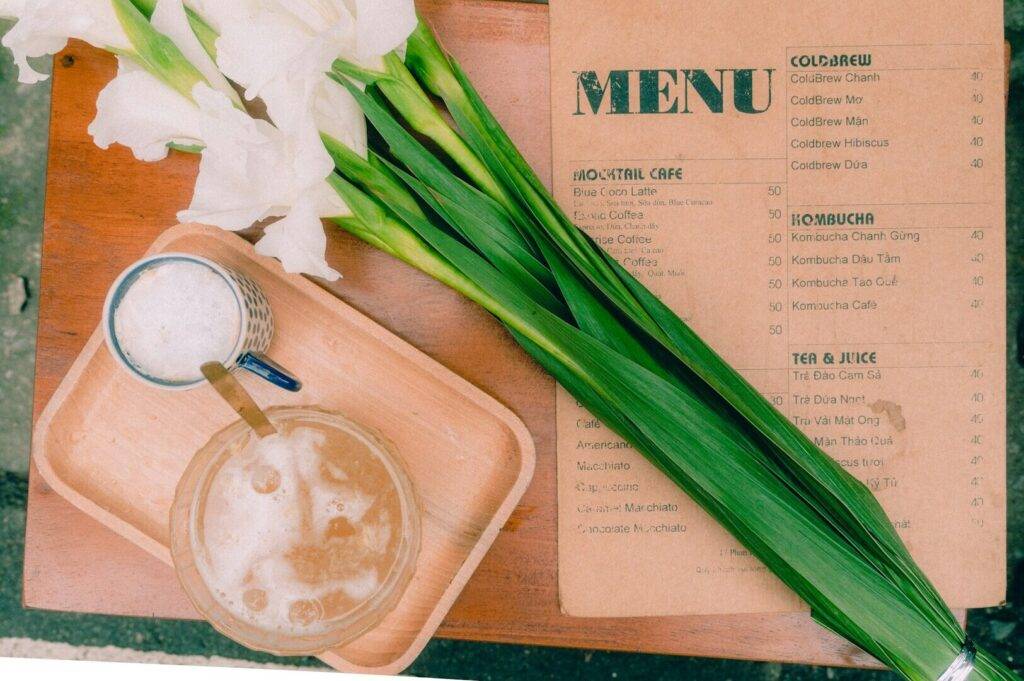
Ultimately, a well-designed coffee menu is a conversation starter. It’s an invitation to explore. It’s a chance to learn that coffee isn’t just one flavour, but a whole spectrum of them—from the rich aroma of dark chocolate and decadent chocolate, to the freshness of coconut flakes and the complex flavours of red peppers or white grape.
There is no right or wrong order, and you are not being judged. The only goal is to find a drink that brings you enjoyment on any occasion.
Conclusion: Continue to Enjoy Coffee Without Overthinking It
The world of specialty coffee can seem complex, but at its heart, it’s about a simple pleasure: a delicious cup, made with care. Don’t let a fear of “getting it wrong” hold you back from trying something new. Trust your own palate. If you like it, it’s a good coffee.
The next time you’re faced with an unfamiliar coffee menu, take a breath. Get curious. Ask the person behind the counter for a recommendation. You might just discover your new favourite drink. The journey of understanding coffee is best taken one sip at a time, with an open mind and a willingness to explore.
To find cafes that welcome questions and are passionate about guiding you through their offerings, check out the reviews and recommendations on BestCafeSingapore.com. We’re here to help you find your next great coffee experience, one menu at a time.