
Every morning, millions of people reach for that familiar comfort of coffee. But here’s what gets me excited—most folks have no idea about the incredible journey of discovery that happens long before those coffee beans ever meet a grinder. Within the global coffee industry, quality isn’t just someone’s opinion on a good day. It’s measured through this fascinating, detailed framework called the specialty coffee grading system.
This grading system reveals the coffee quality of beans from every corner of the coffee-growing world. By examining everything from bean size and moisture content to the way aroma blooms in your cup and flavors dance on your palate, coffee professionals can determine whether you’re holding high quality coffee or simply commercial coffee.
At the heart of this whole system lies this magical threshold: scoring 80 points or higher on the specialty coffee scale. Coffees that reach this benchmark are officially considered specialty coffee, while those below it fall into the broader world of mass market coffee.
Understanding how the coffee bean grading system works opens up this whole beautiful appreciation for the complex journey from farm to that perfect cup in your hands.
Specialty Coffee Grading System
The specialty coffee grading system is this internationally recognized framework that organizations like the Specialty Coffee Association (SCA) developed—you might hear it called the specialty coffee association sca or simply the coffee association sca.
This system evaluates coffee using a 100-point scoring scale that captures both the physical beauty of the beans and the sensory magic that happens when you brew and taste them.
The process unfolds in two main stages that always fascinate me:
Key Stages of the Specialty Coffee Grading System
Visual inspection of green coffee beans
Sensory evaluation through cupping
During that first stage, graders examine the beans like treasure hunters, searching for primary defects, secondary defects, and other little imperfections. They’re looking for anything that might steal away from the cup quality of your final brew.
In the second stage, the real excitement begins—the coffee gets roasted, brewed, and evaluated through professional tasting techniques. The evaluation focuses on these incredible attributes: aroma, acidity, body, sweetness, and that overall flavor balance that makes you pause and think, “Now that’s something special.”
Coffee Beans
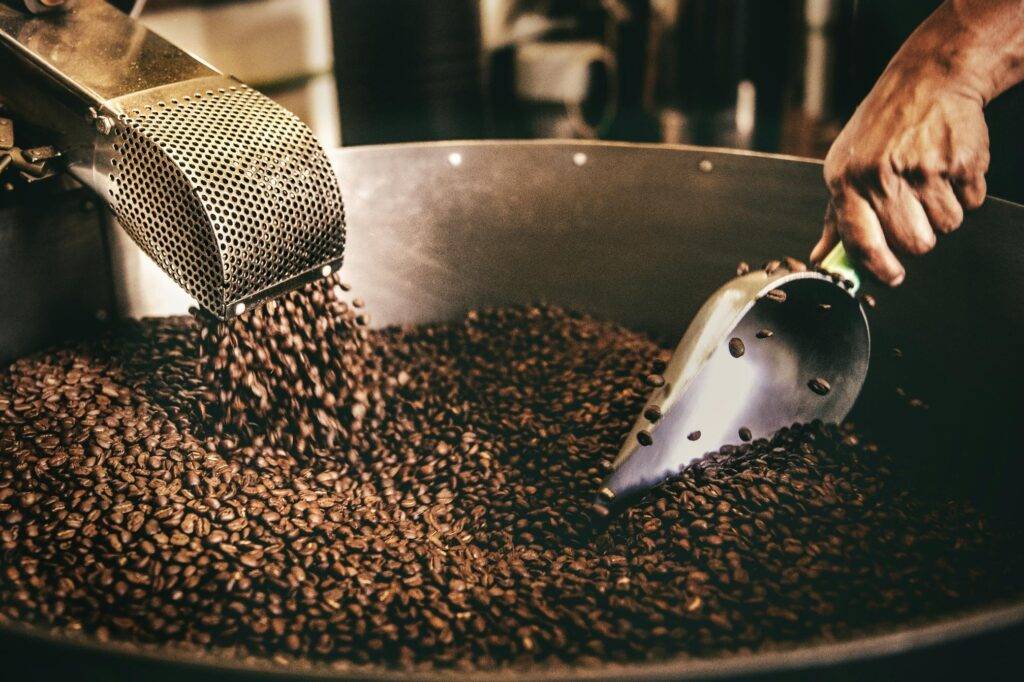
The foundation of this grading adventure starts with evaluating those precious raw coffee beans themselves.
Before any coffee ever touches hot water, graders conduct this careful visual inspection of the beans. They’re checking for:
Bean size
Moisture content
Color consistency
Physical damage
The number of defects
The goal is to separate beans that have that specialty potential from those that belong in lower grades.
Here’s what’s interesting—defects like black beans, broken beans, or sour beans can completely transform a coffee’s final quality score. And not in a good way.
Because these little imperfections can dramatically shift the flavor story, catching them early in the coffee production process is absolutely essential.
Coffee Bean Grading
Coffee bean grading reveals the physical quality of green coffee before the roasting magic begins.
This stage gets really focused on sorting beans by size, density, and defect levels. Proper sorting beans helps ensure that consistent roasting you want and that improved flavor clarity in your final cup.
Graders carefully analyze:
Bean size classification
Moisture levels
Density of the beans
Defects within the sample
This detail ensures consistency throughout the coffee supply chain, so roasters can confidently purchase beans that meet those strict quality standards we all benefit from.
Commercial Coffee
When a coffee doesn’t quite reach those specialty standards, it gets classified as commercial coffee.
Commercial-grade beans often carry higher defect counts and less flavor clarity. These coffees typically find their way into:
Instant coffee
Mass-produced supermarket blends
Large-scale commodity coffee production
Because mass market coffee focuses on volume over that quality experience, the beans often miss those vibrant fruit notes, rich chocolate undertones, or delicate floral aromatics you’d find in specialty coffee.
Instead, the flavor profile might taste flat, bitter, or disappointingly generic.
Coffee Production
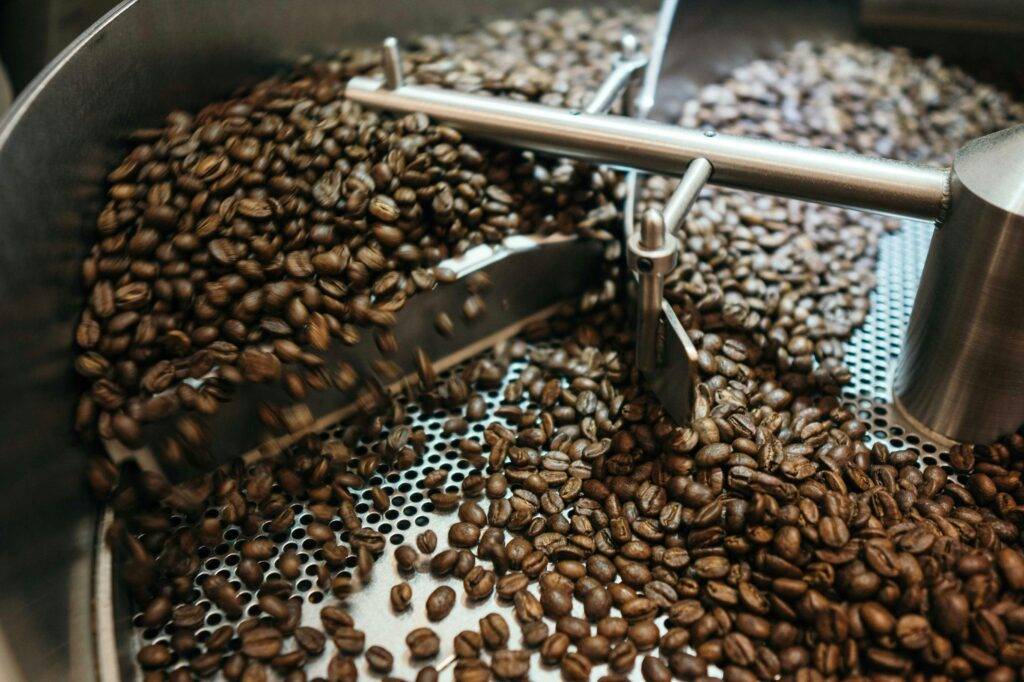
The grading system also plays this crucial role during coffee production.
Farmers and coffee producers must carefully orchestrate harvesting and processing conditions to achieve those high scores. This includes:
Harvesting cherries at that perfect moment of ripeness
Carefully washing or drying the beans
Monitoring moisture content during drying
Preventing fermentation defects
These practices ensure that the final product holds onto that natural sweetness, bright fruit acidity, and complex flavors that define quality coffee.
When coffee achieves a strong quality score, farmers can command a fair price for their beans on the global market—which is beautiful to see.
Coffee Supply Chain
The coffee supply chain relies heavily on these grading standards to maintain that quality control we all depend on.
Once beans leave the farm, they move through multiple stages:
Exporters evaluate and verify quality
Importers check samples for cup quality
Roasters conduct their own coffee scoring sessions
Each stage of the supply chain uses this same grading system, ensuring consistency and transparency for both producers and buyers.
This single grading system allows everyone—from farmers to consumers—to trust the quality being represented.
Grade Coffee
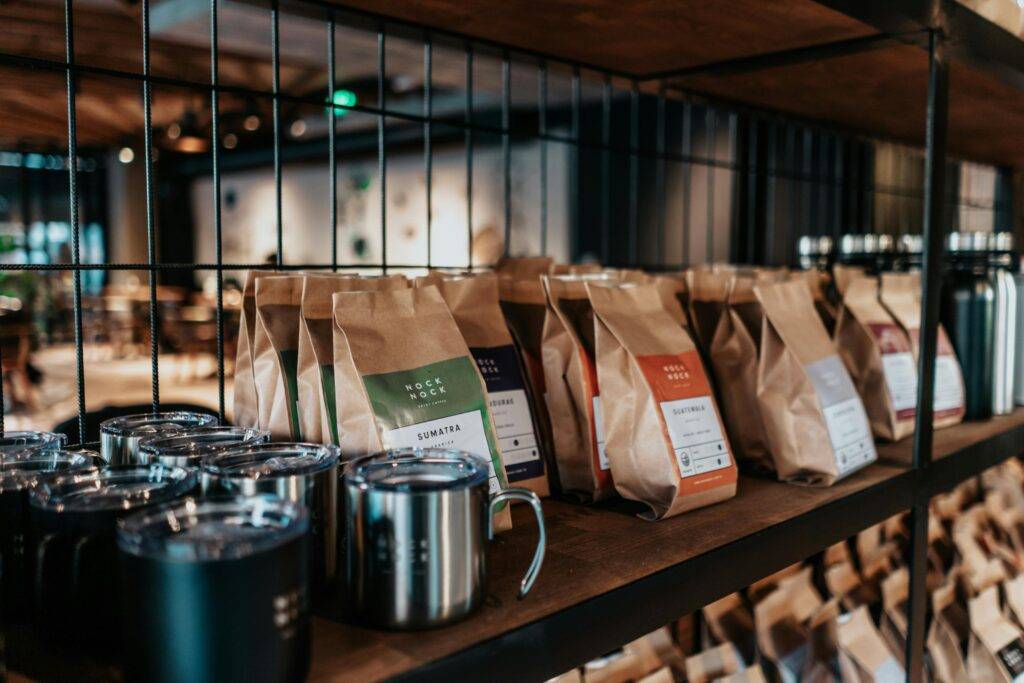
To grade coffee, professionals evaluate both physical bean quality and those sensory characteristics that make your taste buds pay attention.
This evaluation typically includes:
Aroma
Flavor
Acidity
Body
Sweetness
Balance
Aftertaste
Each attribute contributes to that final quality score.
When these attributes come together in perfect harmony, the coffee might reach that magical threshold of scoring 80 points, officially becoming specialty grade coffee.
Arabica Coffee
Most specialty coffee comes from arabica coffee beans, which naturally offer those more complex flavors compared to robusta beans.
Arabica coffee tends to reveal notes like:
Citrus fruit brightness
Rich chocolate depth
Floral tea-like aromas
Caramel sweetness
These qualities make arabica the preferred species for high-grade coffees evaluated under the specialty coffee grading system.
Kenyan Coffee
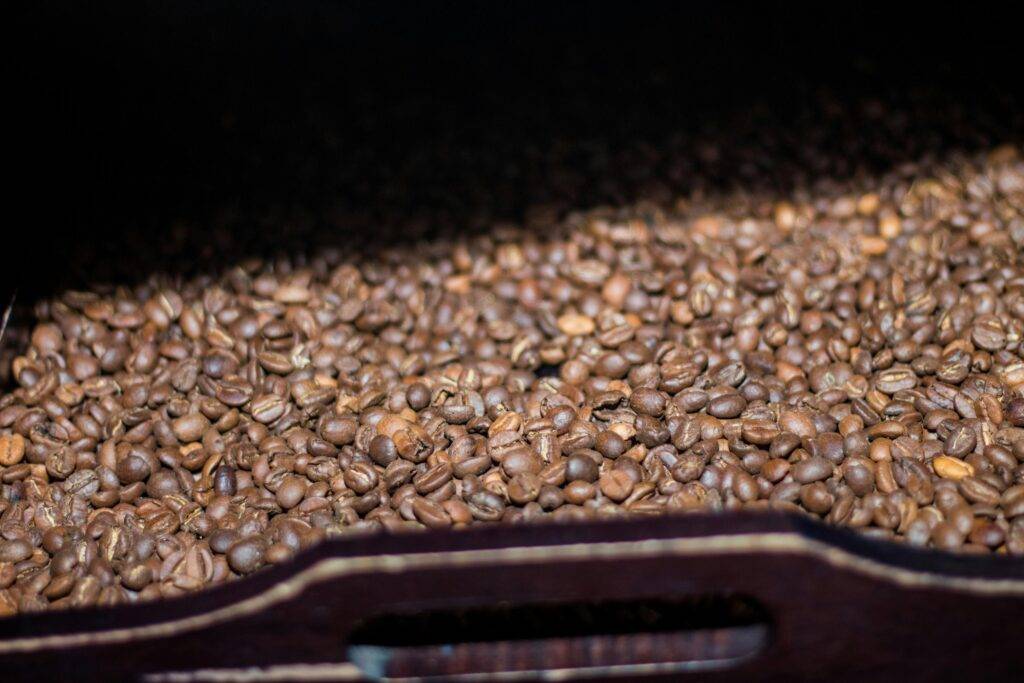
One beautiful example of high-scoring coffee is Kenyan coffee, often celebrated for its bright acidity and bold fruit character.
Kenyan beans are frequently graded using size classifications like AA grade beans, which refer to those larger, denser beans that often produce exceptional flavor clarity.
Because of their vibrant personality and consistent cup quality, Kenyan coffees often achieve impressive scores within the specialty grading system.
Coffee Grading
Coffee grading ultimately brings together physical inspection with sensory analysis in this fascinating process.
Graders evaluate both the bean sample and the brewed coffee using the same way across different origins. This standardized approach ensures that coffee from Ethiopia, Kenya, Colombia, or Brazil gets evaluated fairly.
The process gets conducted by these trained professionals called Q graders, who have passed rigorous exams testing their sensory abilities—pretty incredible stuff.
Grading System
This global grading system helps maintain consistency across the entire coffee market.
Because all professionals follow the same evaluation framework, buyers can confidently purchase beans from different regions knowing that the grading criteria remain consistent.
This consistent process ensures that roasters and cafés receive beans that meet those expected standards of quality coffee.
Coffee Scoring
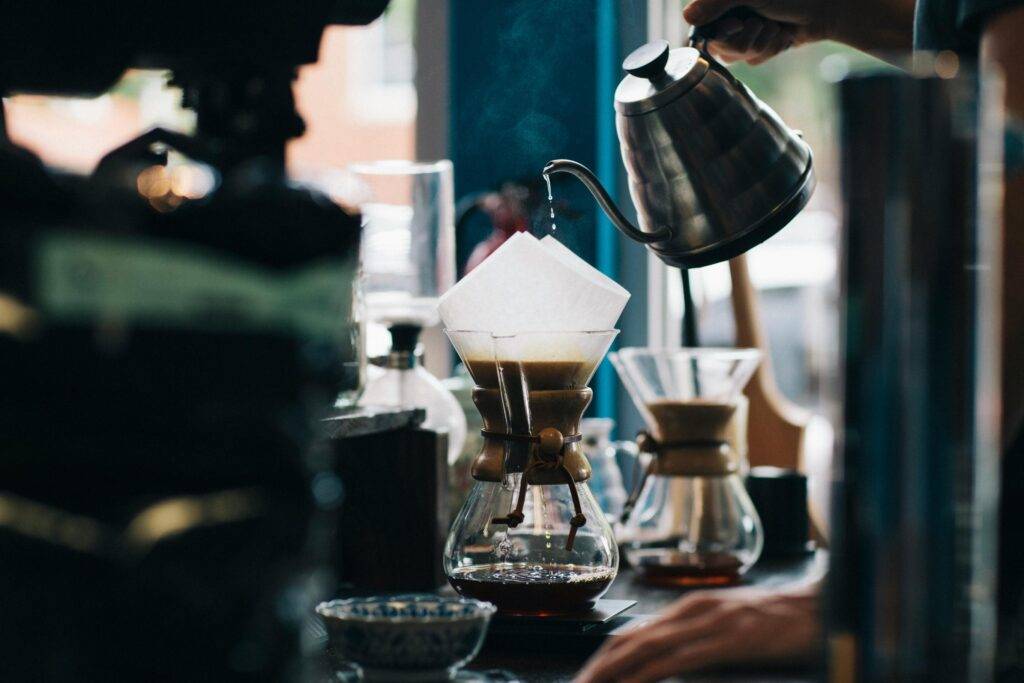
During cupping sessions, coffee scoring determines that final numerical value assigned to a coffee.
Each category contributes points toward the total score, including:
Aroma
Flavor
Acidity
Body
Sweetness
Balance
The combined score determines whether the coffee falls within that specialty range.
Here’s how it breaks down:
90+ points: Outstanding specialty coffee
85–89 points: Excellent specialty coffee
80–84 points: Very good specialty coffee
Anything below 80 gets classified as commercial grade.
Conclusion
The specialty coffee grading system forms the backbone of the modern coffee industry. Through detailed inspections, standardized coffee scoring, and careful sensory evaluation, professionals can determine the true quality of coffee beans before they ever reach a café.
This system protects the interests of coffee producers, ensures transparency throughout the coffee supply chain, and guarantees that consumers receive coffee that meets clear quality standards.
Ultimately, the grading system celebrates the dedication of farmers who produce exceptional beans and allows roasters to source coffees that deliver distinctive flavors in every cup.
The next time you brew a cup of specialty coffee and notice those hints of fruit, chocolate, or tea-like aromas dancing in your cup, remember that those flavors were carefully evaluated through this rigorous grading process long before the coffee reached your mug.