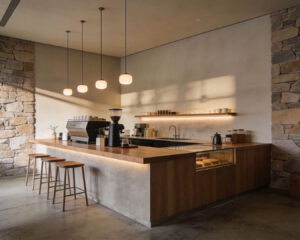

We’ve all been there. You walk into a specialty cafe in Tiong Bahru or Siglap, scan the menu or the bags of coffee beans on the shelf, and suddenly you’re faced with a decision that feels more complicated than it should be. “Light roast Ethiopia,” “Medium-dark house blend,” “French roast.” If you just want a good cup of quality coffee, does the coffee roast really matter that much?
The short answer is yes—it matters immensely. The coffee roasting process is the transformative moment when green coffee beans shed their grassy, raw state to reveal the wonderful flavours locked inside. Before roasting, coffee beans are actually seeds found inside the coffee cherry, the fruit that surrounds and protects the beans. Extracting the beans from the coffee cherry and understanding its layers is a crucial step in producing quality coffee, as the ripening process of the cherry greatly influences the final flavour.
It’s not just about the final colour; it’s about coaxing out a coffee’s own unique flavours, balancing acidity, body, and aroma to craft a cup that sings. Whether you’re savoring a bright, floral pour-over or a rich, full-bodied espresso, understanding roast profiles elevates your appreciation and guides you to the perfect brew.
The Coffee Roasting Process: From Green Coffee Beans to Roasted Beans
Before we explore the different roasts and roast types, let’s peek inside the coffee roasting process—a delicate dance of chemistry and craft. Green coffee beans, dense and moisture-rich, enter the coffee roaster where temperatures climb between 180°C and 250°C. As a result, roasted coffee beans are produced, showcasing the unique flavors and aromas developed during roasting. This heat sparks a series of chemical reactions that define the final flavour profile. The roasting process removes nearly all moisture from the beans, making them weigh less and become crunchy to the bite.
The roasting process can be divided into three main stages: drying, browning, and development.
The Transformation of Coffee Beans
As the green beans warm, moisture evaporates, and they transition from green to yellow, releasing aromas reminiscent of toasted bread or popcorn. The beans expand, and their texture shifts from hard to crunchy.
The Maillard Reaction and Chemical Change
This is the magic behind the browning: sugars and amino acids interact to create hundreds of complex flavour compounds. It’s the same reaction that gives a seared steak its crust or bread its golden crumb. In coffee, it’s where the signature aroma and taste begin to take shape.
The First Crack: Birth of Light Roast Coffee Beans
Around 196°C, the beans audibly crack—think popcorn popping. This first crack signals the birth of light roast coffee beans. At this point, the beans have doubled in size, and the roaster decides how much longer to develop the roast, shaping the flavour journey ahead.
Caramelization and the Second Crack
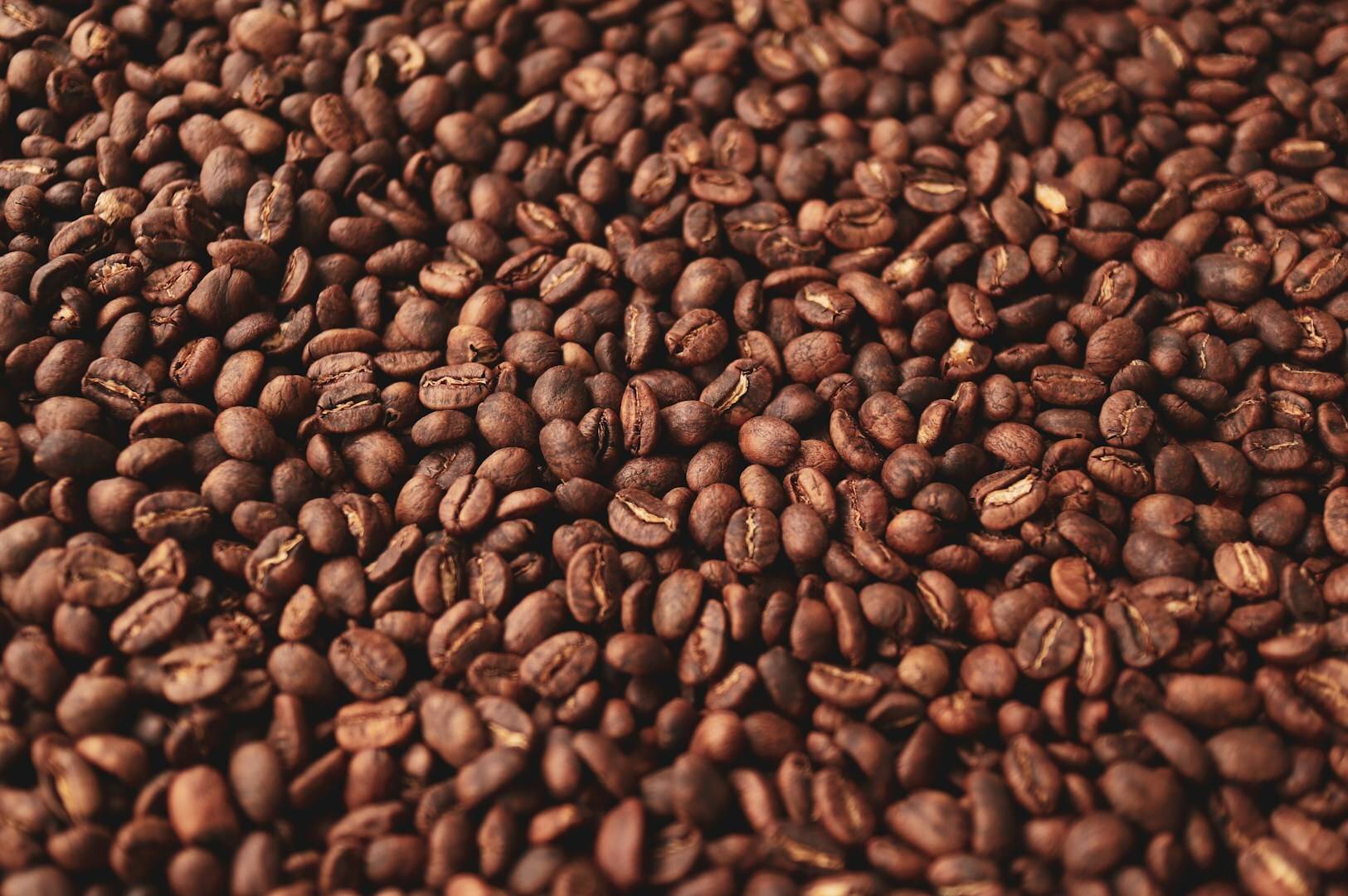
Continuing past the first crack, natural sugars caramelize, deepening sweetness and body. As the roast progresses, the beans turn dark brown as they approach the second crack. Roast coffee beans longer, and those sugars burn, introducing a bitter taste and smoky notes characteristic of dark roasts. The second crack, a softer pop, marks the transition into these darker realms where oils start migrating to the surface, giving beans that signature oily surface. Medium-dark roasts have a rich dark brown appearance with a slightly oily surface and deliver a more robust flavor with hints of bittersweet chocolate and a lower acidity than medium roasts. Dark roasts have a deep and chocolatey color and often have an oily sheen on the surface of the bean.
Light Roast Coffee: Bright, Complex, and Origin-Forward
In Singapore’s vibrant specialty coffee scene, light roast coffee beans are celebrated for their clarity and complexity. They’re a tribute to coffee’s origin—the unique soil, climate, and altitude where the beans were grown.
Lighter roasts retain more of the original bean’s flavour profile, which can be teased out nicely with various pour over filter methods.
Characteristics of Lighter Coffee Roasts
Light roasts are light brown with a dry surface—no oily surface here. They retain the original flavour profile of the green beans, bursting with floral, fruity notes and a vibrant acidity that dances on the palate.
Flavour Profile: Think jasmine, citrus, and ripe berries—each sip a delicate exploration of the coffee’s origin.
Acidity: Bright and lively, akin to a crisp green apple or lemon zest, not harsh but refreshing.
Body: Light and tea-like, perfect for those who appreciate subtlety.
Caffeine Content: Slightly higher by volume than darker roasts, since the beans are denser and less expanded, giving you more caffeine per cup.
Best Brewing Methods for Lighter Roasts
Lighter roasts truly shine when brewed with methods that highlight their nuanced flavours:
Pour-over (V60, Kalita Wave)
AeroPress
Cold Brew (for a refreshing, fruity cup)
Who Should Try Lighter Roasts?
If you enjoy drinking coffee black and delight in exploring complex, nuanced flavours, lighter coffee roasts are your playground. Just keep in mind that the bright acidity might clash with milk, sometimes making it taste a bit sour.
Medium Roast Coffee: The Balanced Sweet Spot
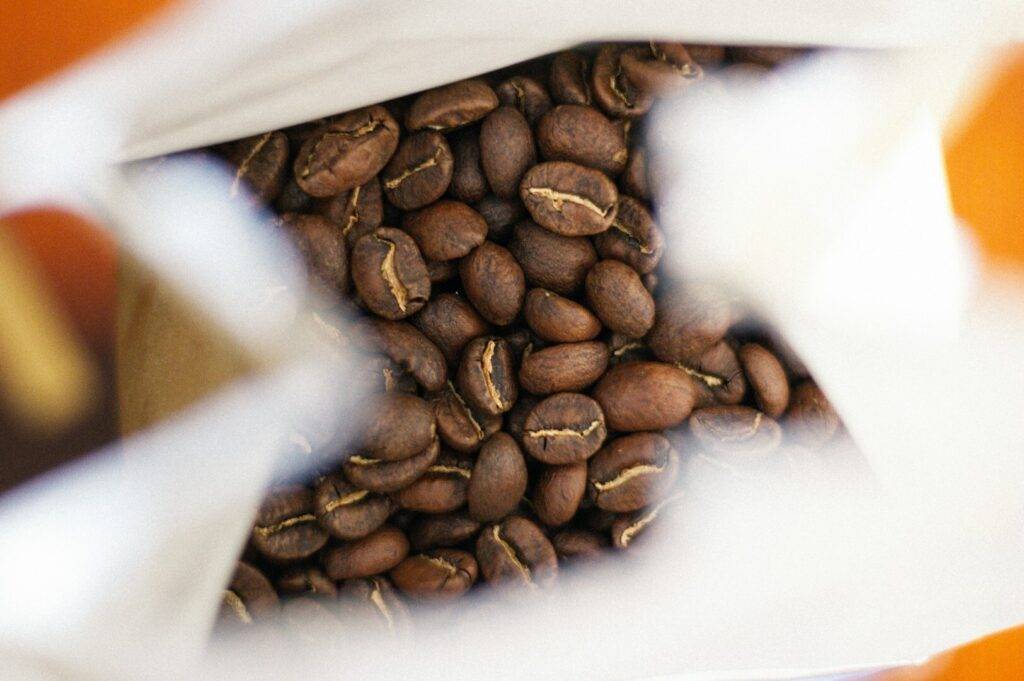
Medium roast coffee strikes a harmonious balance, making it a beloved choice in cafes across Singapore. It offers the best of both worlds: the origin’s character gently softened by the sweetness and depth developed during the roasting process.
Characteristics of Medium Roast Beans
Medium roast beans take on a medium brown hue with a dry, non-oily surface. Roasted past the first crack but shy of the second, they deliver a more rounded cup.
Flavour Profile: Balanced and rich, with notes of caramel, nuts, chocolate, and a touch of fruitiness.
Acidity: Moderate—smooth and mellow, perfect for those seeking complexity without sharpness.
Body: Medium, with a pleasant syrupy mouthfeel.
Why Medium Roast Coffee is Popular
Medium roasts are incredibly versatile. They hold their own black but also pair beautifully with milk, making them a staple for espresso blends and milk-based drinks like lattes and cappuccinos. Many specialty coffee roasters craft espresso roasts from medium roast beans to suit the espresso method, balancing the flavour profile for a more balanced flavour in the cup.
Best Brewing Methods for Medium Roast Coffee
Medium roasts work well with a variety of brewing methods:
Espresso and moka pot for a strong, rich cup
French press for a full-bodied experience
Pour-over for a balanced flavour profile
Dark Roast Coffee: Bold, Rich, and Comforting
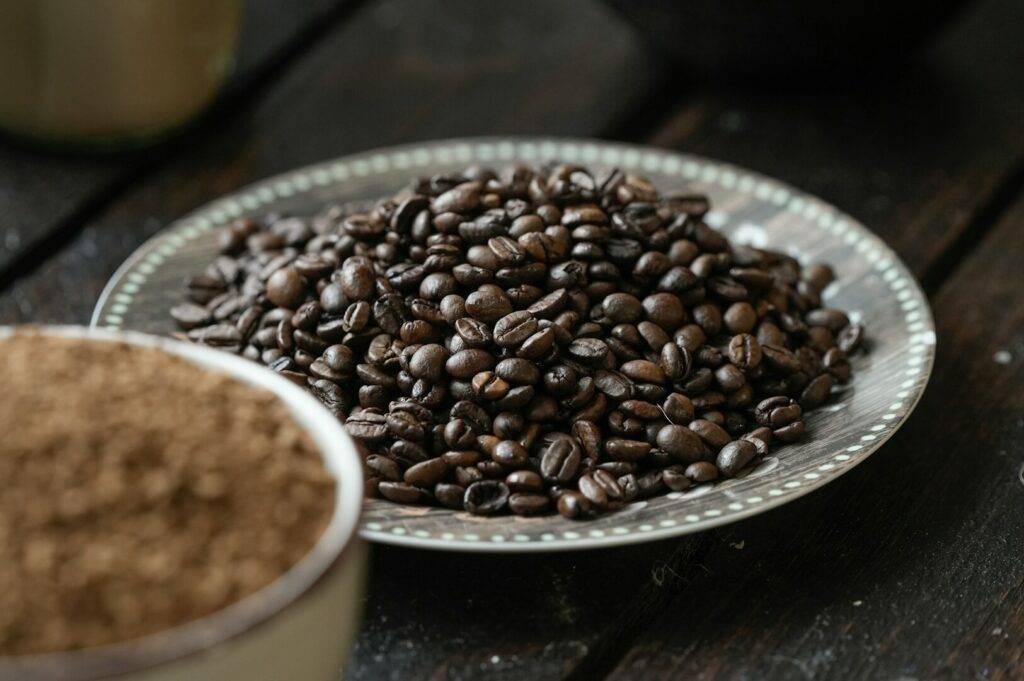
Dark roast coffee has a storied place in coffee culture, especially among those who cherish a bold, robust cup. While lighter roasts highlight origin, dark roasts celebrate the roasting process itself.
Characteristics of Dark Roast Coffee
Dark roast beans are deep brown to nearly black, often sporting an oily surface from being roasted long and past the second crack. They break down the bean’s internal structure, resulting in a full bodied cup.
Flavour Profile: Bold and bittersweet, with smoky, toasted, and earthy notes. Expect dark chocolate, toasted nuts, and a hint of spice.
Acidity: Low to none, making it gentle on sensitive stomachs.
Body: Full-bodied and heavy, delivering a comforting mouthfeel.
Caffeine Content: Despite common belief, dark roasts do not have less caffeine; caffeine levels remain relatively stable across roast levels by weight.
Ideal Uses for Dark Roast Coffee
Dark roasts excel in espresso shots, especially in the Italian tradition, and shine in milk-based drinks where their strength cuts through creamy textures. The classic French roast and American roast are popular dark roast profiles known for their bold taste and bitter taste.
When to Choose Dark Roast
You prefer coffee with milk and sugar.
You dislike acidity or fruity notes.
You seek a straightforward, comforting coffee experience.
Choosing Your Coffee Roast: Finding Your Perfect Cup
Navigating the coffee aisle or cafe menu can be daunting, but here’s a simple compass to help you choose the right roast coffee for your taste and brewing method:
Love tea-like brightness and fruity notes? Embrace lighter coffee roasts.
Crave balance with caramel and chocolate? Medium roast coffee awaits.
Want bold, smoky intensity and cocoa notes? Dark roast is your go-to.
Consider your brewing method too:
Pour-over methods highlight light to medium roasts’ delicate and complex flavours.
French press and immersion methods suit medium to dark roasts for a richer body and stronger aroma.
Espresso thrives on medium-dark to dark roasts, though most roasters craft espresso blends from various roast levels for unique flavour profiles.
Coffee Roasts and Brewing Methods: Maximizing Your Coffee Experience
The way you brew your coffee influences how the roast profile and unique flavours come through in your cup.
Pour-over (V60, Kalita Wave): Best for lighter roasts to extract fruity notes and floral aromas.
French press: Perfect for medium to dark roast coffee, bringing out full bodied richness and balanced flavour.
Espresso method: Typically uses espresso roast or medium-dark roasts to achieve a strong, concentrated cup with a rich crema.
Moka pot: Works well with medium to dark roasts to produce a robust and aromatic brew.
Cold brew: Highlights the smoothness and sweetness of lighter roasts over long periods of steeping.
Conclusion: The Art and Science of Coffee Roast
Understanding coffee roast types unlocks a richer coffee experience. It empowers you to choose beans that suit your taste and brewing style, transforming each cup into a journey of flavour and craftsmanship.
Next time you sip your coffee, pause to appreciate the skill behind the roast—the precise dance of heat and time that brings forth your favourite notes, whether floral brightness or deep cocoa richness. Your perfect roast is out there, waiting to be discovered.
Ready to explore? Let your palate guide you through the wonderful world of Best Cafe Singapore.