

The espresso machine sat where I didn’t expect it, wedged into a hawker stall, humming between a curry puff seller and the wet market noise under the sun.
That was the first thing that stopped me at Generation Coffee, not the coffee itself, the strangeness of the setup, a proper espresso machine, gleaming, in the middle of Tekka Centre.
I’d read about it in recent food news, but reading and standing there are different things.
This is my honest account of a few mornings spent at the Tekka stall, the queue, the smell of the market, the moment a kopi arrives that tastes like it came from somewhere it shouldn’t have.
My First Impressions: Hawker Stall Inside Tekka Centre
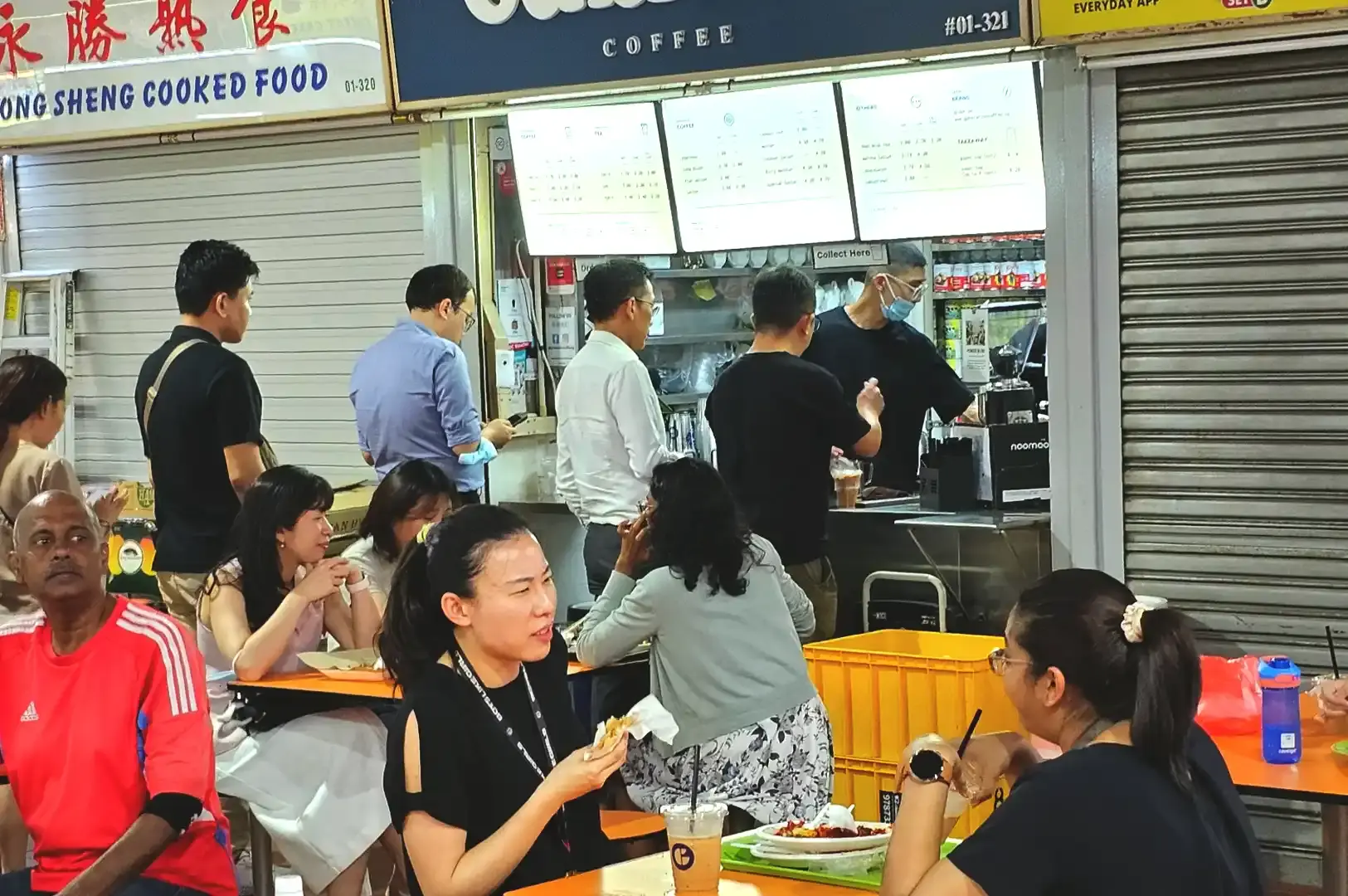
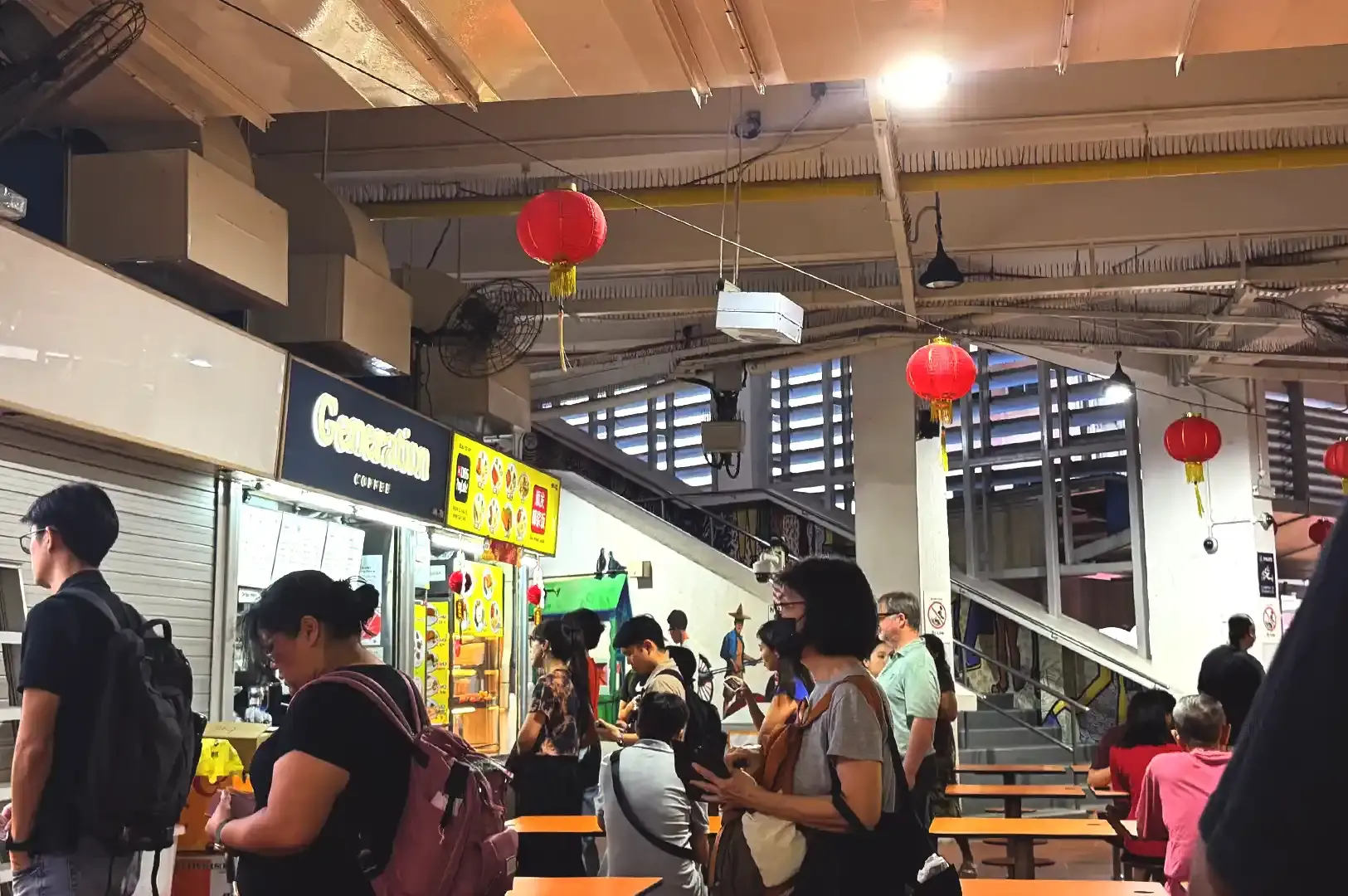
You find Generation Coffee near the entrance of the food centre, in the heart of Little India.
It doesn’t hide. The stall is modern against the older tiles around it, clean lines, coffee grinders on display, that espresso machine catching the light. But it isn’t out of place either. The uncles reading their papers, the aunties with their market bags, the workers grabbing a quick cup before the day swallows them, they all drift past, and some of them stop.
That mix is the whole story here.
On my first visit, the man ahead of me ordered a kopi O in Hokkien. Behind me, someone asked for a flat white. Same counter. Same barista. Nobody blinked.
There’s no seating to speak of, no soft lighting, no playlist, just the clatter of a hawker centre going about its morning, and a small team pulling shots in the middle of it.
The Concept: Bridging Traditional and Specialty Coffee
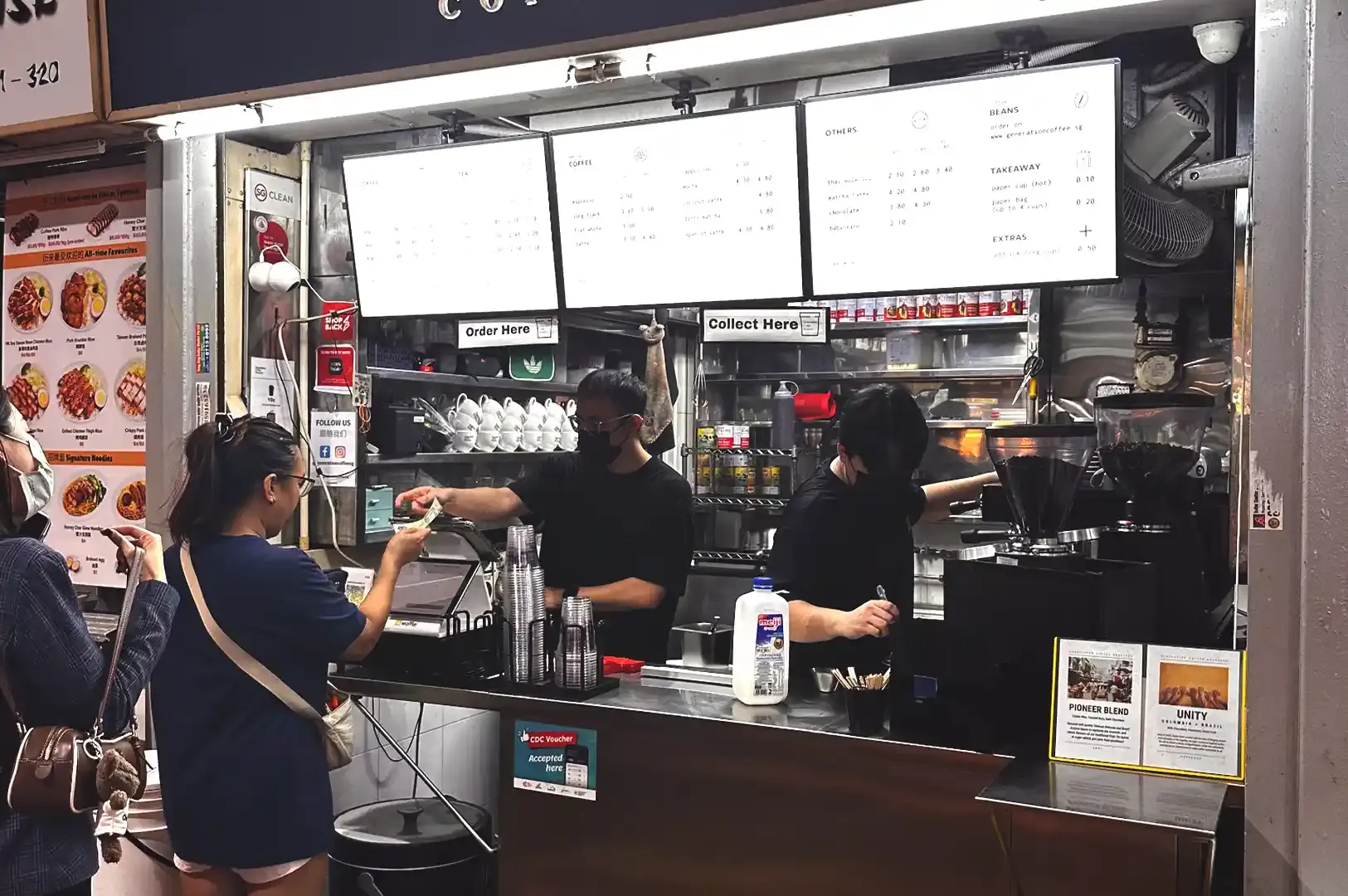
Generation Coffee was started in 2020 by Zender Wong and Kenneth Lim, two former air force engineers who left stable jobs to do this.
The idea is simple, and quietly ambitious. Put traditional coffee and specialty coffee on the same counter. Don’t make anyone choose.
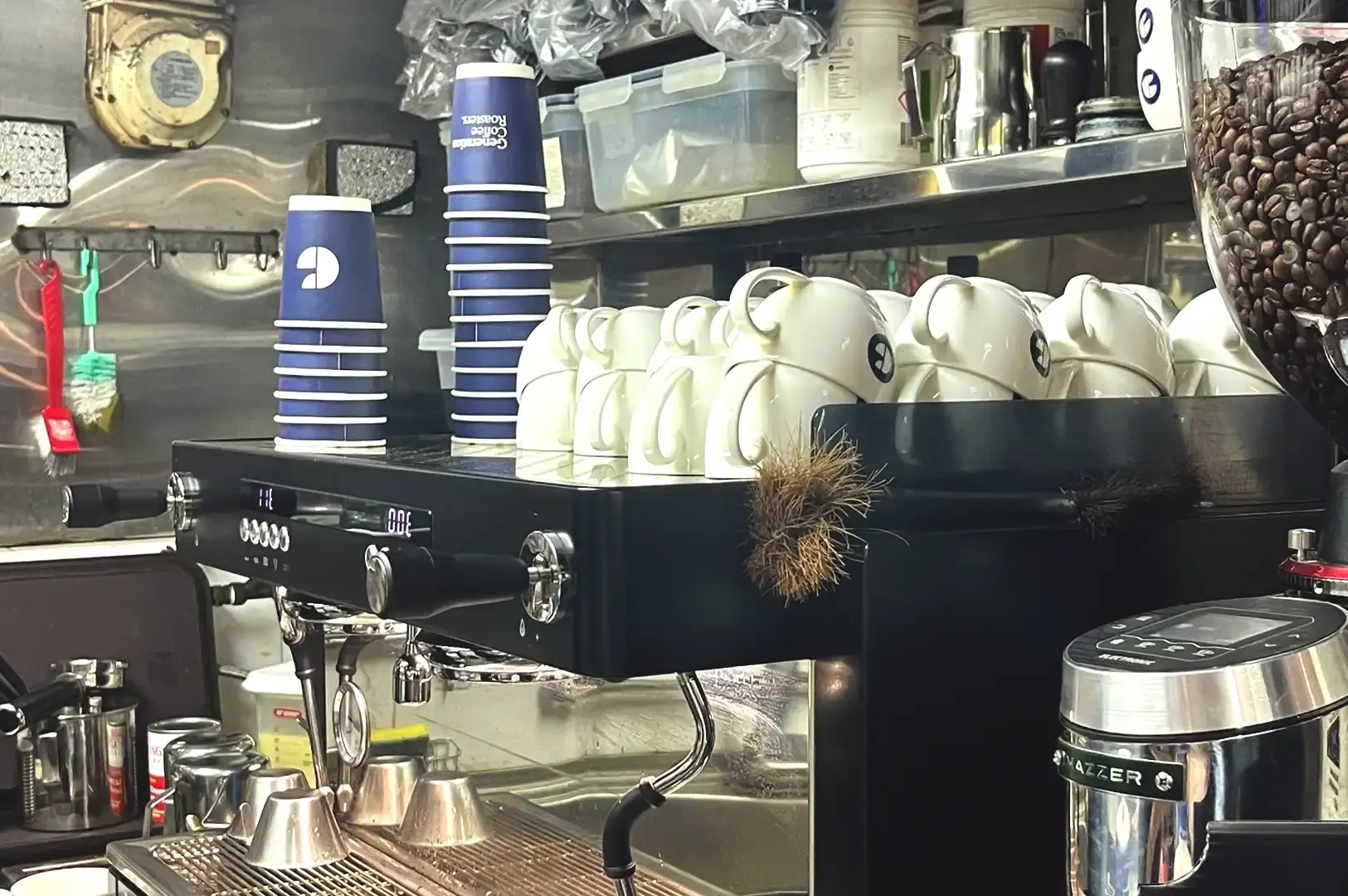
What makes it work is the espresso machine. Every drink here, the kopi included, is pulled through it, not a cloth sock. The founders were open about why: consistency. Traditional kopi shifts with whoever’s making it. They wanted the same cup, every time.
If you care about where Singapore’s coffee is heading, it belongs in the same conversation as the best cafes in Singapore for coffee lovers and bakery enthusiasts, just served from an unlikelier counter.
The Espresso Machine and What It Pulls
Let me talk about the drinks, because this is where the concept either holds up or falls apart.
The latte came clean and full-bodied, the milk steamed properly, a fruitiness underneath from the beans. Cafe-standard, honestly, which makes sense once you learn some of their baristas trained at proper cafes before this. The flat white and cappuccino sit in the same range, both worth ordering hot.
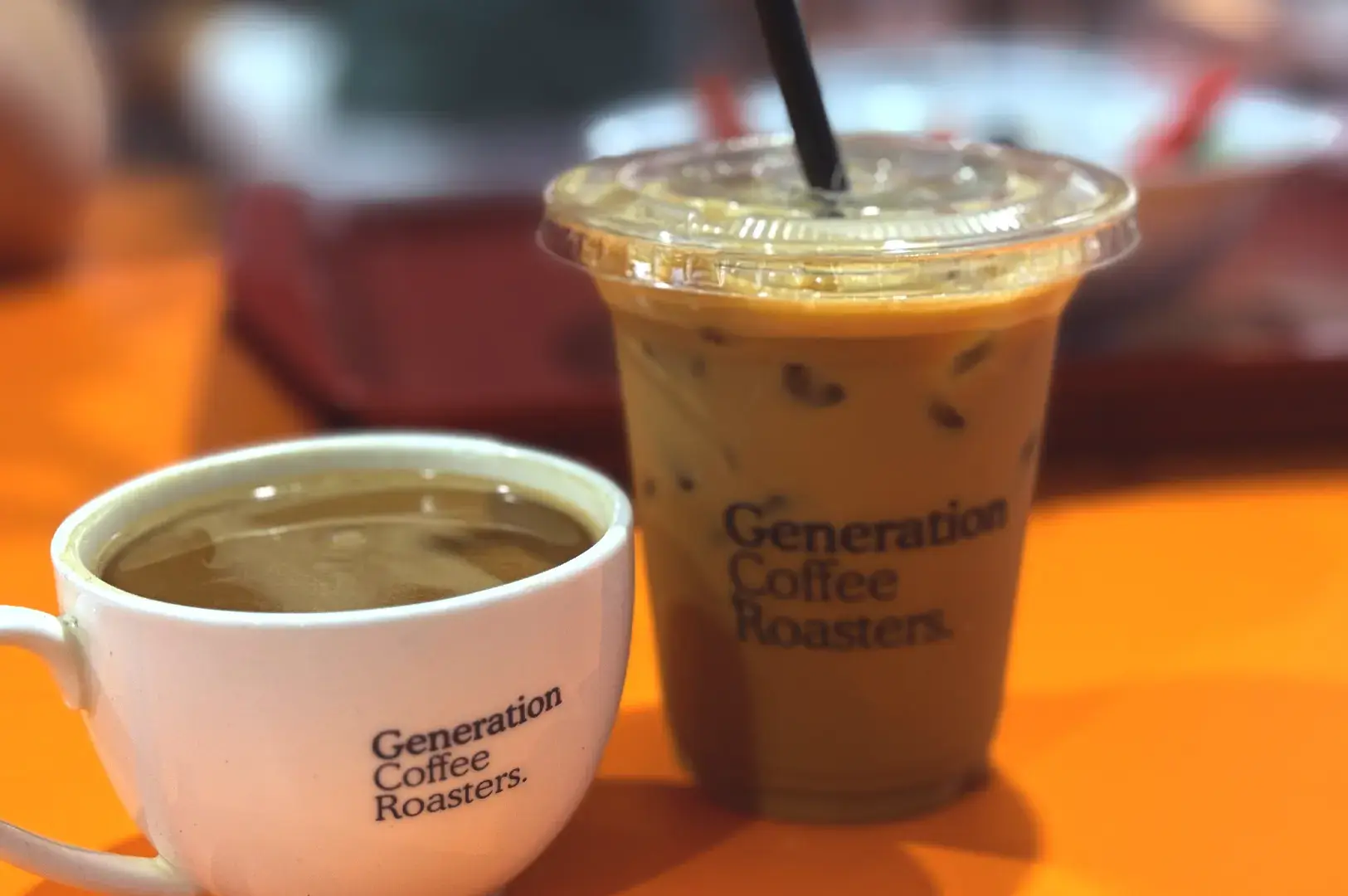
Then the iced kopi, the popular iced version. Sweet, thick, aromatic, and one of their most popular orders for good reason. On a Tekka morning, cold and strong, it does exactly what you want it to.
The drinks don’t taste like a gimmick. That’s the honest verdict. The espresso machine isn’t there for show.
Traditional Kopi at Generation Coffee
This is the section I came for.
Their kopi runs on what they call the Pioneer Blend, a mix of Vietnamese robusta and Brazilian arabica beans, roasted without the sugar and margarine most kopitiam blends lean on. That absence matters. It leaves the coffee cleaner, letting the bean do the talking instead of the caramel-scorched sugar.
Interestingly, the blend includes Indonesian robusta elements as well, adding depth and robustness to the flavour profile.
I ordered a kopi C first. Smoother than the usual hawker cup, more robust, with a chocolatey note and a nutty finish I don’t usually find in a $1.60 coffee. The condensed milk and evaporated milk still do their familiar work, but the coffee underneath is steadier.
One small note. The default came a touch sweet for me. Next time I’d ask for siew dai, less sugar, and let more of the blend through. A kopi O kosong would show it off even better.
Is it still kopi? Yes, just a more careful version of it.
Single-Origin and Specialty Options
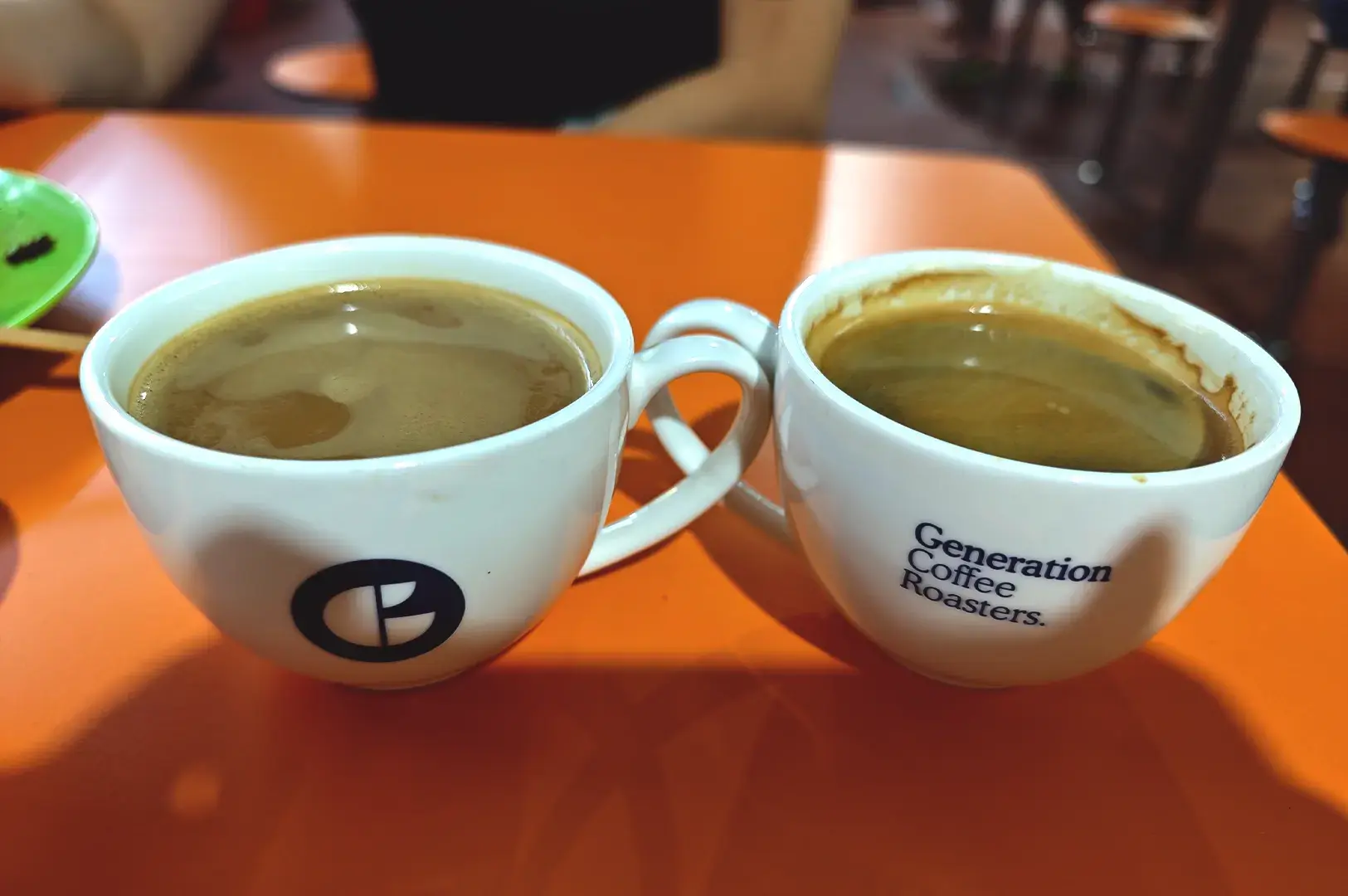
For those who want to go further, Generation Coffee roasts its own beans, including single origin types from Colombia, Ethiopia, and other countries, rotating through origins over time.
The selection changes, I’ve seen Colombian and Ethiopian beans come and go, so what you drink one month may not be there the next. That’s the point. It keeps the specialty side alive for the regulars who want something new.
You can buy the beans too, roasted in-house, if you want to carry the stall home.
Dirty Matcha and the Rest
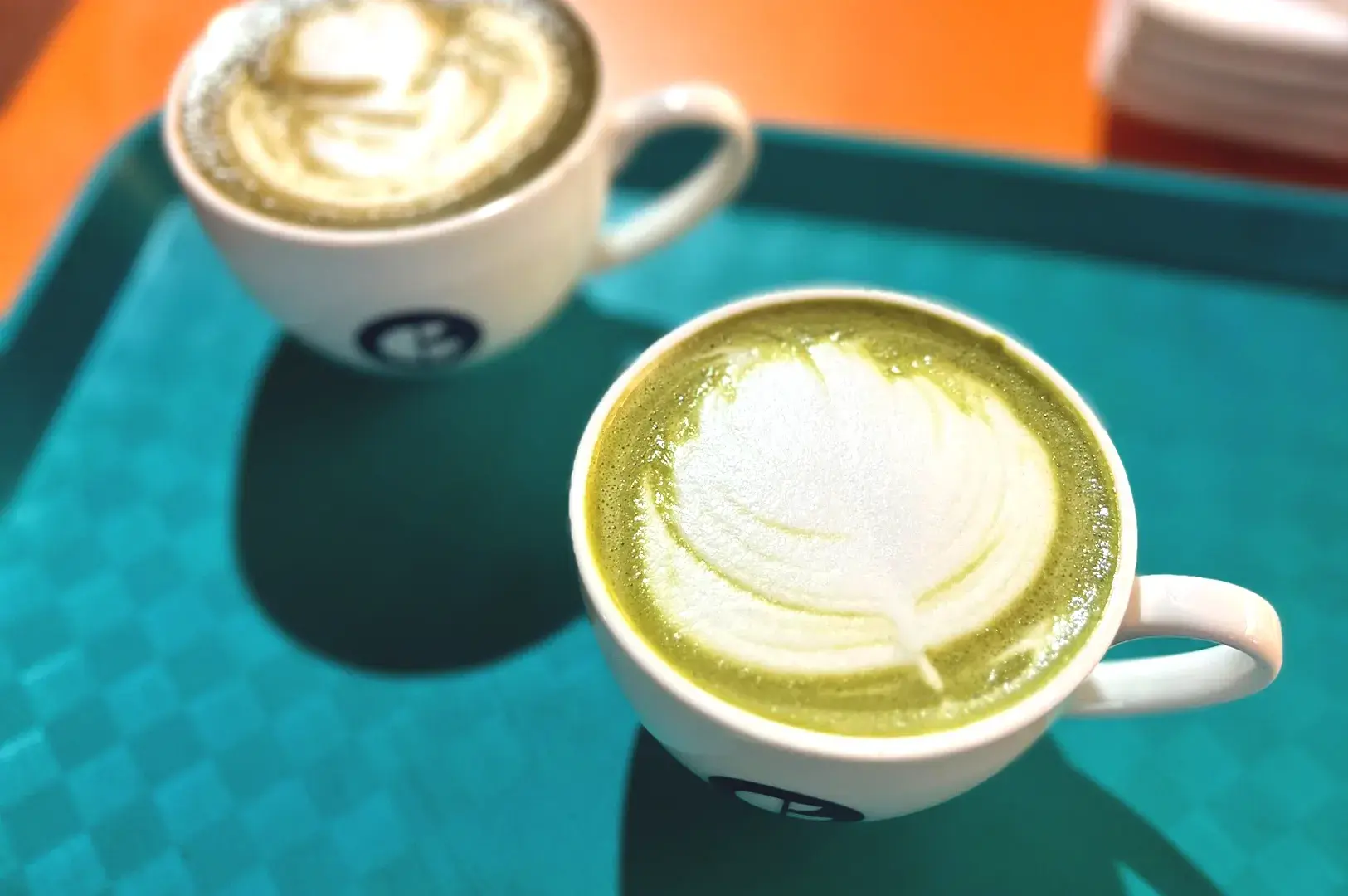
Beyond coffee, there’s a small run of other drinks.
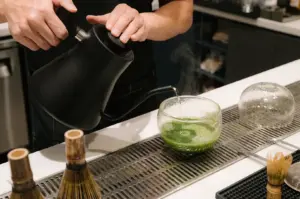
The dirty matcha is the one people talk about, an espresso shot poured into matcha, earthy and creamy at once. It leans a little sweet, and I’d have liked a stronger, more bitter green tea edge. But it works if that’s your thing. There’s a plain matcha latte too, and a few non-coffee options like chocolate for whoever tagged along.
Short version: order it for curiosity, not as the main event.
Service and the Hawker Pace
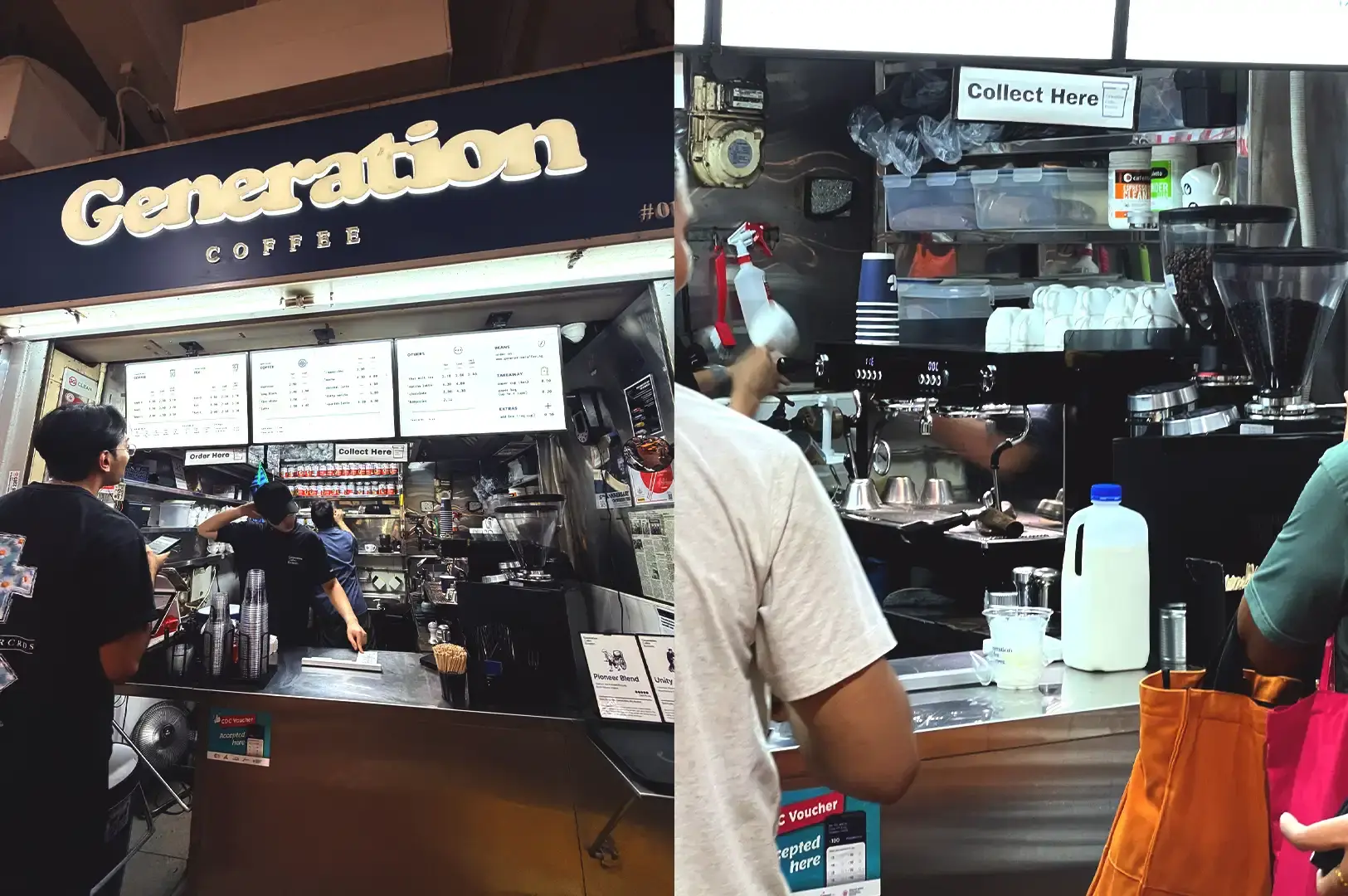
Ordering is quick and unfussy. You queue, you order, you wait a moment while the shot pulls.
Kenneth still helms the Tekka stall daily. The stall is managed by the owners and their trusted baristas, some of whom have experience from established cafes. The guys running the stall are passionate about coffee and connecting with their customers.
Generation Coffee Roasters: Tanjong Pagar and Beyond
What began at Tekka has since grown.
Generation Coffee Roasters now runs several outlets, including generation coffee roasters Tanjong Pagar, Bedok stall at Blk 216, Hong Lim, and Bendemeer. Each sits inside a food centre or hawker setting, keeping the original idea intact rather than chasing a polished cafe format.
Tekka remains the heart of it, though. It’s where the concept was born, and where the older-crowd-meets-specialty mix feels most alive.
Best Time to Visit Generation Coffee Tekka
A few practical notes.
The Tekka stall runs Tuesday to Saturday and closes on Sunday and Monday. It’s closed on Mon and Sun, so plan accordingly.
Hours come in two sessions, an early morning stretch, then a break, then a late-morning-to-afternoon window. Come before the lunch lull if you want to be sure they’re open.
Because hawker centres schedule occasional market washing and cleaning, it’s genuinely worth checking Google Maps before you head down. A wasted trip out to Little India stings.
Who Generation Coffee Is For
A good fit if you’re:
A traditional coffee drinker curious about specialty coffee
A specialty coffee drinker who likes an unpretentious, hawker-centre setting
After genuinely affordable, well-made brews priced fairly for the quality, with kopi prices starting at S$1.50 and specialty coffees from S$2.60
Already exploring Tekka Centre or Little India
Interested in where Singapore coffee culture is going, especially the blending of traditional kopi culture with modern specialty coffee trends
Less suited if you want:
A quiet cafe to sit and linger
Food beyond drinks, this is a coffee stall
A long sit-down brunch
A styled, comfortable cafe interior
Generation Coffee and the Generation Coffee Culture
Meaning: “Generation coffee” means mixing traditional kopi culture with modern specialty coffee styles, which Generation Coffee perfectly represents.
Trend: Younger people, like Gen Z, now care more about health, sustainability, and easy digital ordering when they drink coffee.
Innovation: Generation Coffee follows the Fourth Wave coffee trend, focusing on precise brewing and using new technology.
Respecting History: It also values the First Wave’s goal of convenience and the Third Wave’s focus on good quality and honesty about coffee.
Final Thoughts
I left Tekka with a kopi in one hand and the odd sense of having drunk something familiar and new at once.
My grounded mind, after a few mornings: the kopi is smoother than most, the specialty coffee holds its own against proper cafes, and the whole lot costs a fraction of what you’d pay elsewhere. The dirty matcha is fine. The setting is a working hawker stall; no more, no less.
Would I go back? Yes. F, for the kopi C siew dai I keep meaning to order, pulled from that unlikely espresso machine, in the middle of a market that’s been there far longer than any of us.