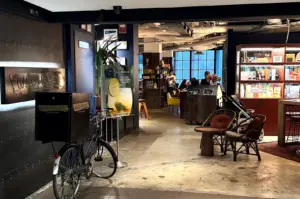

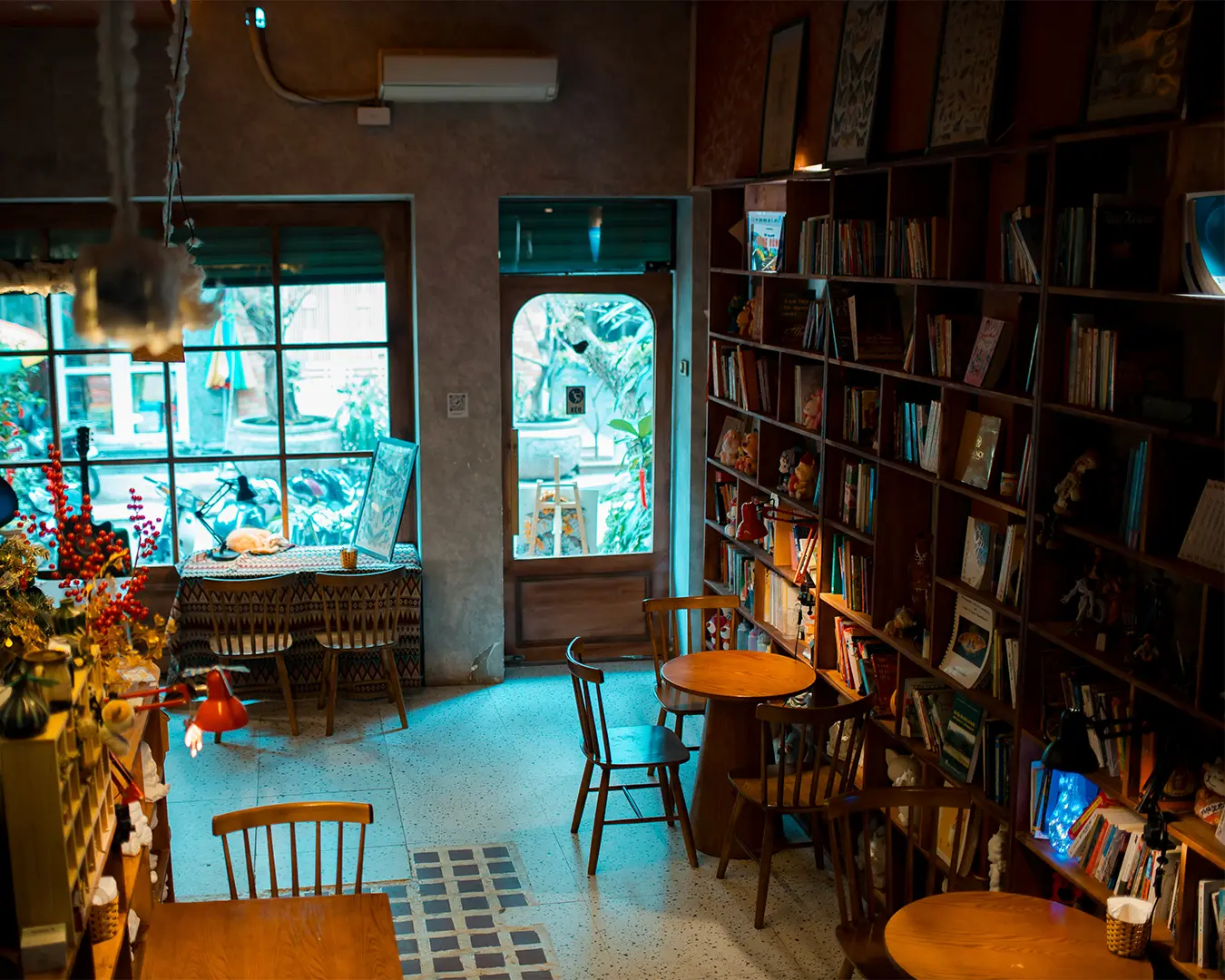
When I first started hunting for the perfect study cafe, I made every rookie mistake. I remember hauling my laptop, notebooks, and chargers into a sunny, aesthetically pleasing cafe on Haji Lane one Saturday morning. I ordered a gorgeous Ethiopian pour-over from the coffee bar, found a small table by the window filled with natural light, and got ready to be productive. Within 45 minutes, the serenity was shattered—the weekend brunch crowd descended, the Wi-Fi slowed to a crawl, there were no power outlets in sight, and the staff kept throwing pointed glances at my half-empty cup. I left frustrated, my coffee cold, and my to-do list untouched.
A great cafe isn’t just about excellent coffee or a beautiful interior—it’s about the perfect balance of comfort, functionality, vibe, and even a productive study environment. After years of trial and error exploring singapore cafes, including hidden gems like Monk’s Brew Club on the east coast and the classic Book Cafe in River Valley, I’ve created this definitive guide to help you find the best cafes for studying in Singapore, whether you’re after a quiet escape for deep focus or a creative buzz to get your ideas flowing.
Finding the Right Study Cafe
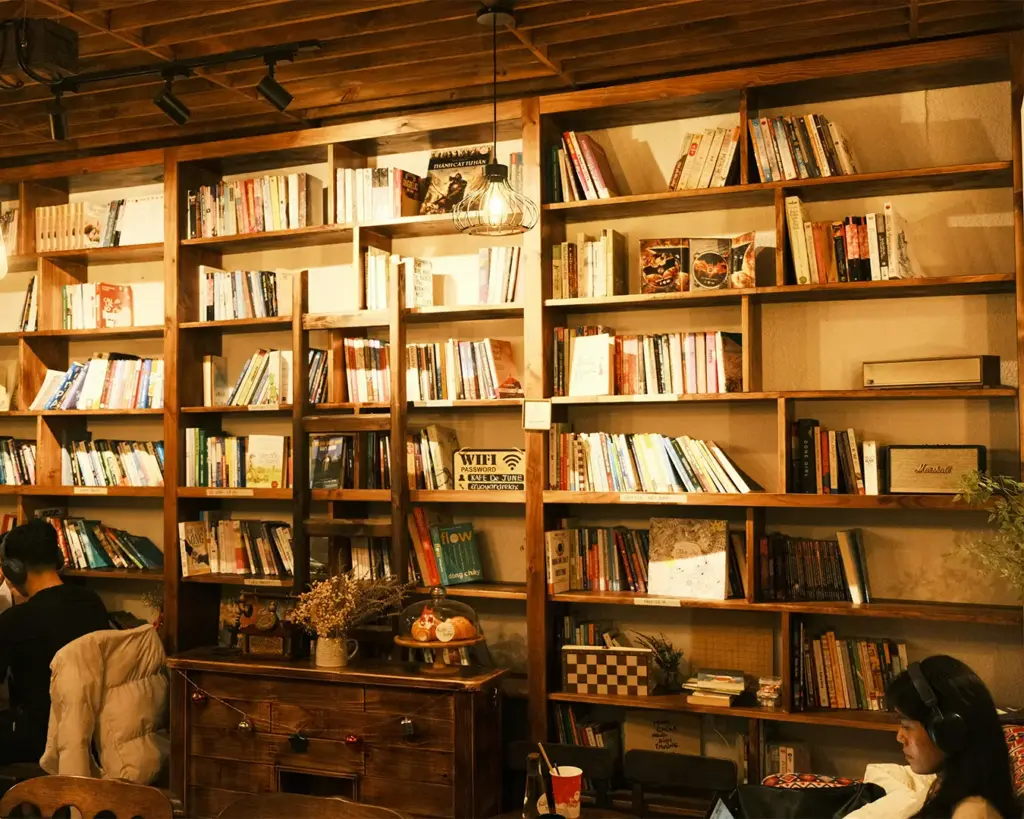
Finding a good cafe that welcomes students, digital nomads, and the office crowd requires a bit of strategy. Follow these steps to avoid disappointment and find your new go-to spot with ample power plugs and a great food menu.
Know Your Study Style at Coffee Bars and Book Cafes
First, understand what kind of environment you thrive in. Your ideal cafe depends on your personal workflow and concentration needs.
For Deep Focus: Need pin-drop silence for complex tasks? Choose quiet cafes in residential areas like Serangoon or Upper Thomson.
Prioritize Essentials at Hidden Gems
Before ordering, I check for these must-haves:
Power Outlets: Essential for long study sessions. I look for seats by walls, communal tables, or co-working spaces where plugs are common.
Wi-Fi Stability: Free Wi-Fi isn’t always reliable. I test the speed quickly before settling in.
Comfortable Seating: I avoid backless stools or low armchairs. Ergonomic chairs and spacious areas with good natural light are my go-to.
Noise Levels: I prefer a soothing background hum over loud kitchen noises.
Pro Tip: I always bring a small extension cord or multi-plug adapter—it’s a lifesaver when outlets are scarce and helps me connect with fellow studiers.
Pick the Right Time to Go to Duxton Rd and Joo Chiat Cafes
Timing is everything. Even the most study-friendly cafe can become a hostile environment during peak hours like lunch time.
Avoid: Weekend brunch (10 AM – 2 PM) and dinner rushes (6 PM – 8 PM) are the worst times to try and get work done. The cafe will be packed, noisy, and the staff will be focused on turning tables quickly. If you are aiming for a satisfying brunch for the day, here is a list of Singapore’s top brunch spots.
Aim for: Weekday mornings (9 AM – 11:30 AM) and late afternoons (3 PM – 5 PM) are the golden hours. You’ll find fewer crowds, a calmer atmosphere, and the staff will be much more relaxed about you occupying a table for a while. Many cafes open early for the early birds, so an early visit can secure you a spot in these popular study spots.
Observe Before You Commit at Coffee Roasters and Other Cafes
Before you unpack your entire setup, take a moment to read the room.
Scan for signs: Look for any explicit notices like “No Laptops During Peak Hours” or “Seating for Dine-in Customers Only.”
Check out the other patrons: Are other people working on laptops? If so, it’s a good sign the café is study-friendly.
Watch the staff: Are they aggressively clearing tables the moment someone finishes their drink? This indicates a high-turnover environment where you won’t be welcome to stay long. If the vibe feels off, it’s better to cut your losses and head elsewhere.
Common Mistakes (And How to Avoid Them) in Singapore’s Best Cafes for Studying
The Overstay Dilemma at Popular Spots like Monk’s Brew Club and Butter TGT
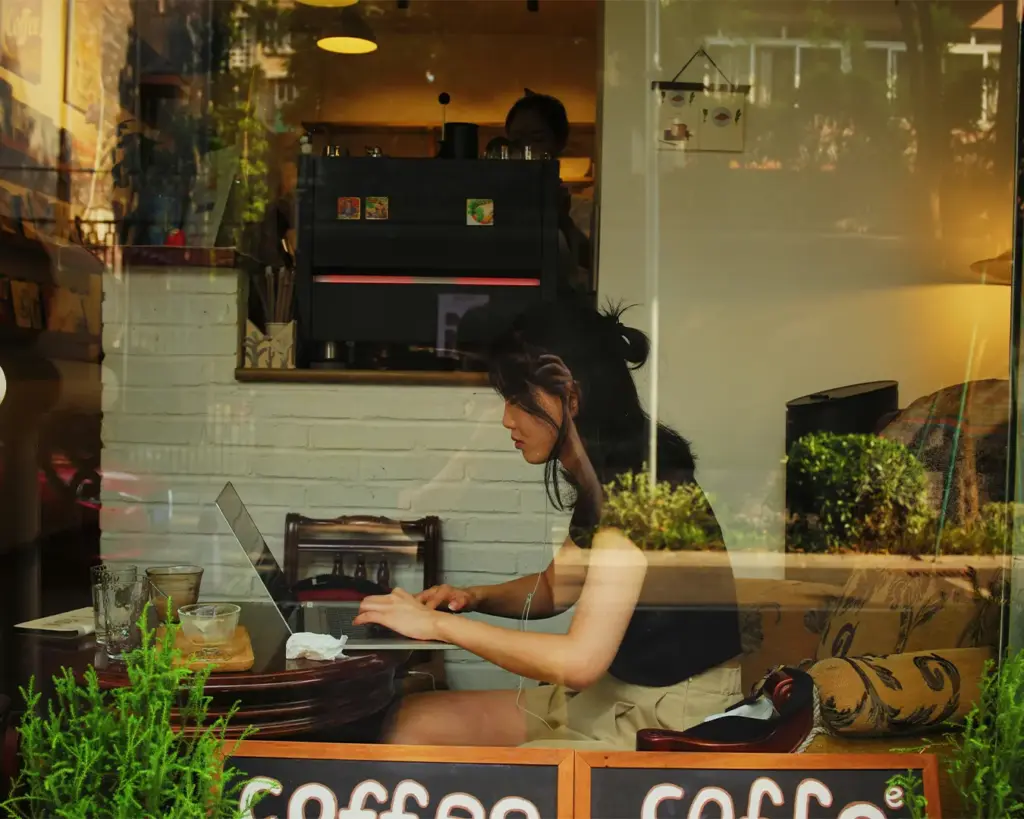
In a space-scarce city like Singapore, you can’t treat a cafe like your personal office. Ordering one iced latte and staying for five hours is poor form and will likely get you some unfriendly stares.
The Fix: Be a patron, not a freeloader. Budget around $10–$20 per visit and make it a rule to order something new every 1.5–2 hours. It could be another coffee, a pastry from the food menu, or a bottle of water. This shows the staff you respect their business and secures your spot.
Choosing Aesthetics Over Function in Coffee Bars and Book Cafes
It’s easy to be lured in by a cafe’s Instagrammable decor, but don’t fall for the trap of choosing beauty over brains. Those tiny marble tables and velvet armchairs are designed for quick coffee dates, not for spreading out your textbooks and laptop.
The Fix: Prioritize function. Look for cafes with spacious communal tables, sturdy wooden booths, or at least a few two-seaters that aren’t crammed together. Areas like Tiong Bahru, home to the famous Plain Vanilla, offer an artistic vibe with more practical spaces, while Bugis and Clementi are hubs for functional, student-friendly spots.
Tip: Always dress for the cold! Singapore cafes are notorious for blasting their air conditioning to arctic levels. Bring a light jacket or cardigan to stay comfortable and focused during your study session.
Cafe Etiquette in Singapore’s Best Cafes for Studying
Being a good café citizen ensures that these valuable study spots remain welcoming to everyone.
Respect Shared Spaces: Don’t hog a four-person table if you’re alone, especially during busier times.
Clean Up After Yourself: Tidy up your crumbs, wrappers, and used tissues before you leave.
Use Headphones: Keep your music, videos, or online meetings to yourself.
Be Mindful of Peak Hours: If you see a line forming at the door, it’s a good cue to pack up and let the café serve waiting customers.
Quiet Cafes in Singapore: FAQ

Are there truly quiet cafes to study in Singapore?
Yes! They are harder to find but they exist. Explore cafés in residential neighbourhoods like Holland Village, Jurong East, or Joo Chiat for a less noisy environment. Investing in a good pair of noise-canceling headphones is also a game-changer for sensitive listeners.
How can I tell if laptops are allowed?
When in doubt, just ask. A polite, “Hi, I’m planning to work for an hour or two on my laptop. Is that okay right now?” goes a long way. The staff will appreciate your consideration.
What if I can’t afford to spend $20 every time I need to study?
Rotate between libraries and cafes to balance your budget while staying productive and enjoying a change of scenery.
Final Thoughts on the Best Cafes for Studying in Singapore
Your perfect study cafe is out there—it just takes a bit of research and observation to find it. Whether you prefer a homely atmosphere at a book cafe, a bustling coffee bar in the city center, or a peaceful place with outdoor seating, once you discover your ideal spot complete with reliable power outlets, good coffee, and a welcoming vibe, it’ll feel like a second home. Be a respectful patron, order thoughtfully from the menu, and enjoy the productive buzz. Happy studying!