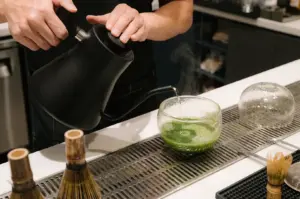
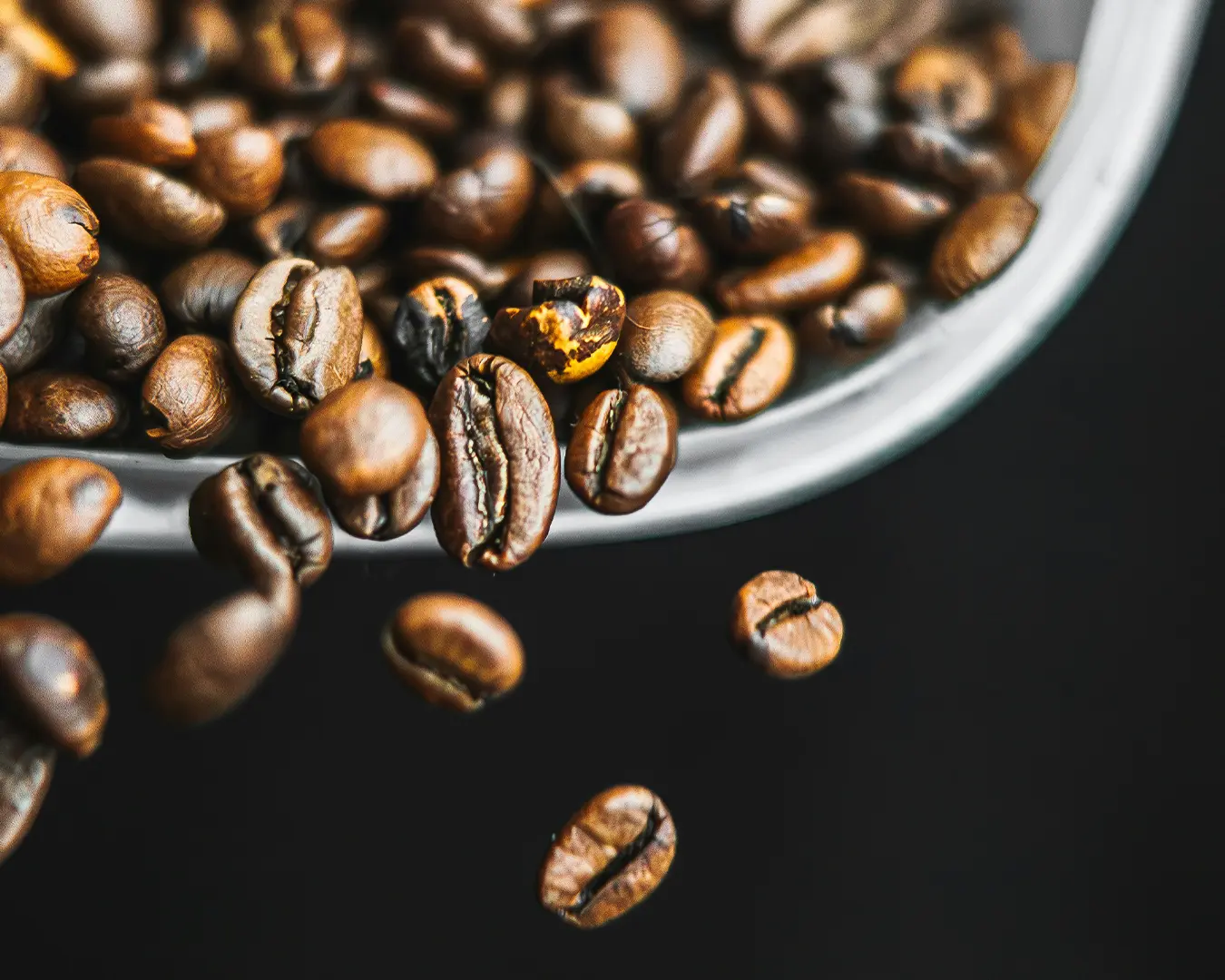
For years, my morning ritual was a quick stop at a local kopitiam for a deeply roasted and fiercely sweet cup of traditional kopi. Then one day, a friend brought me to a quiet, minimalist specialty coffee cafe in Tiong Bahru, a destination for coffee enthusiasts, and ordered me a single origin pour-over from Ethiopia. The liquid looked like tea, and the first sip exploded with bright, fruity notes of blueberry and jasmine.
For many Singaporeans, to order coffee whether at a kopitiam or a specialty cafe is a daily ritual and an integral part of local culture. That moment perfectly captures the rich diversity of coffee in Singapore.
Specialty Coffee Singapore vs. Local Coffee: Core Differences in Beans, Roasting, and Brew
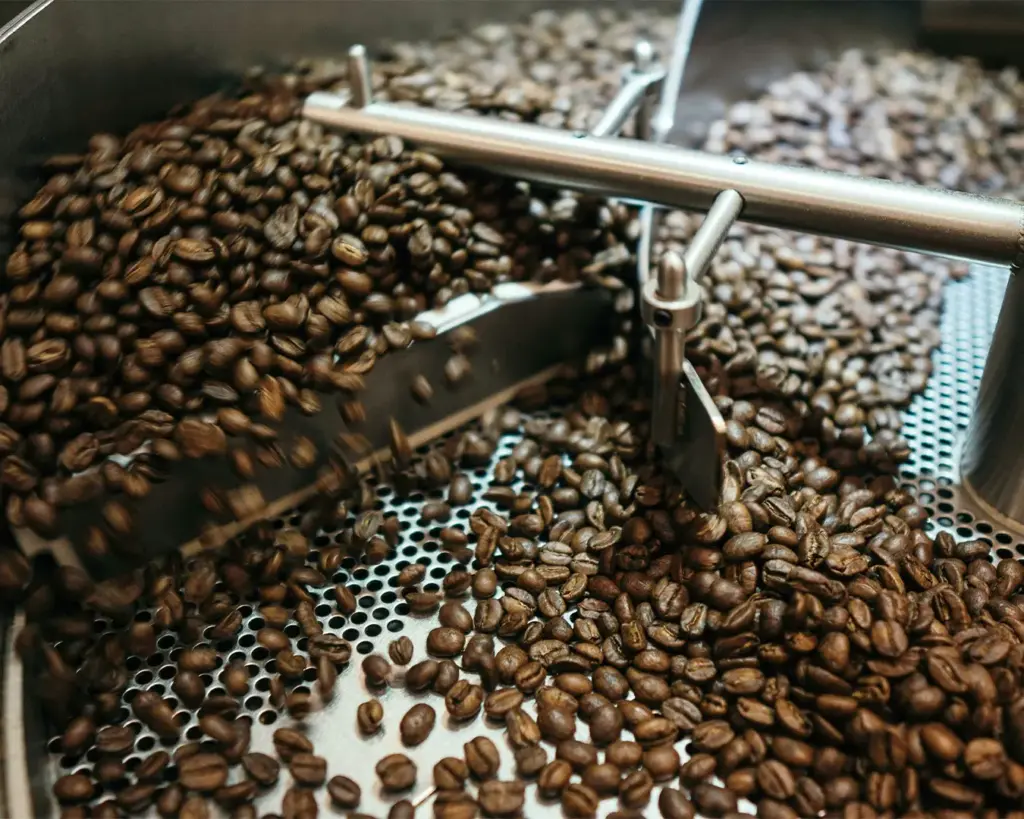
Singapore’s coffee scene blends two worlds: the deeply rooted tradition of local kopi and the vibrant, world-class specialty coffee scene. The price difference, S$2 kopi at a hawker centre versus S$8 specialty coffee at a café, might baffle you, but understanding these differences makes appreciating both a joy.
Traditional Kopi and Kopi in Singapore
Kopi is about comfort and consistency. It’s traditionally made from robusta coffee beans roasted with margarine and sugar, giving it a distinctive, caramelized flavor. Sometimes, a touch of condensed milk is added for richness.
What sets kopi apart:
Brewed through a cloth “sock,” delivering a thick, intensely aromatic cup via wok-roasted beans and a sock-like cotton filter.
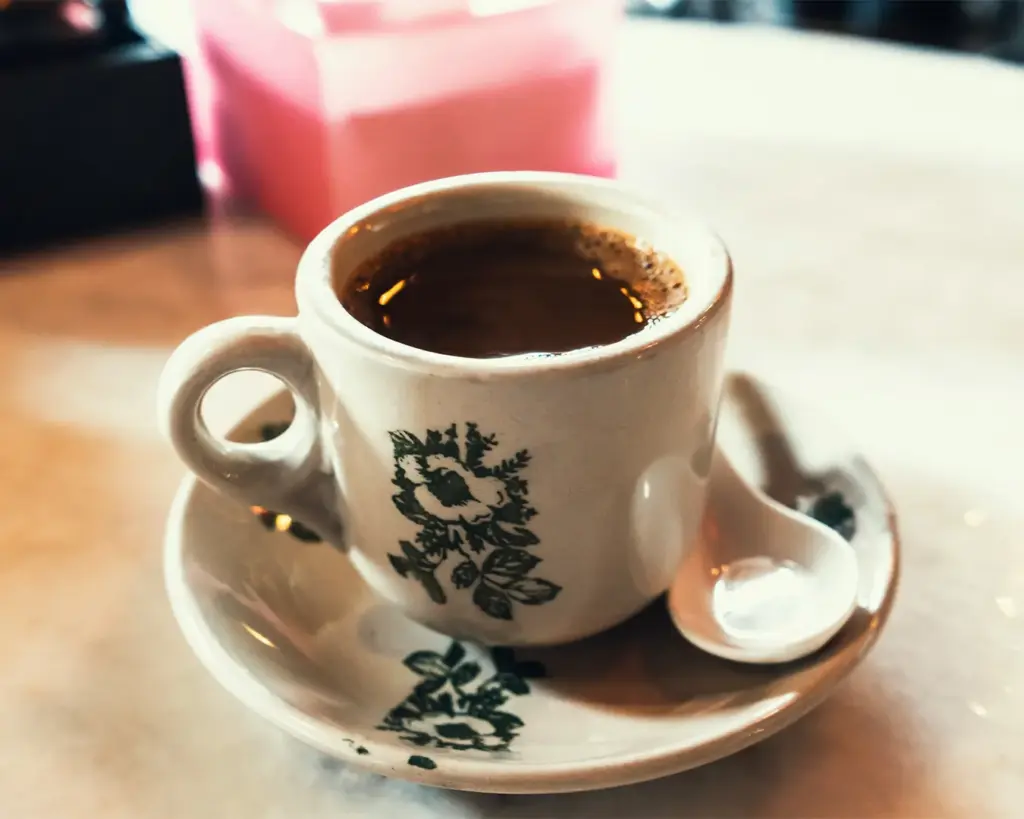
Hot water heats thick white china cups and mixes ingredients for perfect temperature and blend.
Served with evaporated milk or condensed milk kopi.
Paired with local favourites like kaya toast, often layered with cold butter, and charcoal grilled toast.
Enjoyed alongside runny eggs for a classic kopitiam breakfast.
Kopitiams serve as social hubs where locals gather for kopi and breakfast. Kopi is typically served in thick white china cups; for takeaway, ask for ‘tapau’, meaning takeaway in Hokkien. Regular kopi offers a robust, well-balanced coffee experience.
You can customize kopi with modifiers like kopi c kosong or kopi o kosong to adjust sweetness and strength.
Specialty Coffee Singapore: The Art of Coffee Roastery and Brewing
Specialty coffee focuses on quality and unique flavors:
Uses high-quality Arabica beans, often single origin with traceable origins from specific farms.
Roasters like Flip Coffee Roasters and Homeground Coffee Roasters roast their own beans in small batches.
No margarine or sugar in roasting, just pure bean flavor.
Flavor notes range from chocolate and berry to citrus and floral aromas.
Brewing methods include precise espresso machines and pour-over techniques, often with a frothy top on espresso drinks.
Menus showcase coffee blends and single origin beans, with favourites like flat whites and filter pour-overs.
Many specialty cafes serve excellent breakfast items, pastries, sandwiches, and teas, rounding out the café experience.
Flip Coffee Roasters and Homeground Coffee Roasters: Leading Coffee Roastery Examples
Flip Coffee Roasters is a standout in the specialty coffee Singapore scene, known for sourcing and roasting exceptional beans with sustainable practices. They offer unique blends and single origin beans that coffee lovers rave about.
Similarly, Homeground Coffee Roasters pairs specialty coffee with tasty breakfast options, serving drinks like kopi c, iced coffee, and kopi gah dai. Their minimalist café and focus on quality have made them a beloved part of Singapore’s coffee scene.
How to Order Kopi and Specialty Coffee in Singapore
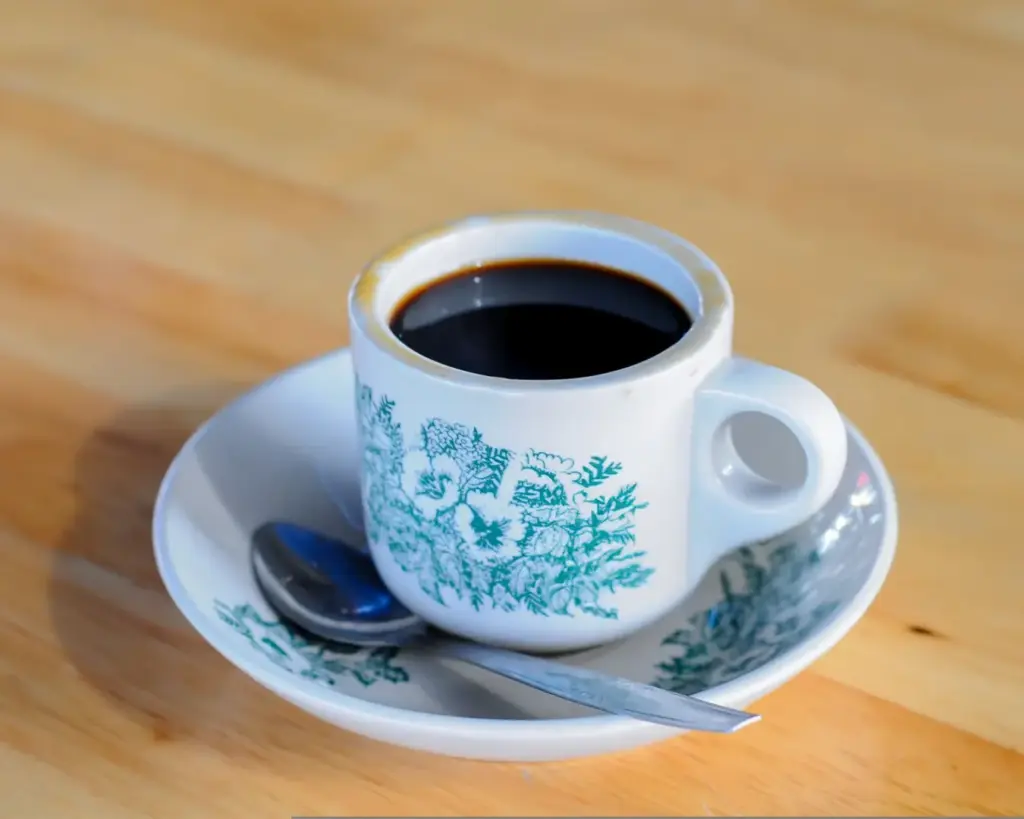
Want to order kopi like a pro? Learn terms like kopi c kosong (coffee with evaporated milk but no sugar), kopi o kosong (black coffee without sugar), kopi siew dai (less sugar), and kopi gah dai (extra strong coffee). To order kopi like a local, use terms such as ‘kopi o’ for black coffee, ‘kopi c’ for coffee with evaporated milk, and ‘kopi kosong’ for coffee without sugar or milk. These help you get the perfect mix of sugar and milk. For takeaway, kopi is often served in a plastic bag, raising concerns about food safety and environmental impact.
For specialty coffee, menus list the coffee beans’ origin and roast date. Ask baristas about their own beans and blends. Love milk-based drinks? Start with a flat white. For pure coffee, try a filter pour-over.
Curious? See our guide to specialty coffee and kopi coffee in Singapore.
Embracing Both Coffee Cultures in Singapore
Singapore’s coffee scene blends tradition and innovation. Whether craving the sweet familiarity of kopi with sugar and condensed milk or the complex flavors of specialty coffee, both offer excellent coffee experiences.
Pair kopi with kaya toast and charcoal grilled toast for a true local breakfast, or enjoy pastries and sandwiches at specialty cafes. From kopi c kosong to iced coffee with a frothy top, options are endless and delicious.
Next time you need a pick-me-up, try both, order kopi o at a hawker centre, then visit a specialty coffee shop for a single origin espresso. Your palate will thank you.
For those who want to better understand coffee culture in Singapore, explore how tradition and coffee brewing techniques come together in the local scene.
The Future of Coffee in Singapore
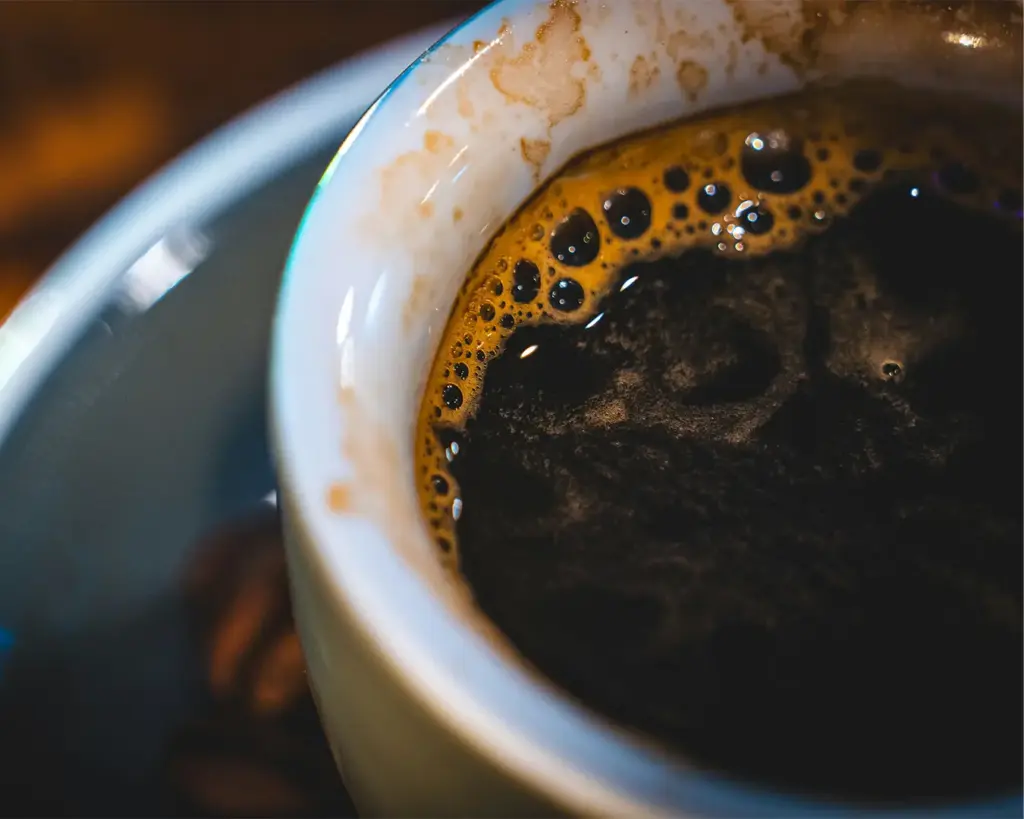
Singapore’s coffee landscape is evolving excitingly, with roasters focusing on bean origins and perfect roast profiles. PPP Coffee and Homeground Coffee Roasters offer experiences where you taste the terroir and vibrant flavors. Their direct trade commitment transforms each cup, creating coffees that awaken the palate.
Traditional kopi remains strong. At hawker centres, kopi uncles blend robust, darkly roasted beans with creamy sweetness. Some cafés elevate kopi’s caramel notes with single origins or reimagine kopi o kosong peng with bright, chocolatey beans, like tasting childhood memories anew.
Singaporeans are becoming coffee explorers, curious about extraction, grind sizes, and bean differences like natural Ethiopian versus washed Guatemalan. Whether preferring subtle sweetness or bold comfort, options are endless. Brewing methods tell stories, from kopi’s warm embrace to meticulous pour-overs revealing new notes. Singapore’s coffee future tastes like curiosity and tradition dancing deliciously together.
Frequently Asked Questions
What is the difference between kopi c and kopi c kosong?
Kopi c has evaporated milk and sugar, while kopi c kosong has evaporated milk but no sugar, letting you control your sweetness level.
Why is kopi gah dai so popular in Singapore?
Kopi gah dai is made extra strong with more coffee beans, delivering a robust flavor and higher caffeine content, perfect for those who need a serious kick.
Can I order kopi to go in Singapore?
Absolutely! You can order kopi tapau to go, but takeaway kopi is often served in a plastic bag, raising concerns about food safety and environmental impact due to the scarily carcinogenic nature of some plastics.
The Perfect Blend: Specialty Coffee and Local Kopi in Singapore
Singapore’s coffee culture is rich and diverse. Coffee shops and roasters like Flip Coffee Roasters and Homeground Coffee Roasters champion the specialty coffee movement, while traditional kopi remains a beloved staple at hawker centres and kopitiams.
By learning how to order kopi and appreciating specialty coffee’s craft, you can enjoy the best of both worlds, excellent coffee, rich local flavors, and global specialty coffee experiences. Whether it’s kopi black coffee with condensed milk or a carefully brewed single origin espresso, Singapore’s coffee scene has something for every coffee lover.