

The first time coffee turned on me, I was standing in a hawker centre queue with an iced kopi in one hand and a growing knot in my stomach.
I loved coffee. Still do. But somewhere in my late twenties, my morning cup started giving something back I hadn’t ordered, a slow burn, a sourness that lingered past lunch. I did what most coffee lovers do. I blamed the acid. I started reading labels. I chased the promise of “low acid coffee” like it was a cure.
What I found was messier, and more interesting, than any label let on.
So this is me passing that on to you, not as an expert on a podium, but as someone who spent too long confused about a drink I drink every day. Let’s talk honestly about acidity in coffee, what the science actually says, and what you can do about it.
What “Coffee Acidity” Actually Means
Here’s the thing that took me embarrassingly long to understand: acidity in coffee means two completely different things depending on who’s talking.
Chemical acidity is the measurable kind. It’s about the pH level and the actual acids in your cup. Brewed coffee is mildly acidic — one study of commercial brewed coffees found regular coffees ranging from about pH 4.95 to 5.99, with decaf samples sitting around pH 5.14 to 5.80. For reference, water sits at 7. Coffee is nowhere near battery-acid territory, no matter what the marketing implies.
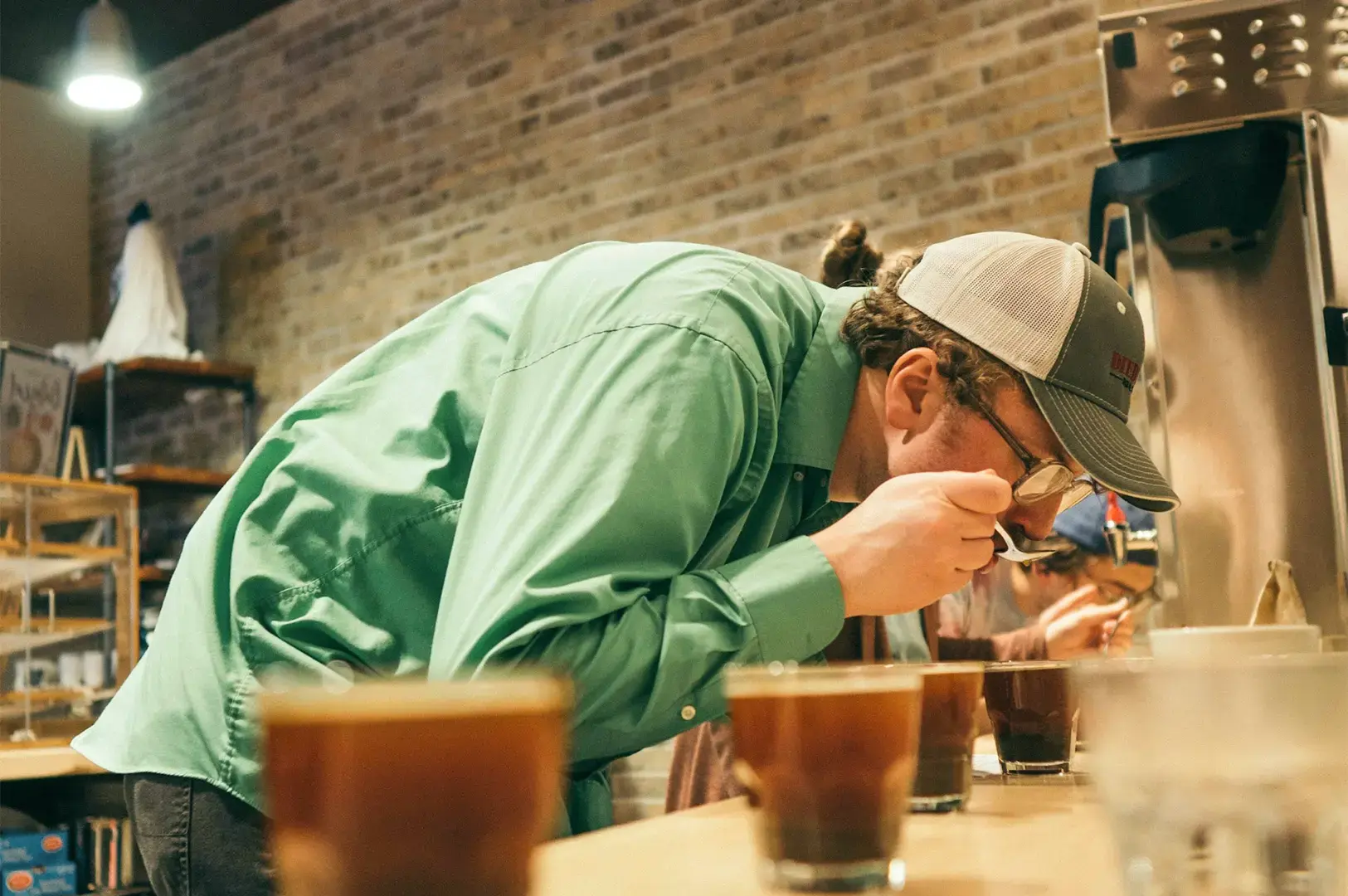
Sensory acidity is a different animal entirely. When a barista describes a coffee as bright, fruity, or lively, they’re praising it. That’s the pleasant sharpness that makes a good light roast sing.
I think this is where most of us get tripped up. A coffee with beautiful sensory acidity isn’t necessarily the one that upsets your stomach. And a coffee that troubles you might not even be the sharpest on the shelf.
Insider knowledge: When a specialty cafe says a coffee has “juicy acidity,” they mean it tastes good, not that it’ll burn. Don’t let flavour notes scare you off a cup.
What Makes Coffee Acidic in the First Place
Coffee is not one acid. It’s a whole cast of compounds working together.
Your cup carries natural acids, chlorogenic acids, caffeine, trigonelline, N-methylpyridinium, and more. Chlorogenic acids especially shape flavour profile, bitterness, and that antioxidant quality people talk about. Laboratory research has shown different coffee compounds can affect the stomach in different ways, some appear to stimulate gastric acid production, others seem to counteract it.
Which is exactly why “coffee acid causes stomach problems“ is too simple. It’s the whole beverage, not just the pH.
Several factors decide where your cup lands: the coffee grounds themselves, how they’re roasted, and how you brew. Change any one, and you change the cup.
Do Darker Roasts Really Mean Less Acid?
This is the myth I believed longest. Order the darkest roast, avoid the trouble. If only.
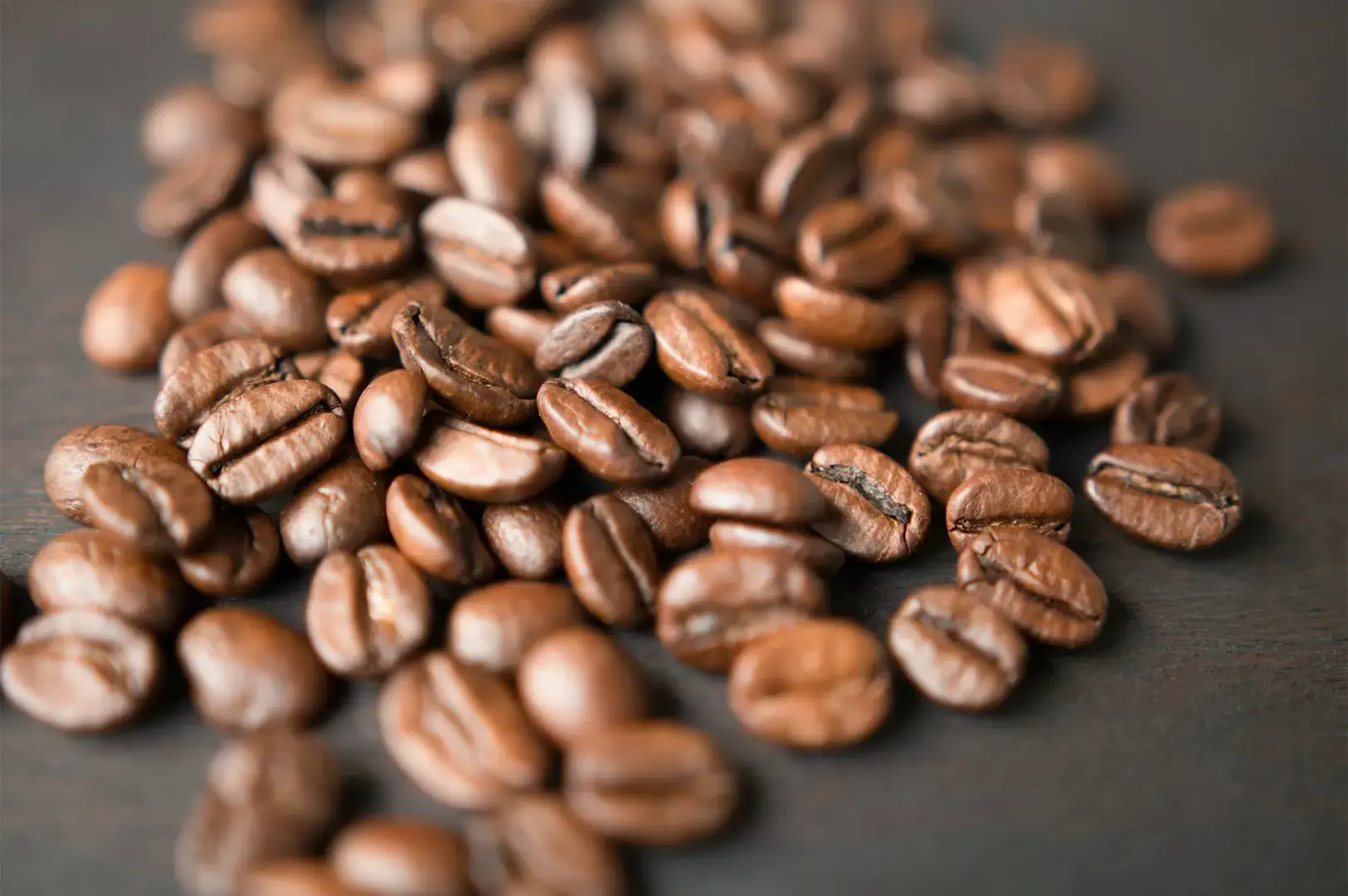
Roasting genuinely changes coffee chemistry. Research comparing a medium and a dark roast found the dark roast had lower chlorogenic acids, lower trigonelline, and higher N-methylpyridinium, with similar caffeine. In a small study of nine healthy volunteers, that dark roast stimulated stomach acid production less than the medium roast.
So there’s something real here. But the researchers themselves said more study was needed, and nine people is a small room.
What I’ve found is that dark roast beans may be gentler for some of us, but “dark roast equals no acid” is a promise the science doesn’t make. Light roasts aren’t villains, either. Plenty of people with sensitive stomachs do just fine on them.
Dark roasted beans have a pH level between 5.2 and 5.6, which is higher than lighter roasts, meaning they are less acidic. This can make a huge difference for those who experience stomach irritation.
Cold Brew and Lower Acidity
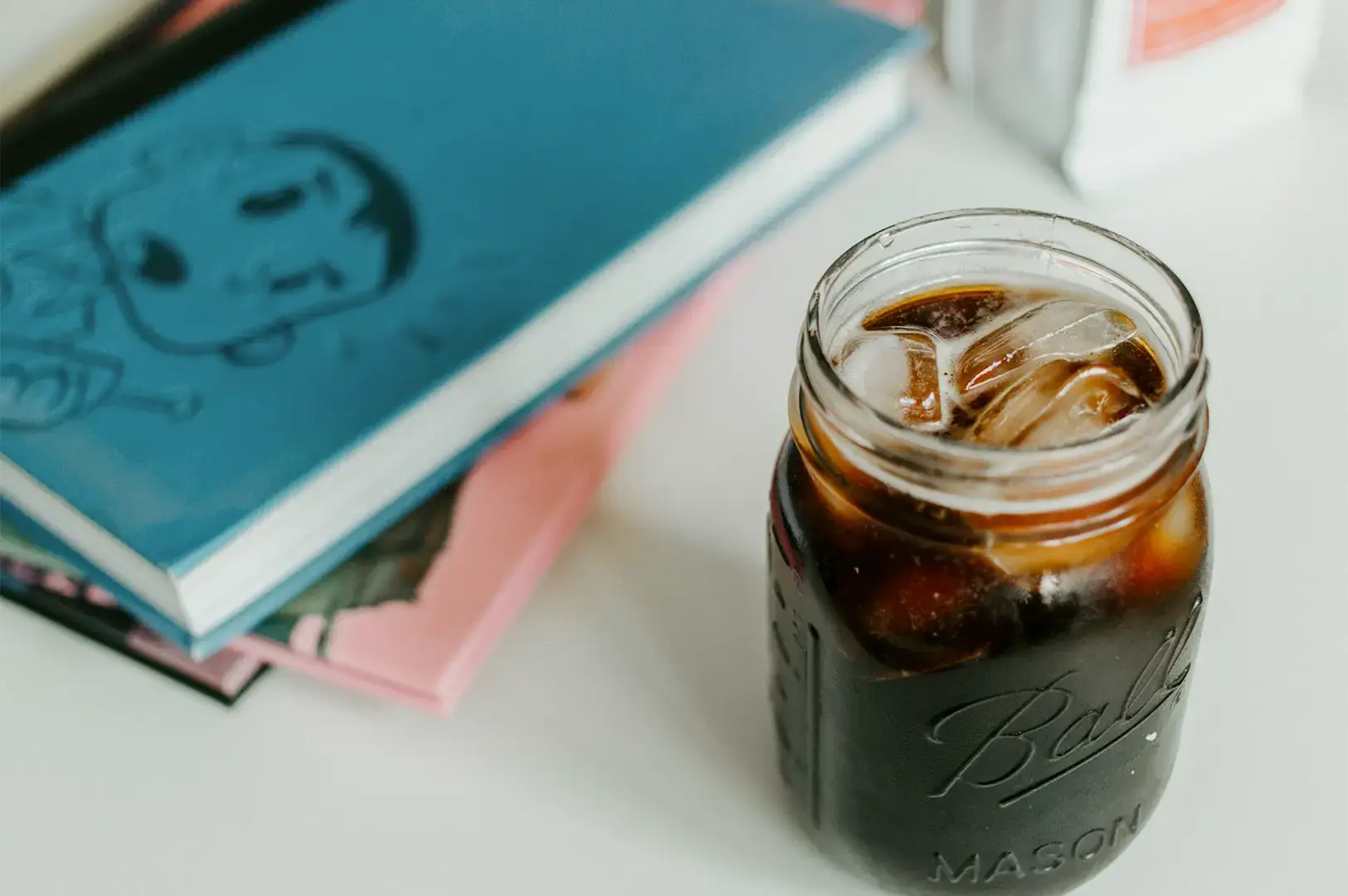
If one thing changed my mornings, it was cold brew coffee.
The research backs the instinct. A 2023 study comparing immersion cold brew to French press hot coffee found cold brew had a higher pH and lower titratable acidity, around pH 5.38 for cold brew versus 5.18 for hot brew in that experiment.
Lower titratable acidity, in plain terms, often means a rounder, less sour cup with a unique flavor profile. Cold brew tastes smoother to me, and it sits easier.
But, and this matters, cold brew is not acid-free. Recipes vary enormously: grind size, temperature, brew time, ratio, and whether you’re using Arabica or Robusta. One study found Robusta cold brews leaned bitter and astringent, while Arabica showed more acidity and sour notes. So “cold brew has zero acidity” is simply wrong.
Pro tip: If you’re making cold brew at home for a sensitive stomach, reach for a medium-to-dark Arabica, a coarse grind, and a long steep. Then taste, and adjust from there. There’s no single perfect recipe.
Brewing Methods and Brew Time That Change Your Cup
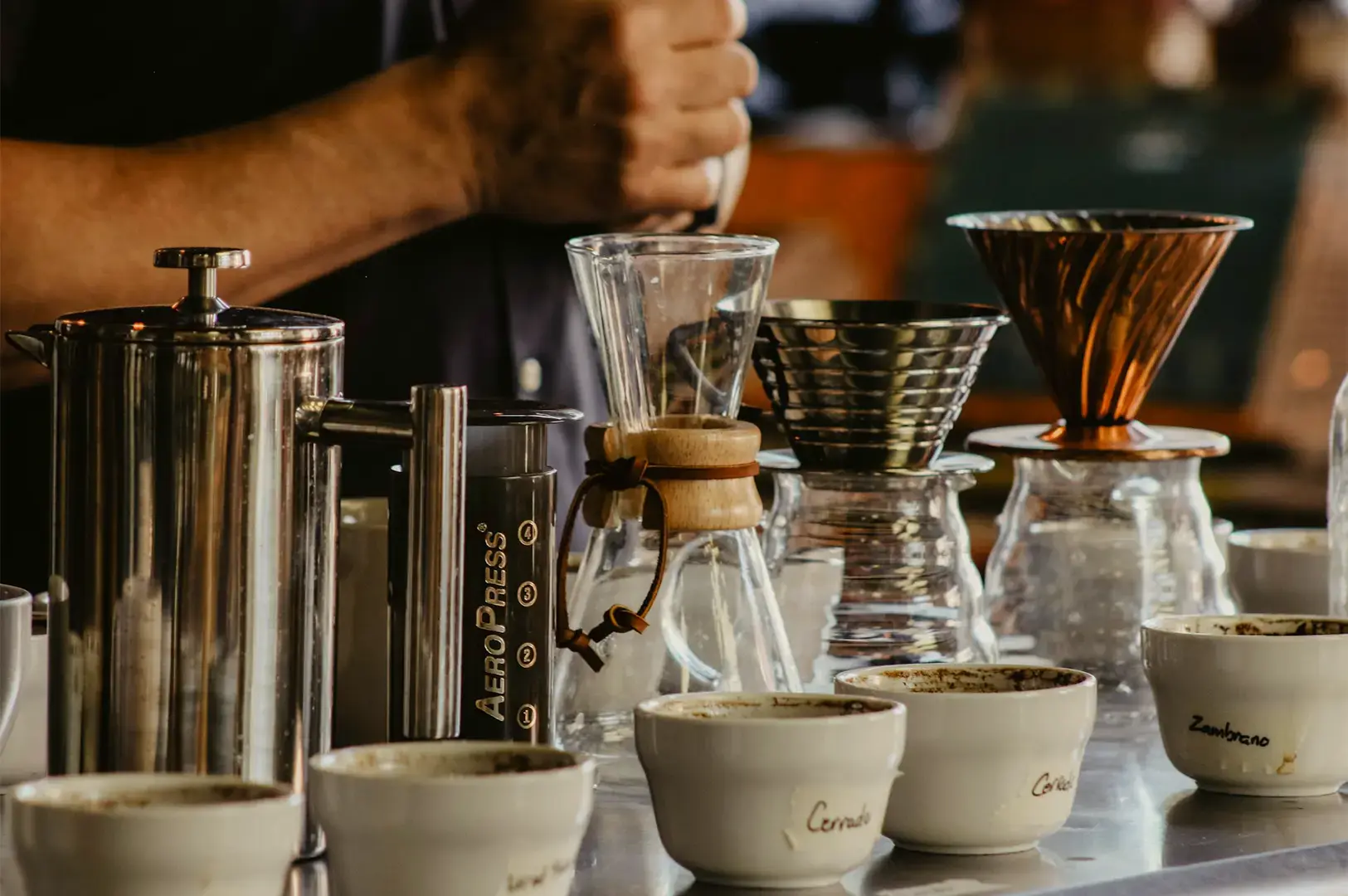
The brewing process does more heavy lifting than most people realise.
Grind size, brew time, water temperature, and coffee-to-water ratio all shift how much you extract and how the acids in coffee land. Finer grinds pull more out. Higher temperatures extract harder. Longer brews change the whole composition.
A cold brew study found that finer grounds at cooler temperatures extracted more compounds than coarser grounds at even cooler temperatures, small changes, real differences.
Paper filters play a key role too. They catch some of the oils, giving you a cleaner cup than, say, a French press, which lets everything through. Paper filters remove 20-30% more acidic compounds than metal filters, which can reduce acidity significantly.
I’ve messed this up plenty. My worst habit was grinding too fine and brewing too hot because I was impatient in the morning, a reliable recipe for a harsh, over-extracted cup that I’d then blame on the beans. A coarser grind and cooler water genuinely made a big difference.
Does Coffee Cause Acid Reflux?
This is the question that sent me down the rabbit hole, so let me be careful with it.
The honest answer is: it’s complicated, and probably not the way you fear.
A large 2026 systematic review and meta-analysis pulled together 40 studies and 122,074 participants. It found coffee drinkers had a slightly higher rate of GERD, 34.9% versus 30.7% in non-users. Statistically real, yes. But the authors themselves called the clinical significance of that difference unclear.
Even more telling: when they looked at people drinking one or more cups a day, that group didn’t show a significant association with GERD compared to lighter drinkers. And they found no meaningful link between coffee and Barrett’s oesophagus.
Their conclusion stuck with me. The idea that everyone with reflux should quit coffee needs more evaluation. Management should be individual.
So instead of “coffee causes acid reflux,” the truer line is: coffee may aggravate heartburn in some people, but there’s no simple rule for everyone. You are not everyone. You’re you, and your own response is the data that matters most.
If reflux is a real, ongoing concern for you, please talk to a healthcare provider rather than an internet stranger with opinions about grind size.
Practical Ways to Reduce Perceived Acidity
Here’s what I’d actually suggest, based on trial, error, and a fair bit of wasted coffee grounds.
Try cold brew. Lower titratable acidity under the right conditions, and honestly the easiest win.
Experiment with roast. Dark roast beans changed my mornings, but test it yourself rather than assuming.
Coarser grind, cooler water, patient brew. Less harsh extraction, gentler cup.
Switch beans. Origin and species matter. Some Sumatran coffees are famously low in perceived acidity.
Consider adding milk or plant-based alternatives. Whole milk rounds out sharpness and softens perceived acidity. It changes how the cup tastes, but it doesn’t erase the acids, and it isn’t a cure for heartburn.
Use hard water for brewing. Hard water creates a smoother, less acidic brew by neutralizing some acids in coffee.
And baking soda? I know the trick, a pinch of alkaline powder in your grounds. The chemistry is understandable, but I won’t recommend it as a fix. Too much makes coffee taste genuinely awful, and adjusting a drink is not the same as treating a medical condition.
Pro tip: If you love a strong black coffee or espresso but it bites back, a splash of milk costs you nothing to try first. Small change, honest test.
Coffee Types in Singapore: Kopi and Specialty
Here’s where it gets close to home.
We drink two kinds of coffee here, really. There’s traditional kopi, kopi O, kopi C, iced kopi, usually darker-roasted, often carrying sugar, condensed milk, or margarine-roasted beans. And there’s the newer specialty scene, all light roasts, single origins, filter, and cold brew.
It’s tempting to assume old-school kopi is harsh and specialty coffee is gentle, or the other way around. But acidity doesn’t split that neatly. A dark kopi and a light-roast pour-over can surprise you both ways. Bean, roast, and brew decide the cup, not the category it belongs to.
I’ve had a smooth kopi from an unremarkable coffeeshop that sat easier than a fancy flat white. Go figure. If you want to keep exploring the local scene, Best Cafe Singapore is a good place to wander through.
Common Myths About Acidity in Coffee
What people say | What the research supports |
|---|---|
“Coffee is extremely acidic.” | It’s only mildly acidic; pH varies between coffees. |
“Dark roast has no acid.” | Roasting changes acid-related compounds but doesn’t eliminate them. |
“Cold brew has zero acidity.” | Often lower in titratable acidity, but still acidic. |
“Adding milk removes coffee acid.” | Not established; milk mainly changes taste and texture. |
“Coffee definitely causes GERD.” | A small association overall, with unclear clinical significance. |
“Everyone with reflux must quit coffee.” | Not supported as a universal rule; manage it individually. |
“Low acid coffee is automatically better.” | A gentler cup isn’t a guaranteed fix for symptoms. |
One Last Cup

I still drink coffee every day. I just drink it differently now.
What all that reading taught me wasn’t a magic bean or a perfect recipe. It was patience, with the brew, and with myself. Coffee acidity is real, but it’s mild, complicated, and deeply personal. The cup that troubles your friend might sit perfectly fine with you.
So experiment gently. Try the cold brew. Change the grind. Notice how your own taste buds and stomach answer. And if something consistently hurts, listen to that, and check with a doctor if you need to.
The goal was never to fear your morning coffee. It was to keep enjoying it, one honest cup at a time.