

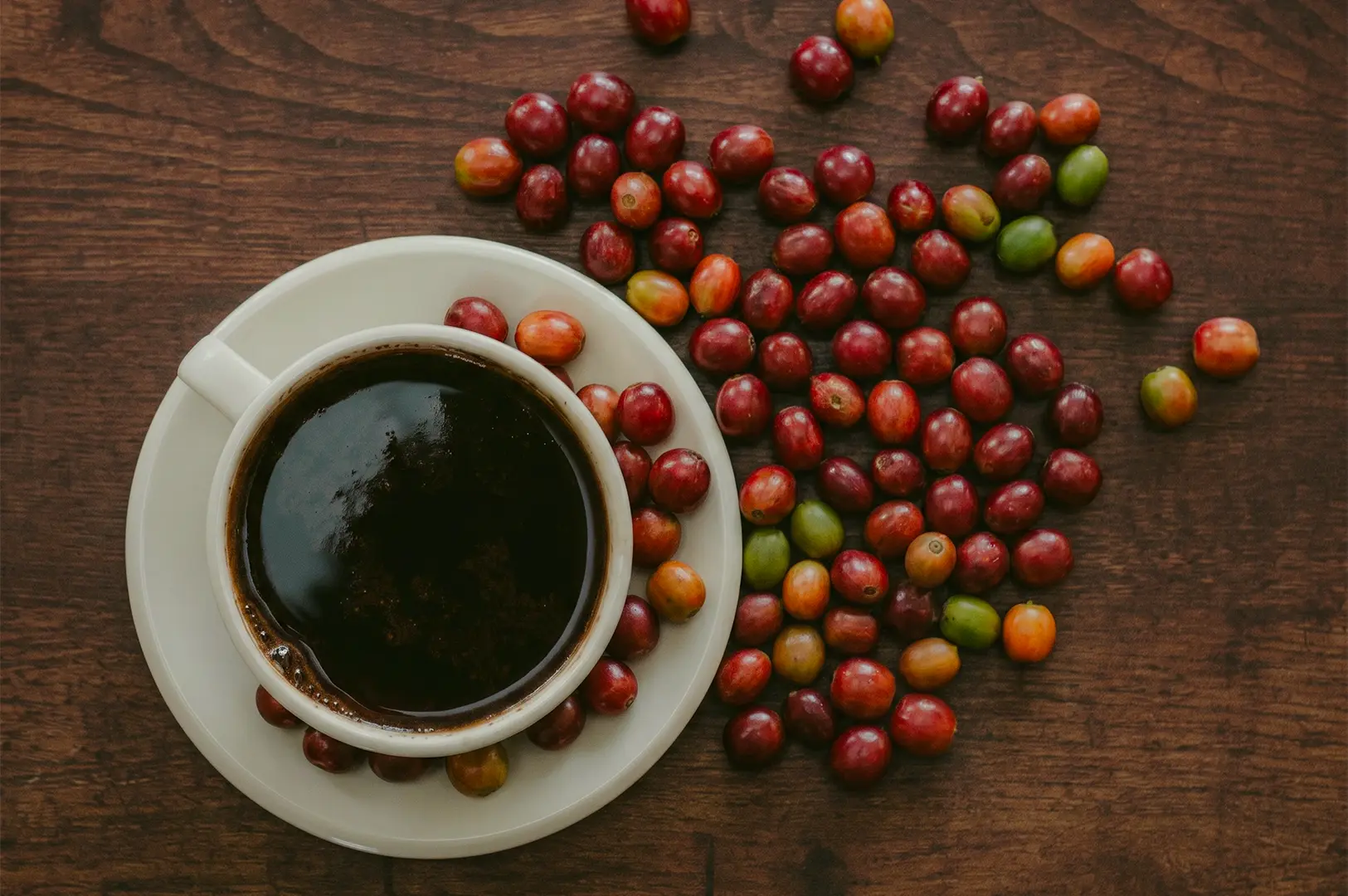
The first time someone explained kopi luwak to me, I was halfway through a cup of kopi-o. I put the cup down slowly.
Wait. This coffee comes from what?
Here’s the short answer. Kopi luwak is coffee made from beans that have passed through the digestive system of the Asian palm civet, a small mammal that eats ripe coffee cherries. The animal digests the fruit. The seeds pass through mostly intact. People then collect those seeds, clean them carefully, dry them, roast them and brew them.
So yes, the “coffee poop animal” people search for is real. But the full story is stranger, older and more complicated than a punchline.
Let’s take it one step at a time.
Coffee Poop Animal: What Animal Makes Kopi Luwak?
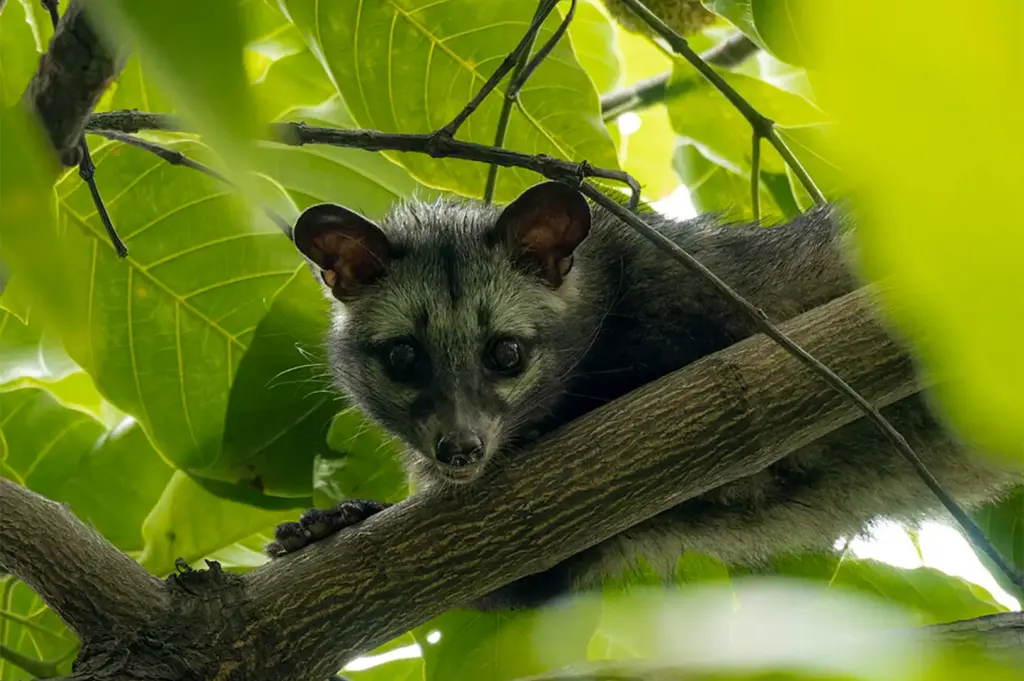
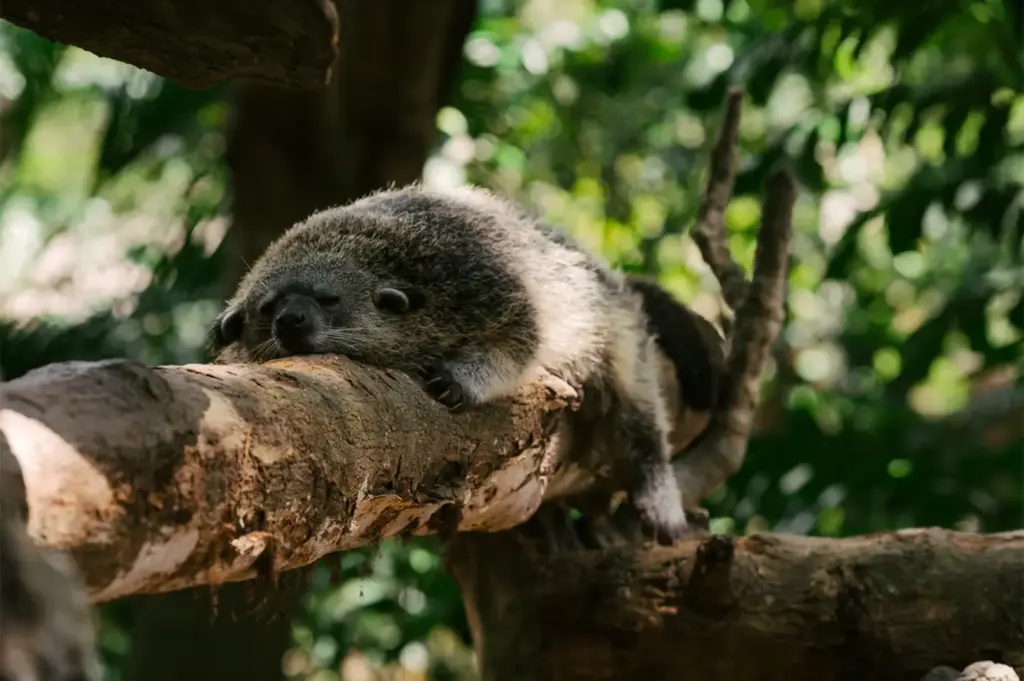
What animal makes kopi luwak?The animal behind kopi luwak is the Asian palm civet. It’s a small, mostly nocturnal mammal found across South and Southeast Asia. It eats ripe coffee cherries, and the coffee seeds later pass through its digestive tract before people collect and process them.
In Indonesia, the animal is called luwak. Kopi simply means coffee. Put them together and you get kopi luwak, which literally means “civet coffee.”
You’ll often hear it called a civet cat. It isn’t a cat. Civets belong to a separate family of mammals called Viverridae.The civet’s link to coffee is simple. Coffee cherries are fruit. When they ripen and turn red, they’re soft, sweet and within reach. A civet does what any fruit-loving animal would do: it eats them.
Coffee Beans: What Actually Happens to Them?
Before we follow the civet, it helps to clear up one thing most of us never think about.
Coffee beans aren’t really beans. They’re seeds.
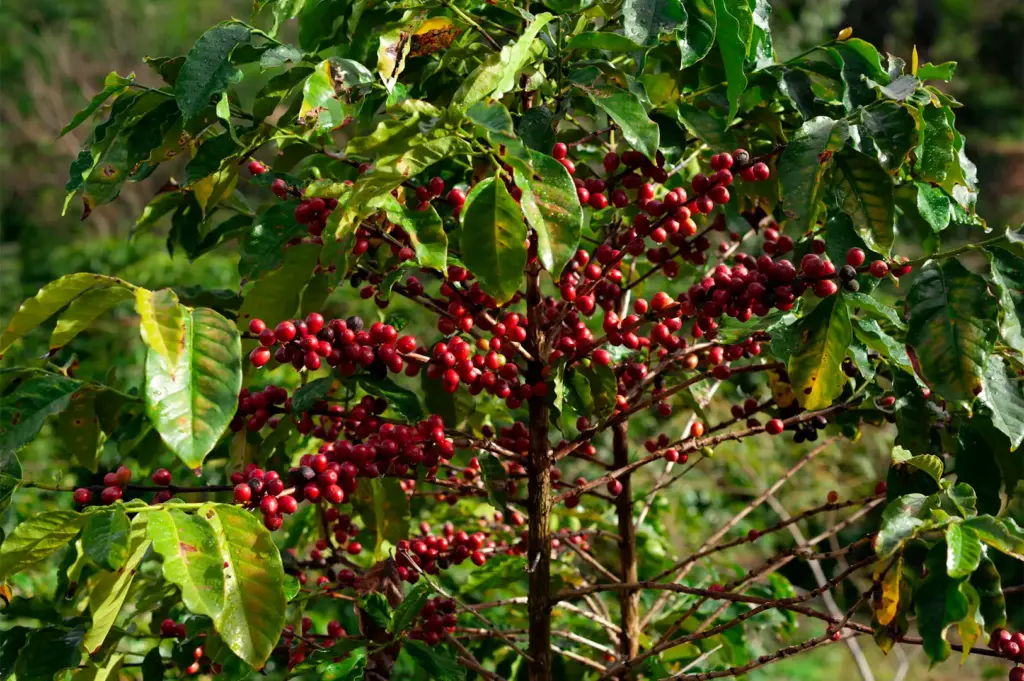
Coffee grows as small fruits called coffee cherries. Inside each cherry, under the skin and a layer of sweet pulp, usually sit two seeds. Those seeds are what we roast and call coffee beans.
When a palm civet eats ripe coffee cherries, its body digests the soft fruit. The hard seeds are much tougher. They travel through the digestive tract without being fully broken down, and they leave the animal as undigested beans still wrapped in a protective inner layer.
This is where the science gets interesting, and where I’ll be careful. One widely cited study from the University of Guelph in Canada, published in the early 2000s, looked at kopi luwak beans under a microscope. It found surface pitting and differences in protein content compared with regular beans. The suggested explanation is that digestive enzymes and the conditions inside the gut start to break down certain proteins in the beans.
There’s also a fermentation process at work. As the beans pass through, they sit in a warm, moist environment with microbes and enzymes.
Luwak Coffee: How Is It Made?
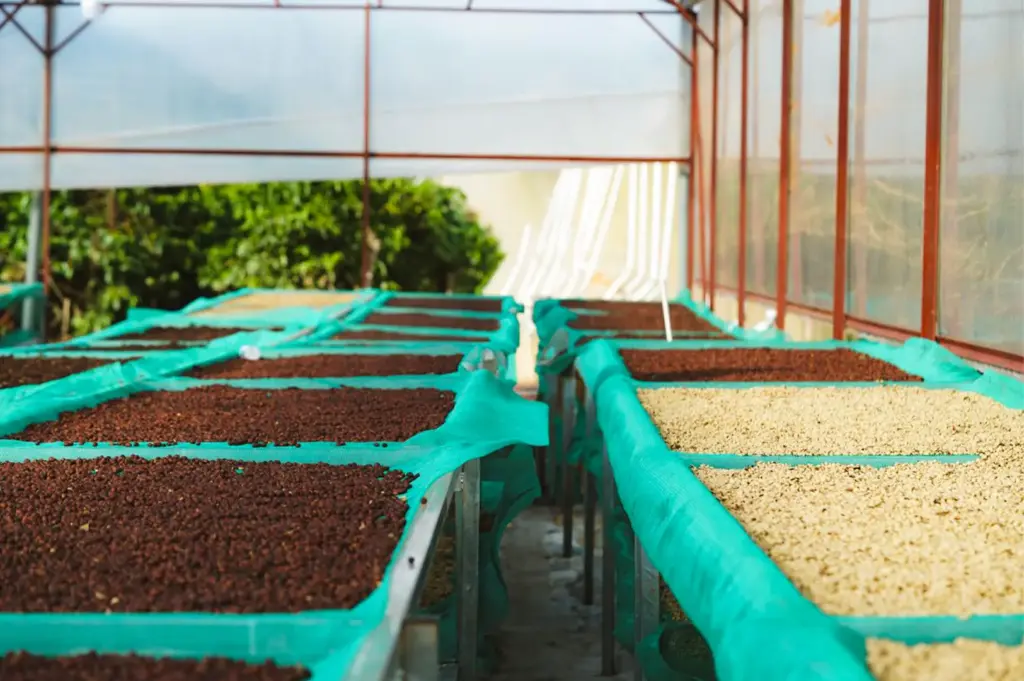
How is luwak coffee made?Luwak coffee is made when civets eat ripe coffee cherries. The seeds pass through their digestive system, and people collect them. The beans are then washed, dried, hulled, roasted and brewed like other coffee.
There are really two stages here. One is biological, the other is human;
The biological stage:
Coffee cherries grow and ripen on coffee plants.
Civets eat the ripe cherries, usually at night.
The fruit is digested, while the seeds pass through the digestive system.
The human stage:
People collect the beans from droppings.
The beans are thoroughly washed and cleaned.
They’re dried, often in the sun.
The outer parchment layer is removed.
The green beans are sorted and stored.
They’re roasted at high heat.
Finally, they’re ground and brewed.
Kopi Luwak: Where Did It Come From?
Kopi luwak is closely tied to Indonesia, especially the islands of Java and Sumatra. Bali later became well known for it too, partly through tourism.
Coffee came to Indonesia during Dutch colonial rule. The Dutch set up large coffee plantations in the 1700s and 1800s, and Java became so famous for coffee that “java” turned into slang for coffee itself.
The origin story most often told goes like this. Under the colonial system, local farmers and plantation workers were reportedly not allowed to harvest coffee for their personal use. Workers noticed that civets ate the cherries and left the seeds behind in their droppings. They collected those seeds, cleaned and roasted them, and made coffee for themselves.
Coffee Plantations and the Origins of Kopi Luwak
The civets were free. They ate what they wanted, when they wanted, alongside other food.
The supply was small. You could only gather what wild animals happened to leave behind. That’s naturally limited and labor intensive.
There may have been a kind of natural selection. Many producers and coffee writers claim that wild civets pick the ripest cherries. That’s a reasonable idea, since ripe fruit is sweeter, but it’s a reported observation rather than a proven rule.
Kopi Luwak Coffee: Why Is It So Expensive?
Why is kopi luwak expensive? Kopi luwak is expensive because genuine wild collection is slow and labor intensive, supply is limited, and the coffee carries a strong reputation for rarity. Marketing and demand from curious coffee drinkers also push prices up.
Let’s break that down.
Collection takes effort. Searching plantations and forest floors for droppings is slow, physical work.
Supply is limited. Wild civets produce only so much, and they don’t follow a harvest schedule.
Processing adds steps. Extra cleaning and sorting take time.
Rarity sells. “One of the rarest coffees in the world” is a powerful line on a label.
Story sells, too. Few coffees come with a tale this memorable.
Demand stays steady. Coffee enthusiasts, travellers and gift-buyers keep looking for it.
Rarity and quality are not the same thing. Kopi luwak is a good reminder of that.
Unique Production Process: How Civet Coffee Is Made
If you’ve followed along so far, you already know the basics. Here it is again in plain language, step by step, with a little more detail about why this unusual process stands out.
Step 1: The civet chooses its fruit.
Step 2: Digestion begins.
Step 3: Fermentation and enzyme activity.
Step 4: Collection.
Step 5: Washing.
Step 6: Drying.
Step 7: Hulling and sorting.
Step 8: Roasting.
What makes this unique production process so different is Steps 1 to 3. Most coffee is processed by people with water, sun or controlled fermentation tanks. Here, part of that work happens inside an animal.
Flavor Profile: What Does Kopi Luwak Taste Like?
What does kopi luwak taste like?People often describe kopi luwak as smooth, with low acidity, low bitterness and a heavy body. Some tasters report chocolate or caramel notes. These are subjective impressions, and the actual taste varies widely from batch to batch.
Here’s what you’ll commonly read about its flavor profile:
Body: fuller and rounder in the mouth
Acidity: lower, less bright or sharp
Bitterness: softer than many dark roasts
Aroma: earthy, sometimes sweet
Notes: chocolate, caramel, sometimes a musty or woody edge
The taste depends on many things that have nothing to do with the civet:
Coffee varieties, since civets eat whatever grows nearby, arabica or robusta
Where the coffee was grown
How carefully the beans were cleaned and dried
How they were roasted
Brewing methods
How fresh the beans are and how they were stored
Whether the coffee is actually kopi luwak at all
That last point matters more than it sounds, as you’ll see below.
Is Kopi Luwak Ethical? Wild-Sourced vs Caged Civets
This is the part of the story that stops being funny.
As kopi luwak became famous, demand grew far beyond what wild civets could supply. Some producers responded by keeping civets in captivity. That shift changed the coffee in a deep way.
Wild-Sourced Kopi Luwak
In wild sourced kopi luwak, beans are collected from droppings found naturally on plantations or in forests. The civets live freely, eat a varied diet and choose what they eat. Supply is small and unpredictable, which is part of why genuine wild coffee is rare.
Caged Civet Production
In captive operations, civets are kept in enclosures, and coffee cherries become a large part of their diet. Investigations by animal welfare groups and researchers, particularly on farms in Indonesia, have documented serious problems in some of these places:
Small cages, sometimes with wire floors
Little space to move, climb or behave naturally
Diets heavy in coffee cherries, with some animals reportedly force fed
Signs of stress, poor health and repetitive behavior
Nocturnal animals kept on display in daylight for tourists
Very little transparency about how the animals are treated
Why Sustainable Practices Matter
Sustainable practices in kopi luwak go beyond the animal. They also involve fair treatment of local farmers, honest sourcing and protecting the habitats where wild civets live.
The tricky part is that “wild sourced” is easy to print and hard to prove. A label alone doesn’t confirm where beans came from. Responsible sourcing depends on traceability: knowing the region, the producer and how the beans were collected.
Not all kopi luwak is sustainable. Not all of it is cruel. The only honest way through is to ask questions.
How to Identify Authentic Kopi Luwak
Authentic kopi luwak is hard to verify, and fakes and blends are common. Some products sold as kopi luwak contain little or no civet coffee at all. Here’s what’s worth looking for:
Traceability. Can the seller tell you the region, farm or collector?
Source transparency. Do they explain how the beans were gathered, not just say “wild”?
Clear wild-sourcing claims. Vague phrases like “natural” or “premium” aren’t evidence.
Producer information. Real names and locations are a better sign than glossy packaging.
Animal welfare policies. A responsible seller should be willing to talk about how civets are treated.
Realistic pricing. Very cheap “kopi luwak” is a red flag. A high price, though, doesn’t guarantee authenticity either.
Seller openness. If questions about sourcing make a seller uncomfortable, that tells you something.
If you’re travelling in Bali or Java and see a civet coffee stop, look closely at the animals. Cages are a clear sign of captive production.
Should You Drink Kopi Luwak?

For many people, kopi luwak is more than just a beverage. It carries colonial history, the ingenuity of workers who weren’t allowed their own harvest, a genuinely strange bit of biology and a hard ethical edge.
That’s a lot to hold in one small cup.
Whether you try it is your call. If you do, it’s worth asking where it came from and how the animal lived. If you’d rather skip it, there’s a whole world of carefully grown coffee that tells its own stories without a cage in the background.
Either way, I hope the coffee poop animal now feels less like a joke and more like what it is: a small, wild creature that wandered into one of coffee’s oddest chapters.
Looking for gentler caffeine adventures closer to home? Browse our essential cafe guides and coffee stories at Best Cafe Singapore!
FAQ
Why is kopi luwak called poop coffee?
Because the beans are collected from civet droppings after the animal eats coffee cherries and the seeds pass through its digestive system.
Why is luwak coffee so expensive?
Wild collection is slow and limited, and rarity, reputation and marketing drive demand. A high price doesn’t guarantee better taste.
Does kopi luwak coffee smell like poop?
Despite its unusual origin, kopi luwak coffee does not smell like poop. The beans are thoroughly cleaned, dried, and roasted, which eliminates any unpleasant odors. The final brewed coffee typically has a rich aroma with notes of chocolate, caramel, and earthiness, rather than anything resembling feces.
Is coffee poop safe to consume?
Yes, kopi luwak coffee is safe to consume because the beans undergo thorough cleaning, drying, and roasting processes that eliminate harmful bacteria and pathogens. However, it is important to ensure that the coffee comes from a reputable source that follows proper hygiene and ethical standards to avoid contamination or quality issues.