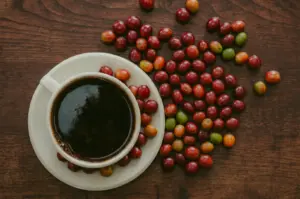

The first time someone ordered a decaf at my usual kopitiam, the uncle behind the counter paused. “You sure?” he asked. Not judging, just checking.
I understood the pause. For many of
us, coffee and caffeine feel like the same thing. But they aren’t, quite.
Plenty of people love coffee and still want less of the buzz. Maybe it’s an evening cup that won’t steal your sleep. Maybe a doctor said to cut back. So the question sits there, simple but worth answering: what is decaf coffee, and how different is it from the regular cup?
Let’s break down what’s actually happening inside your mug. Singapore takes its coffee seriously, from kopi at the corner stall to flat whites at Best Cafe Singapore spots, and decaf deserves the same honest look.
What Is Decaf Coffee?
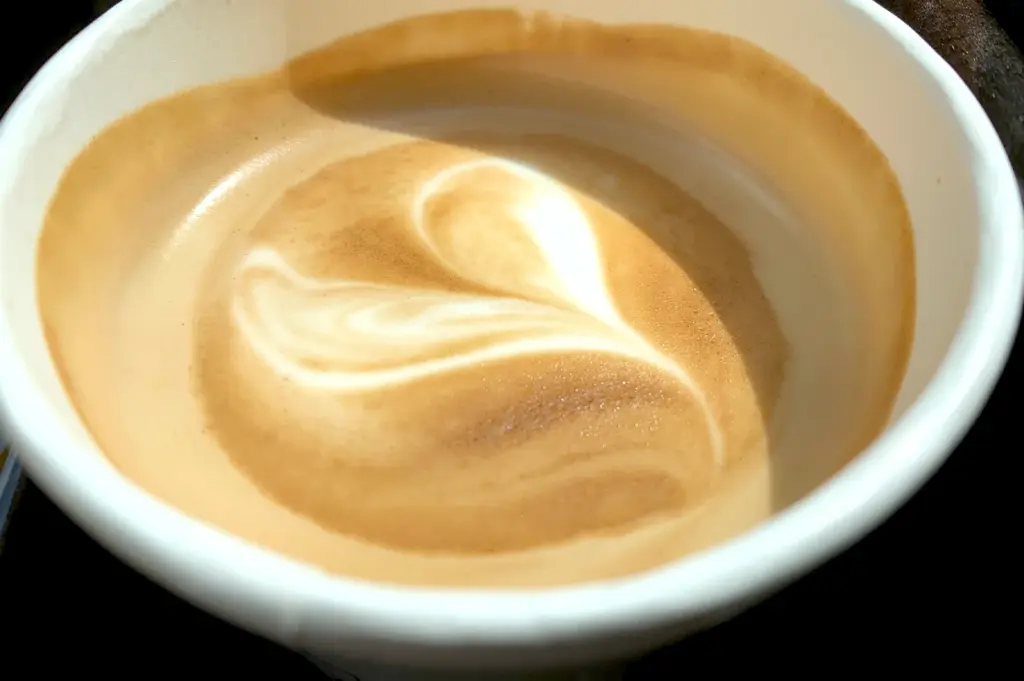
Decaf coffee is real coffee. That’s the part people miss.
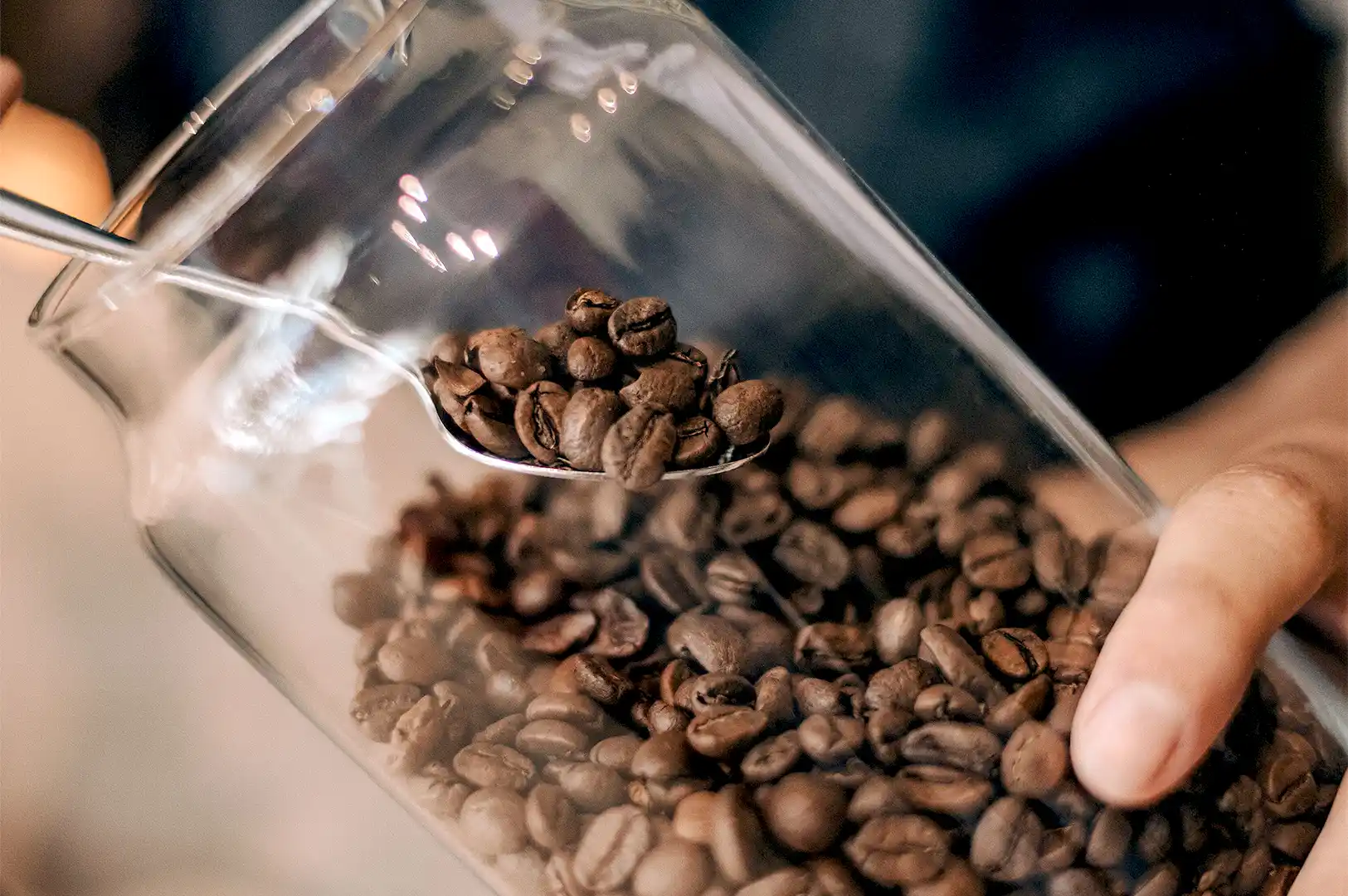
It comes from the same coffee plants, the same coffee beans, grown and roasted much like any other cup. The difference is that most of the caffeine has been taken out before the beans ever reach your grinder.
Coffee plants make caffeine as a natural stimulant, a defence, really. It helps protect the plant from pests. That caffeine sits inside the caffeine molecules of every green bean, whether it ends up as regular coffee or coffee decaffeinated.
So when we talk about what is decaf, we’re talking about a coffee bean that has gone through an extra step. The flavour stays. Most of the caffeine leaves.
One thing to hold onto: decaf is not completely caffeine free. A trace always remains. More on that soon.
How Coffee Beans Become Decaffeinated
The important work happens early, before roasting, while the beans are still green.
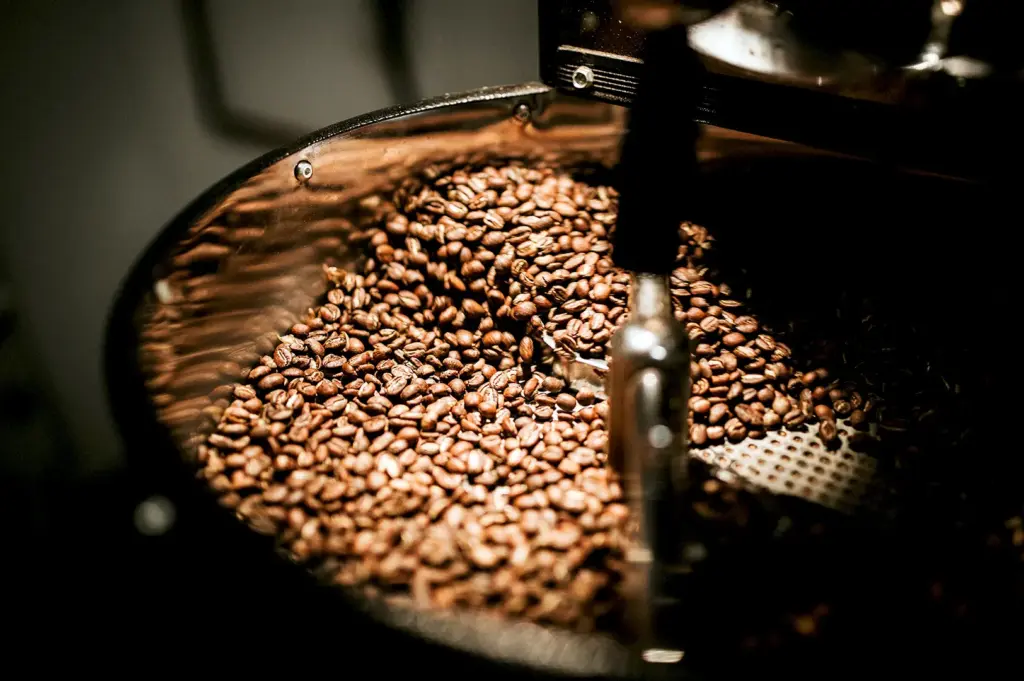
Coffee cherries get harvested and processed into green coffee beans. At this stage, they’re raw, pale, and full of caffeine. This is when the remove caffeine step takes place.
Why before roasting? Because roasting locks in the flavour and aroma. Decaffeinate first, and you protect those flavour compounds as much as possible.
Getting caffeine out of green beans without stripping away taste is the real challenge. Some methods manage it better than others.
The Decaffeination Process Explained
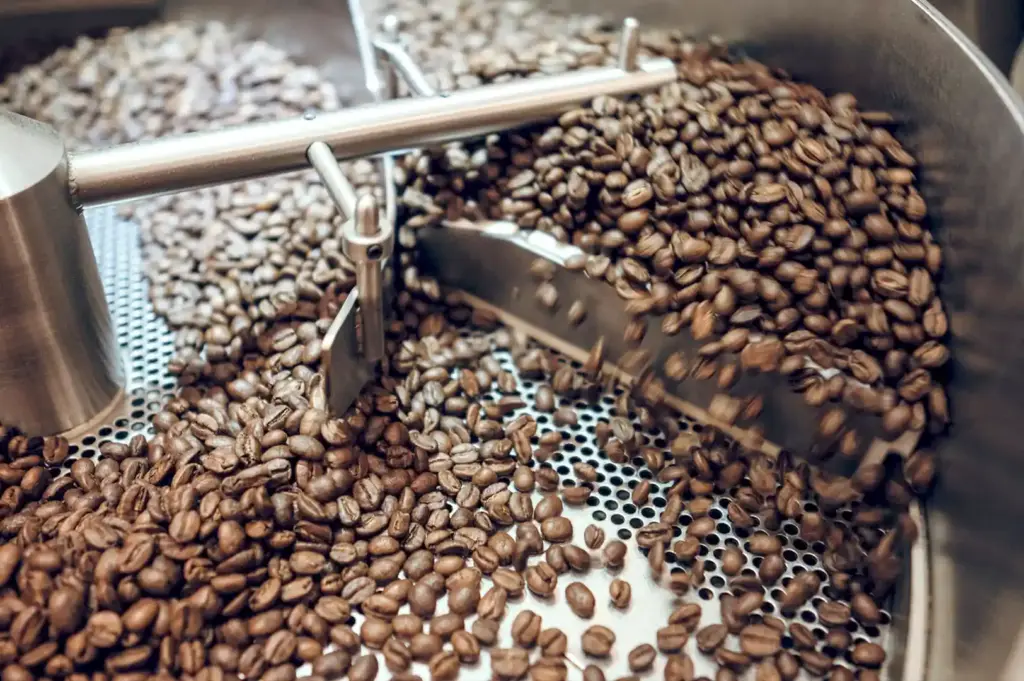
There are a few main ways to pull caffeine from coffee. None of them are magic. They’re just different paths to the same goal.
Direct Method
In the direct method, the beans are steamed to open them up, then rinsed with a solvent that binds to caffeine and draws it out.
The two common solvents are methylene chloride and ethyl acetate. Ethyl acetate occurs naturally in some fruits, which is why coffee using it is sometimes labelled “naturally decaffeinated.”
The word “solvent” can sound alarming. But these organic solvents evaporate at high temperatures, and by the time the beans are steamed, washed, and roasted, only trace amounts remain, well within safety limits set by food authorities. Modern commercial processing is regulated and considered safe.
Indirect Method
The indirect method starts with hot water instead of direct contact between solvent and bean.
The green beans soak, releasing both caffeine and flavour compounds into the water. That water is then treated, often passed through an activated charcoal filter or a solvent, to remove the caffeine while leaving the flavour behind.
The now-decaffeinated water is returned to the beans, so they can reabsorb their own flavour. It’s a gentler, more roundabout approach known as the direct contact method, where caffeine is removed without harsh treatment of the beans themselves.
Swiss Water Process
The Swiss Water Process skips chemical solvents entirely.
It uses water, temperature, and filtration. Green beans soak in a solution already saturated with coffee flavour, called green coffee extract, so only caffeine leaves the beans, not the taste. The caffeine is then filtered out through carbon.
Because it’s chemical-free, Swiss Water is popular in specialty coffee. If you care about clean processing, look for beans labelled Swiss Water.
Carbon Dioxide Method
This one feels the most modern. It uses liquid carbon dioxide under high pressure.
The CO2 moves through the beans and binds with the caffeine molecules, carrying them away while leaving the larger flavour compounds mostly intact. The caffeine is later separated from the carbon dioxide, which gets reused.
It’s efficient and gentle, though the equipment is costly, so it’s usually reserved for larger-scale production.
How Much Caffeine Is in Decaf Coffee?
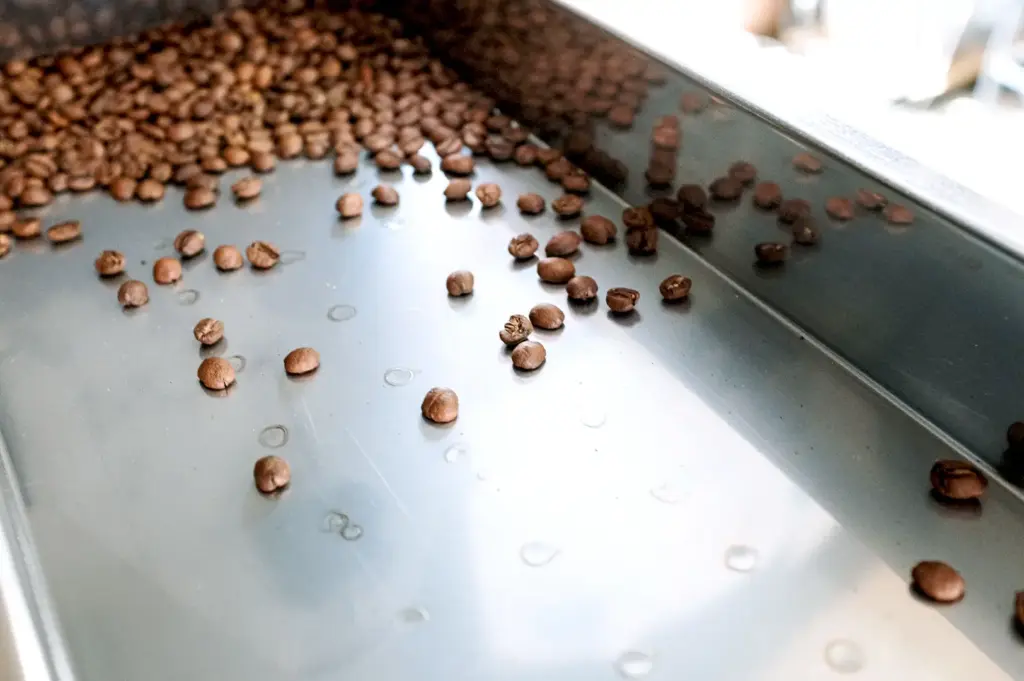
Here’s where honesty matters most: decaf still has caffeine. Just not much.
A typical cup of decaf coffee holds roughly 2 to 15 mg of caffeine. Compare that to regular coffee, where a single cup often carries anywhere from 80 to 140 mg or more, depending on the beans and brewing method.
So decaffeinated beans have had about 97% or more of their caffeine removed, but not every last trace.
Some decaf coffees can contain between 3 mg to 32 mg of caffeine per cup, depending on the method and bean origin. You’d need to drink over ten cups of decaf to match the caffeine from the coffee in a single regular cup.
For most people, that small amount is negligible. One cup of decaf in the evening is unlikely to keep you up. But if you’re extremely sensitive, or drinking several cups, it can add up. Worth knowing.
Decaf Coffee vs Caffeinated Coffee: The Real Difference
Taste and Aroma
Older decaf earned a bad reputation. Early methods were rougher, and they stripped away flavour along with the caffeine. Flat, dull, hollow cups.
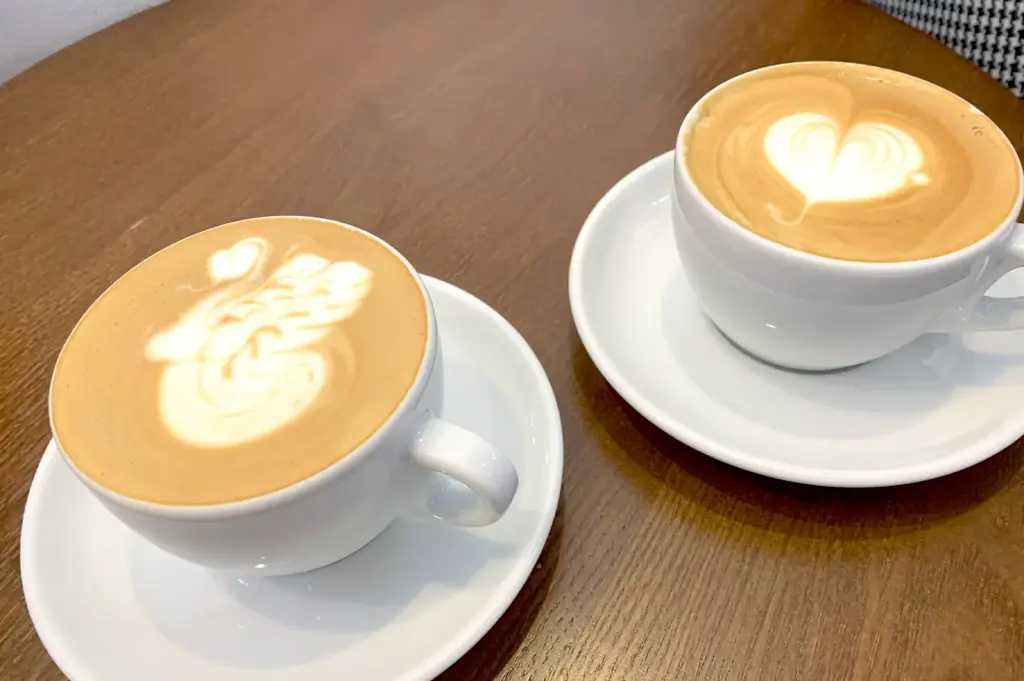
That’s changed. Modern processing, especially Swiss Water and CO2, preserves far more of the aroma and flavour compounds. A good decaf today can taste close to its caffeinated version.
Decaf beans may have a slightly less vibrant aroma than regular coffee during brewing, but they are often milder and smoother due to the caffeine removal process.
Quality still depends on two things: the beans themselves, and how carefully they were decaffeinated. Cheap decaf tastes cheap. Well-sourced decaf tastes like coffee.
The Coffee Experience
Strip away the caffeine debate, and both cups offer the same ritual. The warmth, the roasted smell, the pause in a busy day.
The main difference is chemical, not emotional. You still get to hold the cup, breathe it in, and slow down for a moment. That part never leaves.
Health Benefits of Decaf Coffee
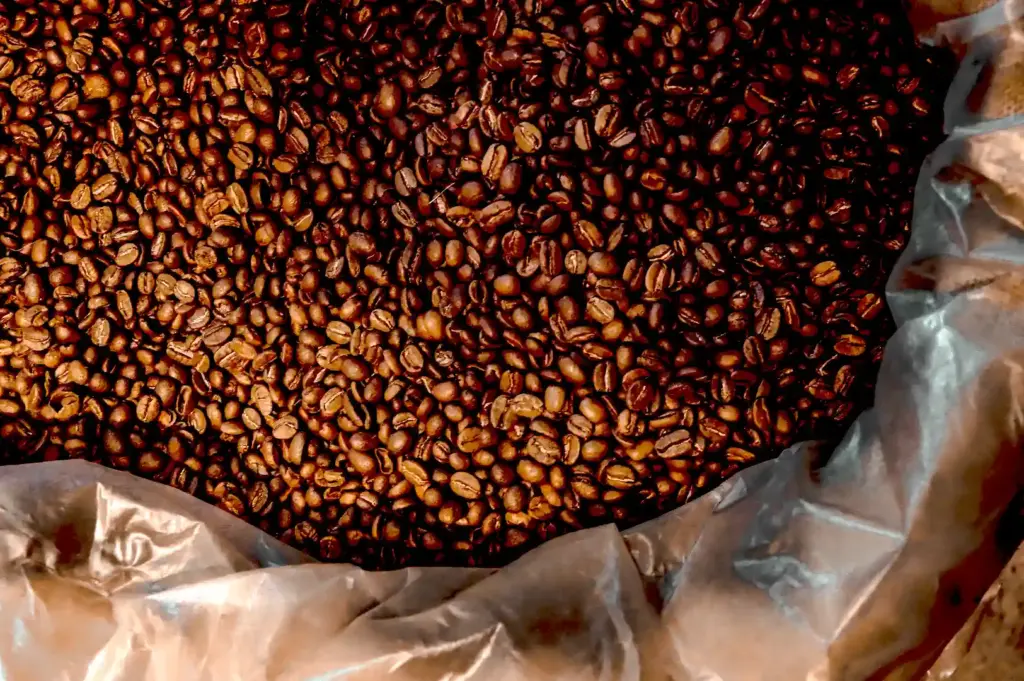
Coffee carries more than caffeine. It’s rich in antioxidants and polyphenols, beneficial compounds that survive the decaffeination process largely intact.
Human studies have linked drinking coffee, including decaf, with a range of potential upsides. Some research points to a lower risk of certain conditions among regular coffee drinkers. Decaf may also suit people watching their blood pressure, since high caffeine intake can raise it temporarily in some individuals.
Decaf coffee offers many of the same health benefits as regular coffee, including potential reduced risk of type 2 diabetes by 6-11%, lower overall mortality rates, and decreased risk of multiple cancers.
Drinking three cups of decaf coffee daily may improve mental health and is associated with reduced risk of depression.
A careful note here: this isn’t medical advice. People with certain medical conditions should follow guidance from their own doctor. Coffee isn’t medicine, it’s just coffee, with a few quiet benefits alongside the pleasure.
Who Should Consider Drinking Decaf?
Decaf isn’t a lesser cup. For some, it’s the better fit.
You might reach for it if you:
Are sensitive to caffeine and feel jittery easily
Want coffee later in the day without losing sleep
Are cutting back on caffeine intake for health or personal reasons
Simply love the taste of coffee more than the stimulation
Are looking for something warmer than tea but gentler than a full-strength brew
There’s no rule that says every cup must jolt you awake. Sometimes you just want the flavour and the ritual.
Common Myths About Decaf Coffee
Myth 1: "Decaf has zero caffeine."
Not true. As we covered, a small amount always remains, usually 2 to 15 mg per cup. Low, but not nothing.
Myth 2: "Decaf is unhealthy."
Also false. Decaf keeps most of the antioxidants and beneficial compounds found in regular coffee. The chemicals used in some methods leave only trace amounts, within safe limits. There’s no solid evidence linking properly processed decaf to cancer or harm.
The FDA sets a rigorous standard of 10 parts per million for methylene chloride in decaf, and health regulators worldwide consider the process safe.
Myth 3: "Decaf always tastes bad."
This one used to hold weight. Not anymore. Better sourcing and gentler methods have lifted the quality considerably. Plenty of coffee lovers can’t tell the difference in a well-made cup.
Choosing Better Decaf in Singapore
Not all decaf is equal, so a little care goes a long way.
Look for the processing method on the label, Swiss Water and CO2 tend to signal quality and cleaner flavour. Seek out fresh, well-sourced decaffeinated beans rather than dusty supermarket tins. And notice which cafes actually care about where their coffee comes from.
Singapore’s specialty scene has grown, and more roasters now treat decaf with the same respect as their regular offerings. If you want a starting point, these best cafes in Singapore for coffee lovers and bakery enthusiasts are a good place to ask what decaf they carry.
A quiet request at the counter often reveals more than any label.
A Final Word
So, what is decaf coffee, really?
It’s still coffee. Same beans, same warmth, same slow morning ritual. The only real change is that most of the caffeine is removed, leaving the flavour and the comfort behind.
Decaffeinated coffee has come a long way from those thin, flavourless cups of the past. With modern methods preserving more of what makes coffee worth drinking, decaf is no longer a compromise. It’s simply a choice, one that gives you more control over your caffeine, without asking you to give up the cup you love.
If a bowl of noodles can make you pause, so can a good, quiet cup of decaf. That’s reason enough to understand it.