
The old man at the next table dipped his toast into the egg without looking up.
He’d clearly done it ten thousand times. Kaya toast in one hand, kopi steaming beside him, the newspaper folded to the racing pages. He wasn’t performing breakfast. He was just having it, the way he probably had for forty years.
That’s the thing about Ya Kun Kaya Toast. It doesn’t ask for your attention. It just gets on with the morning.
I’ve been to a few outlets now, at different hours, and this is my honest account of what it’s actually like to sit there. Not the polished version. The stools, the crumbs, the sound of a spoon cracking the top of a soft boiled egg. If you’ve been reading ya kun kaya toast reviews and want something grounded, here’s what I found.
A Breakfast Ritual Older Than Most of Us
Ya Kun kaya toast is woven into how Singapore wakes up.
Before the specialty flat whites and the brunch queues, there was this: a slice of toast, a cup of kopi, and somewhere to sit for ten quiet minutes before the day started. Ya Kun didn’t invent that ritual. It just kept it alive.
The story goes back to founder Loi Ah Koon, who started with a modest kaya toast stall long before the brand grew into the chain you see across the island today. That heritage still lingers in the small things. The way the bread is charred. The way the kaya is spread. There’s an old muscle memory to it.
Singaporeans grew up on this. Families passed it down. And even now, with the city full of newer, shinier places to eat, the counter at Ya Kun stays busy. That says something.
First Impressions: A Coffee Shop, Not a Café
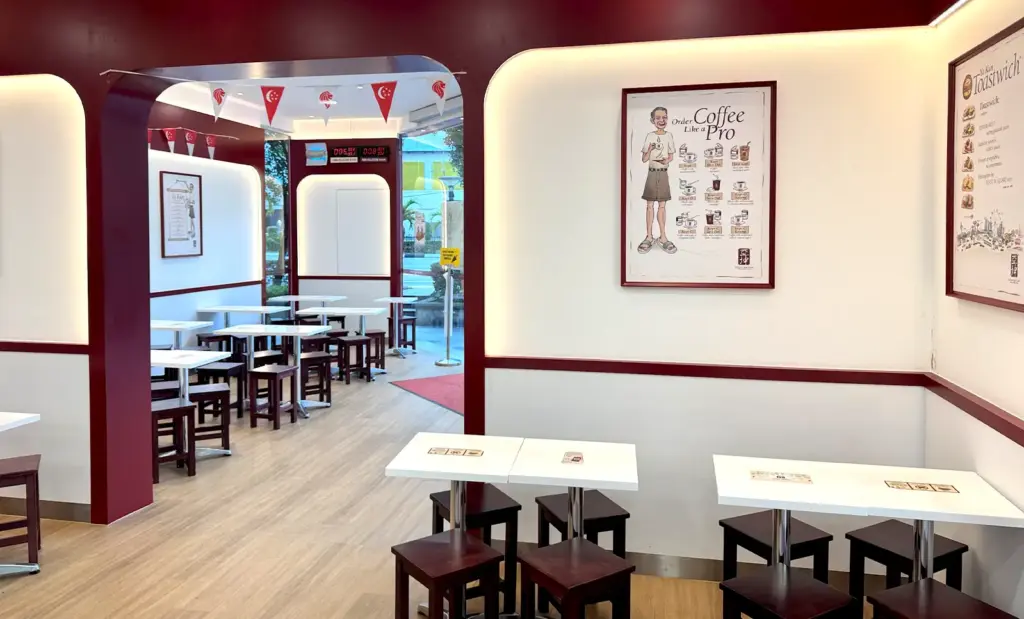
Let me be honest about the space.
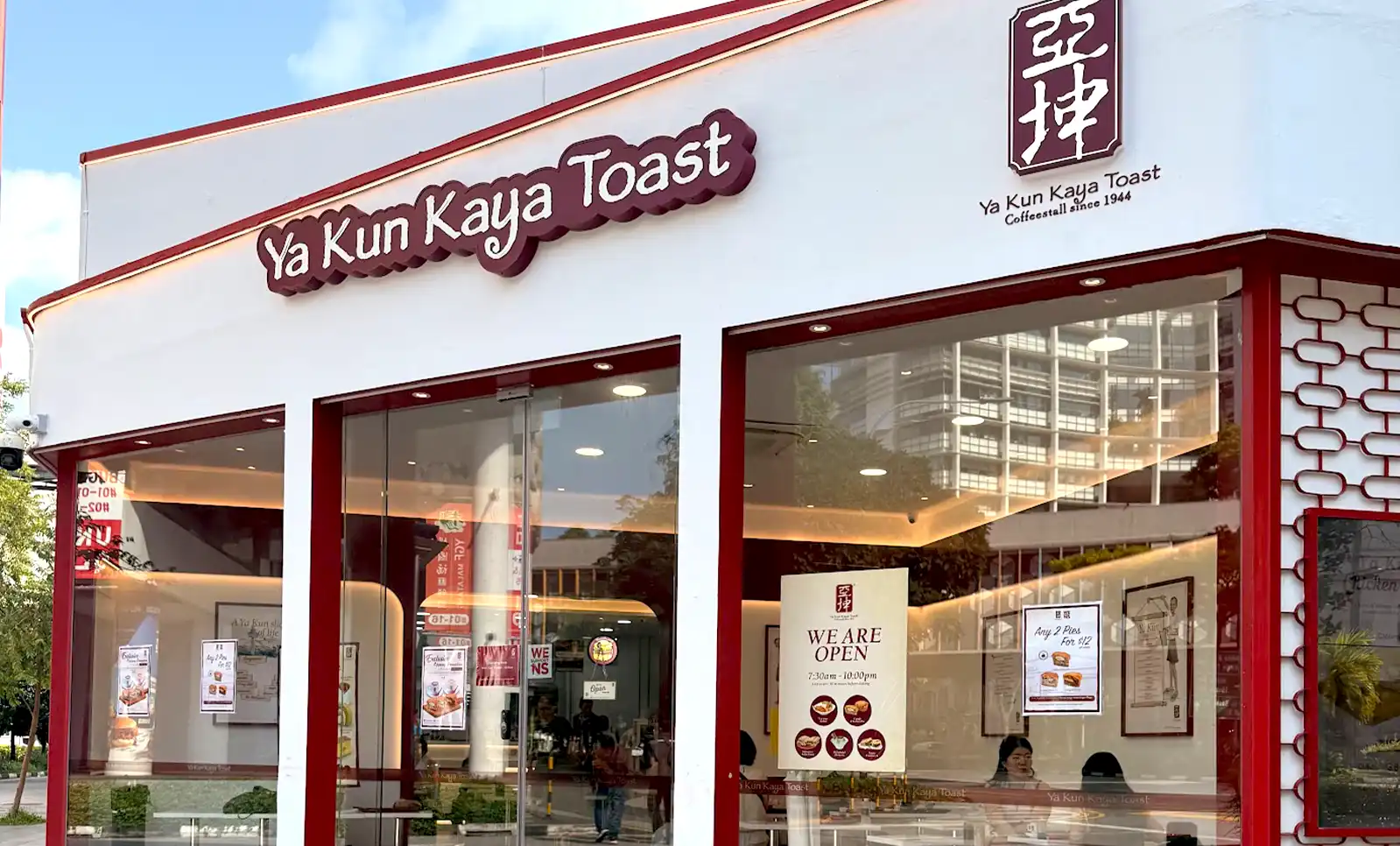
Ya Kun outlets are compact. You order at the counter, you find a stool, and you settle in among the low clatter of cups and conversation. Some outlets are tiny kiosks with barely room to stand. Others have a bit more seating. No two feel exactly alike.
This is a traditional coffee shop experience, not a slow café one. The tables are close. The pace is quick. Customers come, eat, and go, and the whole place moves to that rhythm.
I didn’t mind it. There’s honesty in a place that doesn’t pretend to be more than it is. You’re here for toast and coffee, not for lingering over a laptop. If you want the wider picture of how these old-school spots sit alongside newer ones, this guide Fortune Centre cafe and coffee guide is a good companion for another day.
My shoulders didn’t exactly drop the way they do in a quiet café. But there was comfort in the familiarity. That counts too.
The Classic Kaya Toast Experience
This is the heart of it, so let me stay here a while.
Kaya Jam, Cold Butter, and Crispy Toasted Bread
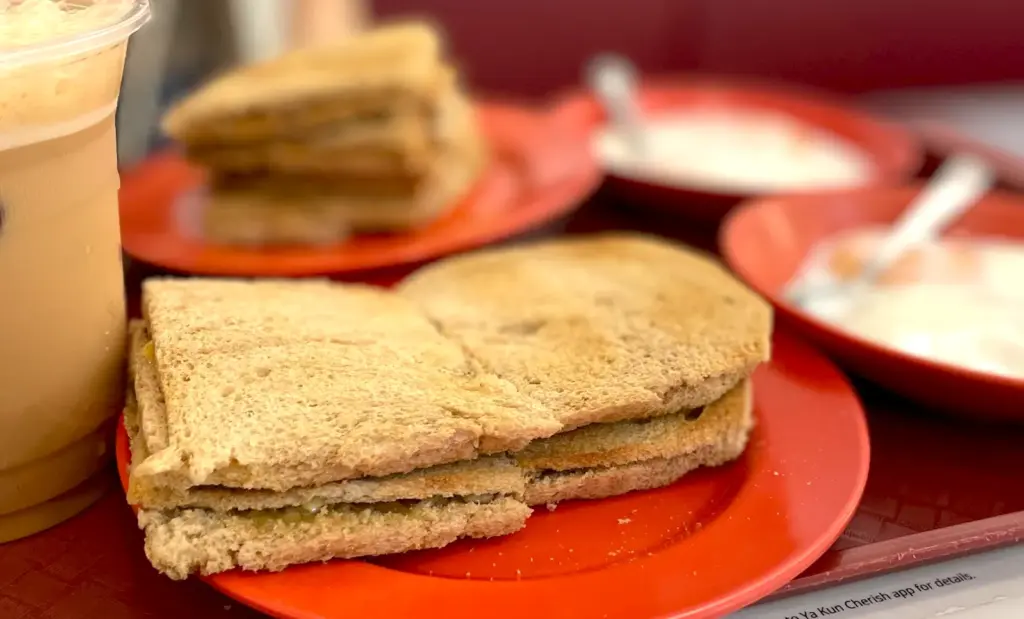
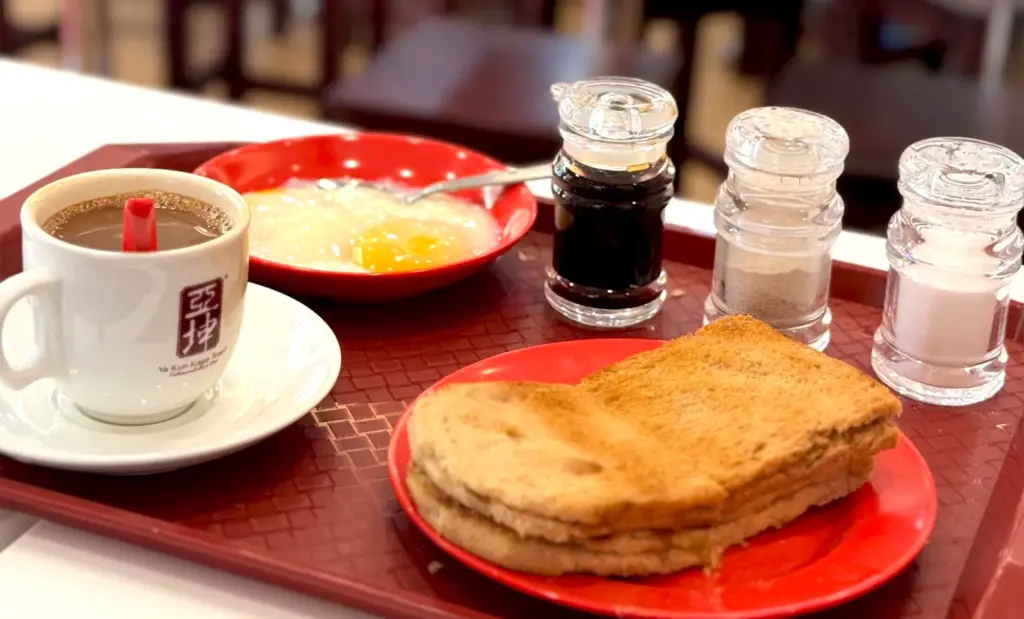
The kaya toast arrives simple. Thin, crispy toasted bread, grilled until the edges catch. A generous layer of kaya jam. And then the part that matters most: a thick slab of cold butter tucked inside.
That cold butter is the whole trick.
The bread is warm and crunchy. The kaya is sweet and fragrant, rich with coconut and pandan. And the cold butter cuts through it all, softening slowly against the heat, adding a salty edge that keeps the sweetness in check. Bite in, and you get that contrast: warm and cool, crisp and smooth, sweet and savoury, all in one mouthful.
It’s not fancy. It was never meant to be. But when the balance is right, it’s genuinely satisfying. The charcoal grill gives the bread a faint smokiness that a toaster never could. That small detail is why people keep coming back.
Butter Set and Soft Boiled Eggs
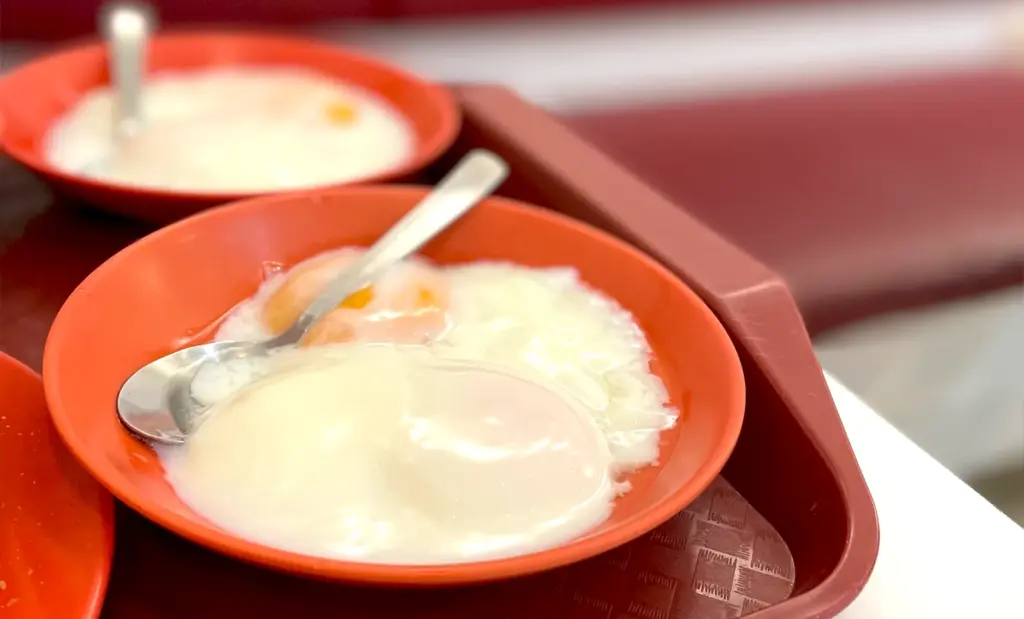
Then there’s the butter set: the classic combo.
Kaya toast, two soft boiled eggs, and a cup of kopi or tea. It’s the order most regulars reach for without thinking.
The soft boiled eggs come in a little dish, whites barely set, yolks loose and warm. You crack them open, add a splash of dark soy sauce and a shake of white pepper, and dip your toast straight in. It’s a bit messy. It’s meant to be.
There’s something grounding about that first dip in the morning. The toast soaks up the runny yolk. The kopi sits beside it, dark and strong. It’s the kind of breakfast that doesn’t try to impress you, it just quietly does its job.
Ya Kun Kaya Menu and Traditional Food Options
The kun kaya toast menu is focused, and I mean that kindly.
Beyond the classic sets, you’ll find a few variations: thick toast for those who prefer more bread, French toast, and toast with different spreads. Some outlets carry simple sandwiches and a handful of other food options for those wanting something more filling.
Don’t come expecting a sprawling brunch menu. This isn’t that place. The choices are familiar rather than experimental, and the strength lies in doing a few things consistently well rather than offering everything.
If you want a big, varied spread, you’ll leave wanting. If you want breakfast the way it’s been done here for decades, it delivers.
Coffee at Ya Kun: Why Kopi Still Matters
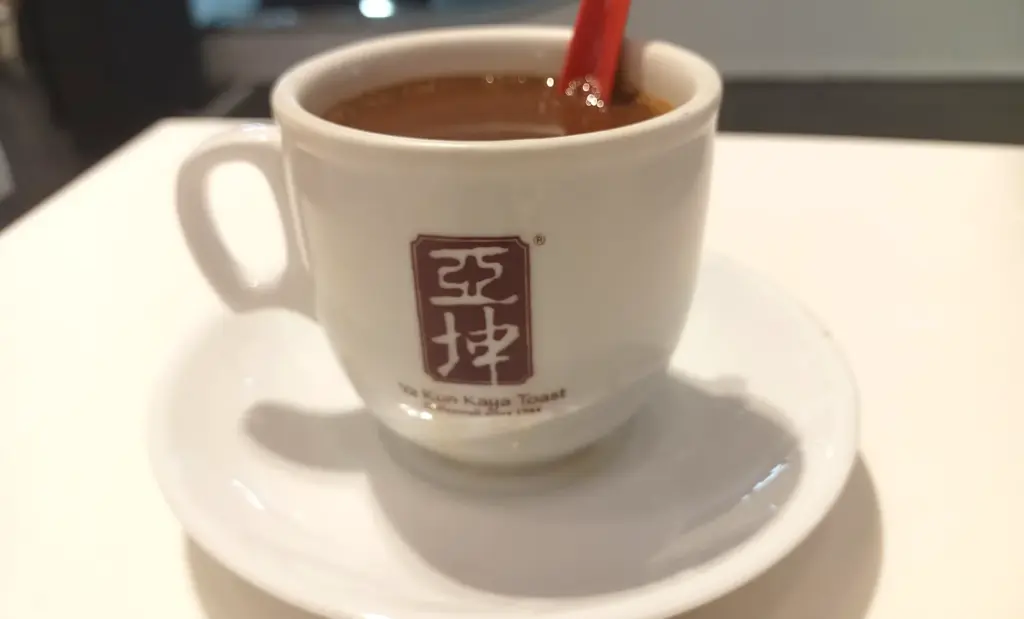
A word on the coffee, because it matters here.
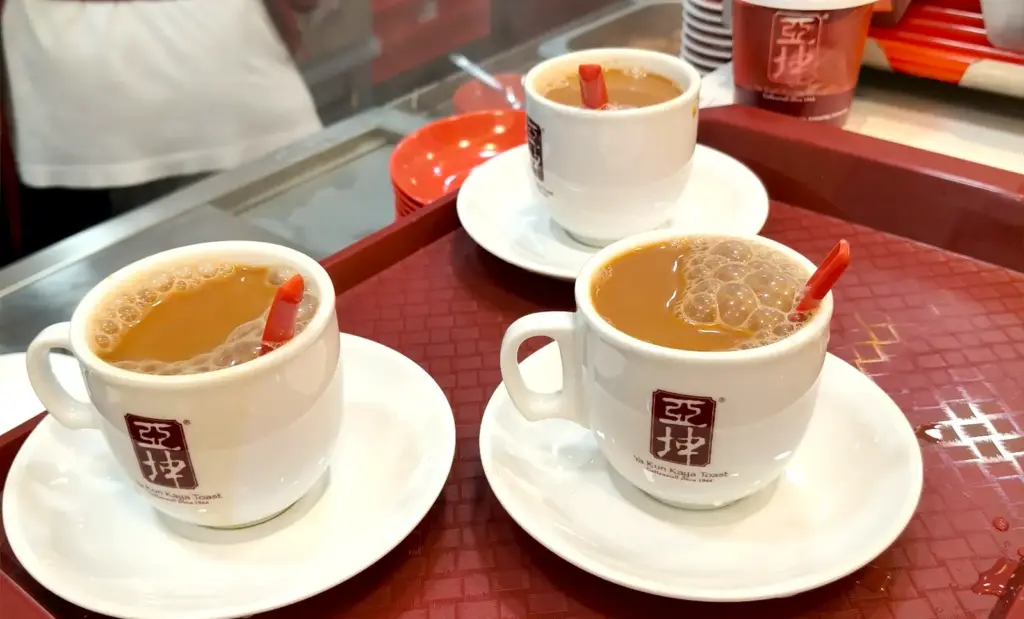
This is not specialty coffee. There’s no latte art, no single-origin talk, no careful pour-over. What you get instead is kopi: traditional Singapore coffee, brewed strong, thick, and fragrant, usually with condensed or evaporated milk.
It’s a different experience entirely, and comparing it to a modern café cup misses the point.
The kopi is rich and a little rough around the edges, the way it should be. It stands up to the sweetness of the kaya. There’s tea too, brewed just as robust. These drinks aren’t trying to be refined. They’re trying to be familiar, and they are. That consistency, cup after cup, outlet after outlet, is part of the appeal.
Service and the Flow of the Room
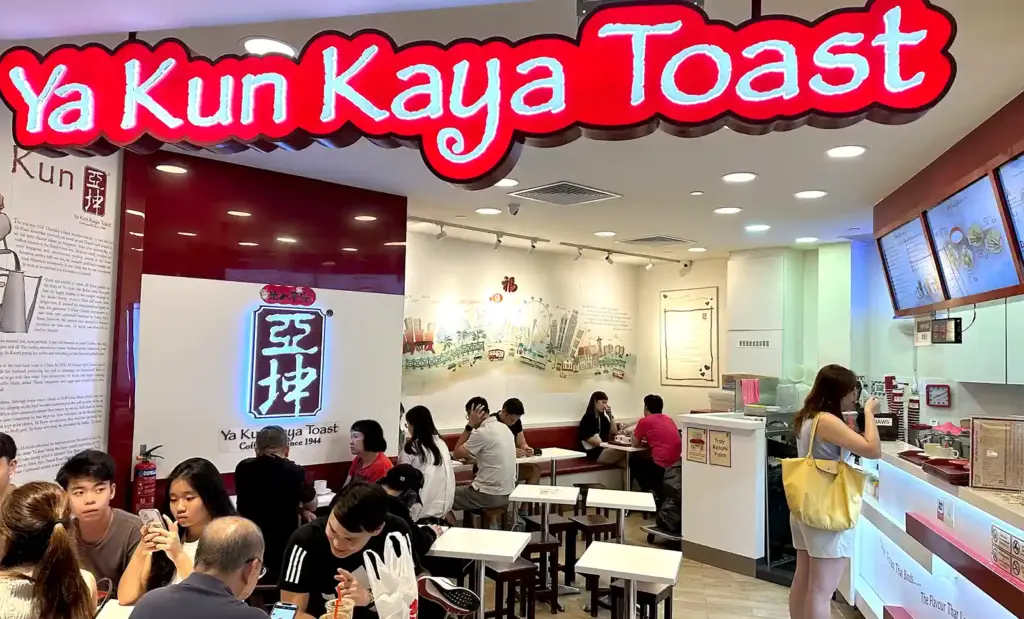
Ordering is quick and no-nonsense.
You order at the counter, pay, and either wait or grab a seat. During the morning rush, the staff move fast, and the whole system runs on efficiency rather than warmth. Nobody’s going to walk you through the menu or ask how your day is going. That’s simply not the rhythm of the place.
I found the service steady and reliable across the outlets I visited. Food comes out fast. The toast is consistent. When it’s busy, it’s brisk. When it’s quiet, there’s a little more room to breathe.
If you want attentive, unhurried service, this isn’t it. But for what it is: a quick, dependable breakfast stop, it works.
Best Time to Visit Ya Kun Kaya Toast
Timing shapes the visit.
Weekday mornings carry the breakfast crowd: office workers grabbing a set before work, older regulars settling in with the paper. It’s lively, and seats can be hard to find at the busier outlets. Come early if you want a stool.
Weekends soften a little at some locations, though mall outlets stay steady through the day. If you want the calmer version, aim for mid-morning after the first rush thins out.
Opening hours vary by outlet, so it’s worth checking the official website before you go. The stores in malls follow mall hours; standalone ones keep their own. A small step that saves a wasted trip.
Who Ya Kun Kaya Toast Suits Best
Not every place is for everyone. Here’s who I think this one serves well.
It suits:
Anyone wanting a genuine Singapore breakfast: kopi, kaya toast, soft boiled eggs, done the traditional way
Visitors exploring local food culture looking for something authentic and easy to find
Families and regulars after a familiar, reliable morning meal
Quick breakfast seekers who need to eat and move on
It may suit less:
People after specialty coffee and a refined cup
Anyone wanting a quiet café to work or linger in
Diners hoping for a large, varied brunch menu
If you land in the first list, ya kun kaya toast is an easy place to enjoy. If you land in the second, it’s worth knowing before you go.
Ya Kun Kaya Toast: A Cultural Icon and Its Expanding Reach
Ya Kun Kaya Toast is more than just a breakfast spot; it’s a cultural icon deeply rooted in Singapore’s heritage. Founded in 1944 by Loi Ah Koon and his wife, the brand has grown from a humble stall at Telok Ayer Basin to over forty outlets across Singapore, with more than 120 outlets internationally. This expansion includes franchises in countries like China, Japan, and the Philippines, and plans to enter markets such as Brunei and Malaysia.
The brand’s commitment to preserving the original recipes and traditional preparation methods creates a consistent quality that fans appreciate. The kaya is prepared with just the right amount of richness and texture, ensuring every bite delivers the classic flavor expected. This dedication has helped Ya Kun Kaya Toast become a fair representation of Singapore’s kopitiam culture, recognized even by the Singapore Tourism Board as a must-visit attraction.
Comparing Ya Kun Kaya Toast and Toast Box
When it comes to kaya toast, two names often stick out: Ya Kun Kaya Toast and Toast Box. While both offer traditional kaya toast sets, Ya Kun’s toast is known for being thinner and crispier, with a more balanced spread of kaya and butter. The kaya itself is smooth and fragrant, complementing the toast’s texture perfectly.
Toast Box, founded in 2005, offers thicker, fluffier bread with a slightly different kaya texture, which some may prefer. However, Ya Kun’s pricing is generally fair, with the kaya toast with butter set costing around S$6.30, compared to Toast Box’s S$7.40. This competitive pricing, combined with the quality and cultural authenticity, often hits the mark for those seeking the classic experience.
Final Thoughts on This Ya Kun Kaya Toast Review
I left with butter on my fingers and the taste of kaya still lingering.
My honest take, after a few visits: Ya Kun Kaya Toast Singapore isn’t trying to dazzle you. It’s consistent, familiar, and rooted in something real. The kaya toast holds up. The soft boiled eggs are comforting. The kopi is strong and honest. Those are its strengths, and they’re not small ones.
The limits are just as clear. The menu is simple. The seating is compact. The pace is fast, and the service moves with it. This is a quick-service coffee shop, not a place to while away a slow morning.
But that’s exactly why it endures. Reading through other ya kun kaya toast reviews, the same word keeps surfacing: reliable. And it is.
Would I go back? Yes. On a weekday morning, with a little time before the day picks up. I’d order the butter set, crack the eggs, and dip my toast the way that old man did, without thinking too hard about it.