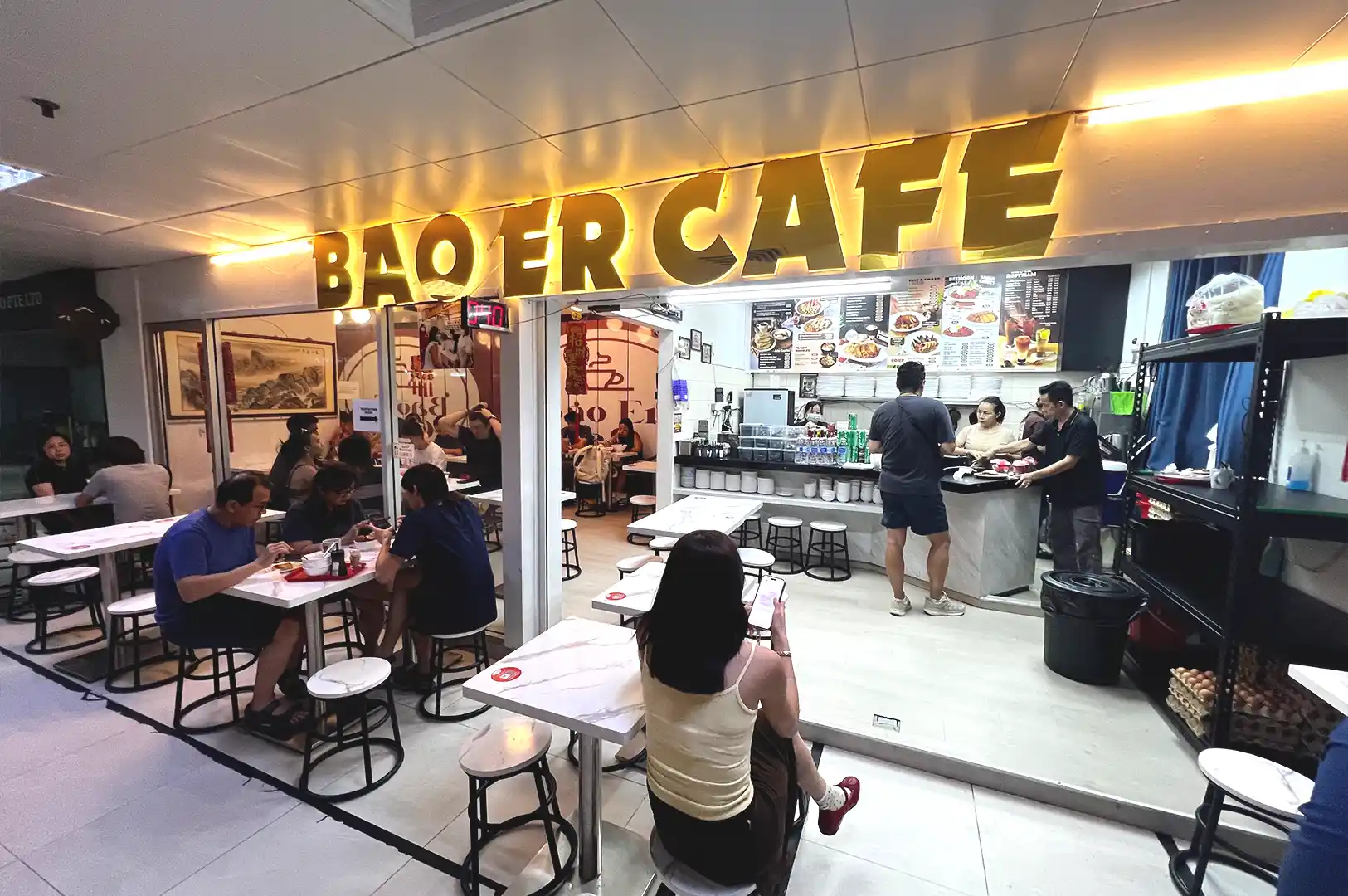
The smell reached me before the sign did.
Wok smoke, sweet and sharp, curling out from somewhere inside Fortune Centre. I wasn’t looking for lunch. I was cutting through the building to escape the heat. But that smell has a way of turning your feet.
That was my first proper visit to Bao Er Cafe, a hidden gem known for its tasty local fare, including their signature hokkien mee and good kaya toast.
I’ve been back a few times since, on different days, at different hours. This is my honest account of what it’s actually like to sit there: the plastic chairs, the wait, the plate that arrives hotter than you expect. If you’ve been reading bao er cafe reviews and want something grounded rather than glossy, here’s what I found.
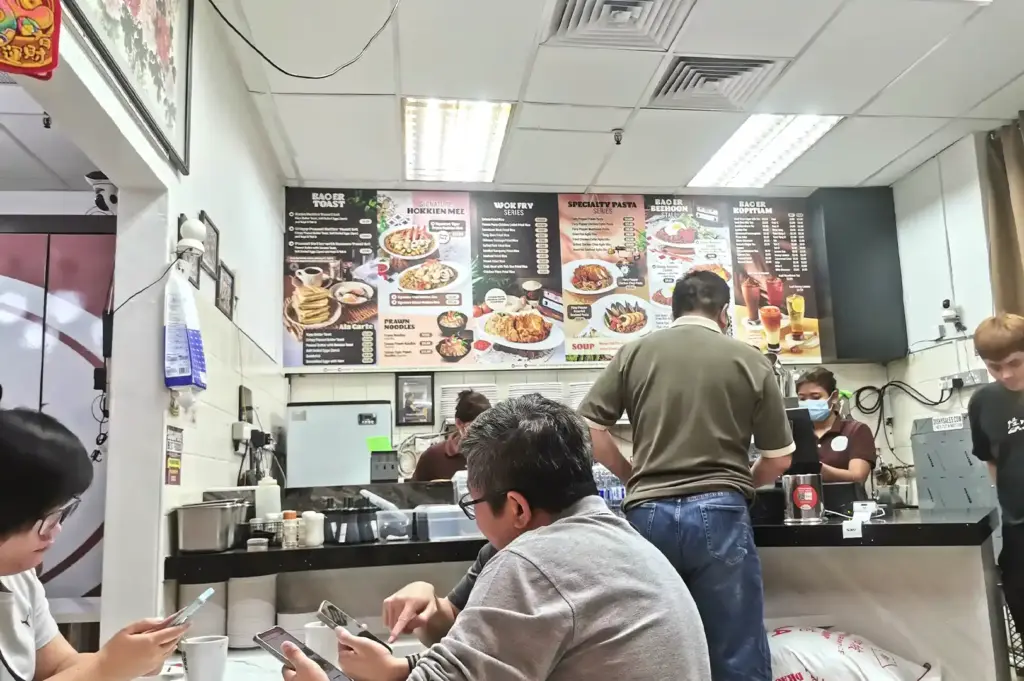
Fortune Centre has a way of hiding its best food in plain sight. Bao er cafe bugis sits among that quiet clutter, and the bao er cafe menu leans hard into the flavours a lot of us grew up on, complemented by quality ingredients and a focus on money well spent.
First Impressions at Fortune Centre
Bao Er Cafe lives inside Fortune Centre, a building better known to the people who eat there than to anyone scrolling for the next trending spot.
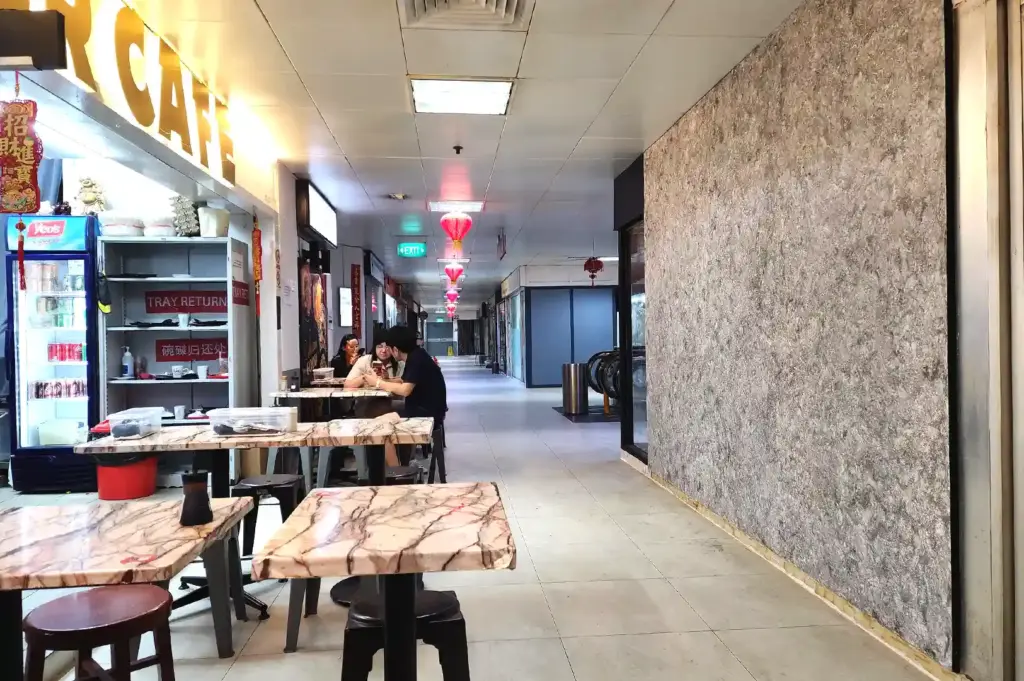
You don’t stumble onto it by accident. You go looking, or you follow the smell. The setting is casual: a modest shopfront, tables that fill fast, the everyday hum of a working eatery rather than a styled café.
There’s nothing polished about it. No feature wall. No careful lighting. Just a kitchen doing its work and a room that smells like it means business.
I liked it immediately, and not because it was beautiful. Because it wasn’t trying to be. If you want the fuller picture of the building’s food, this Fortune Centre cafe and coffee guide is a useful companion for another day.
Ambience and Seating
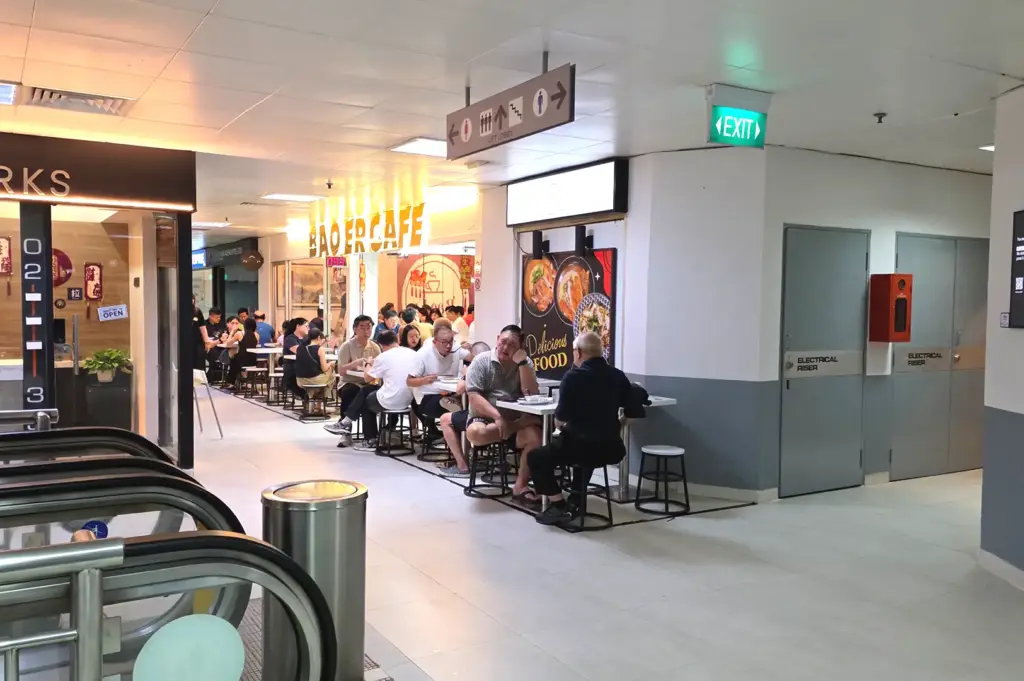
Let me be honest about the space. It’s compact.
Tables sit close. On a busy afternoon, you’ll hear the order being called two seats over and the sizzle from the wok behind it. That closeness doesn’t bother me. There’s an ease to eating shoulder to shoulder with strangers who came for the same thing.
Weekdays are gentler. Fewer people, quicker seats, room to eat without rushing. Weekends and lunch peaks tighten everything: expect a wait when the queue builds, especially for the wok dishes that take time to fire properly.
This isn’t a place to linger over a laptop for three hours. It’s a place to eat well, pay a fair price, and let someone else have your table. That rhythm suits it.
Kaya Butter Toast Set and Soft Boiled Eggs
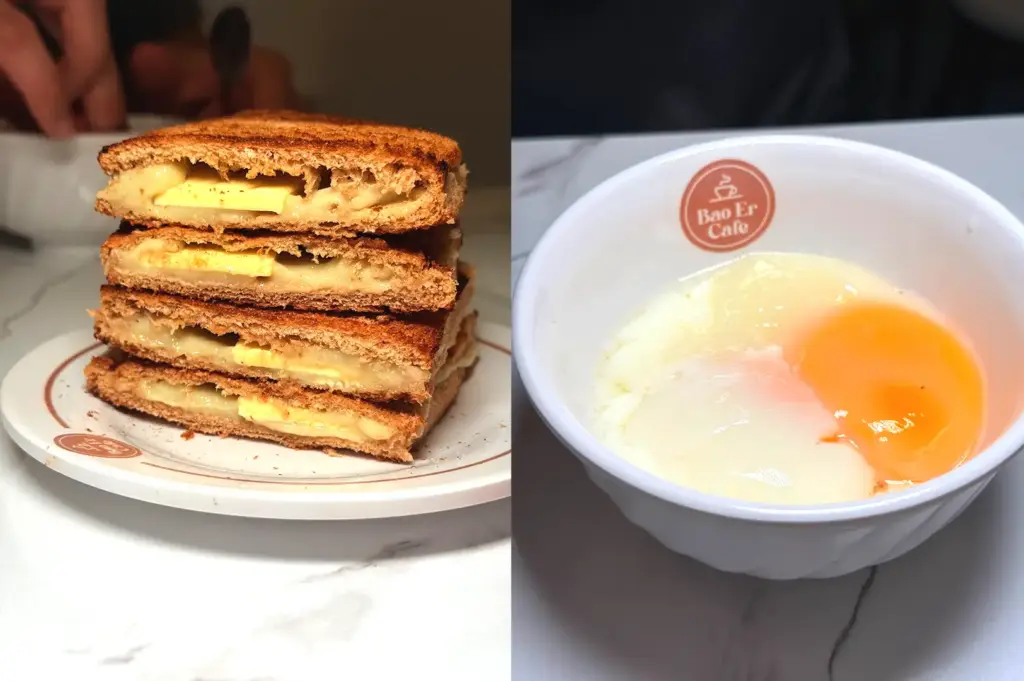
I started, as many do, with the kaya butter toast set.
The toast came crisp at the edges, warm through the middle, split and layered with housemade kaya infused with fresh coconut milk and a slab of butter that softened slowly against the heat. The kaya carried that familiar coconut-pandan sweetness: gentle, not cloying. The butter cut through it with a quiet saltiness.
Beside it, two soft boiled eggs, whites barely set, yolks loose and warm. A splash of dark soy, a shake of white pepper, and you dip the toast straight in. Messy. Comforting. The kind of breakfast that doesn’t ask anything of you.
Paired with a cup of teh or kopi: dark, thick, honest, it’s a small ritual done properly. Nothing reinvented. Just familiar flavours treated with care, which is harder to find than it should be.
The Kaya Butter Toast Set costs around S$6, making it an affordable and satisfying breakfast option.
Fried Hokkien Mee with Wok Hei
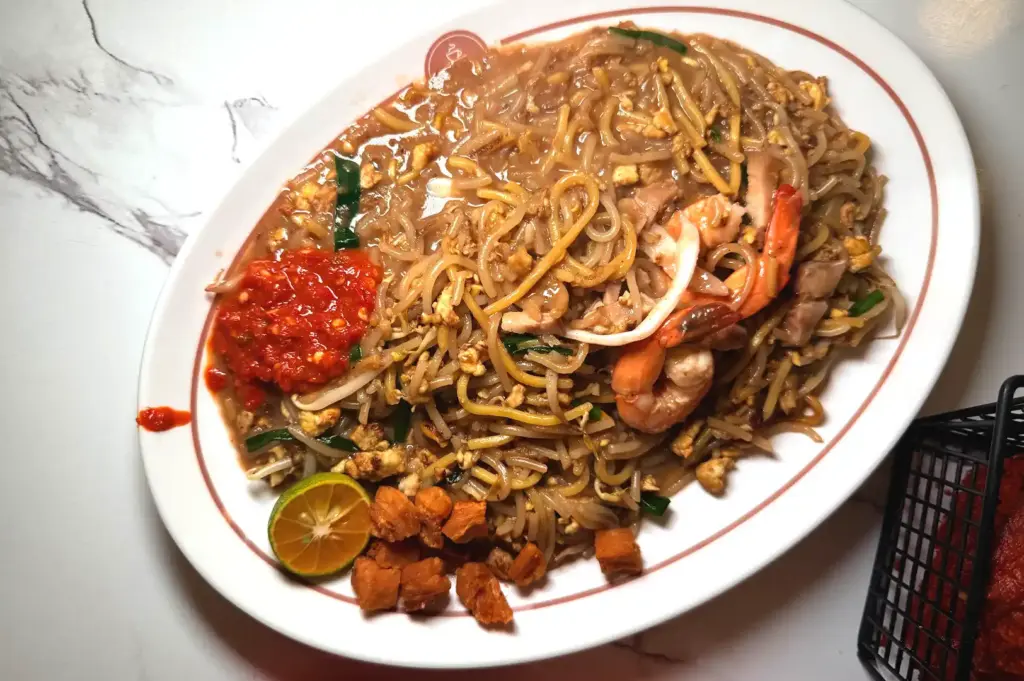
More than pastry and coffee, The fried hokkien mee showcases the kitchen’s skill.
The plate arrives smoky with distinct wok hei clinging to the noodles: the charred, breathy flavour from a hot wok and a skilled cook. Bee hoon and yellow noodles soak up a savoury, prawn-rich stock, carrying flavour individually.
Tiger prawns top the dish, sweet and firm. Bits of squid, pork belly, and fried pork lard add crunch and richness. A spoonful of housemade sambal on the side adds heat if desired.
This is a proper plate of hokkien mee—not tidy or photogenic, but made with a recipe that works. The rich umami gravy ties all the ingredients together beautifully.
Chicken Cutlet Fried Rice, Bee Hoon, and More
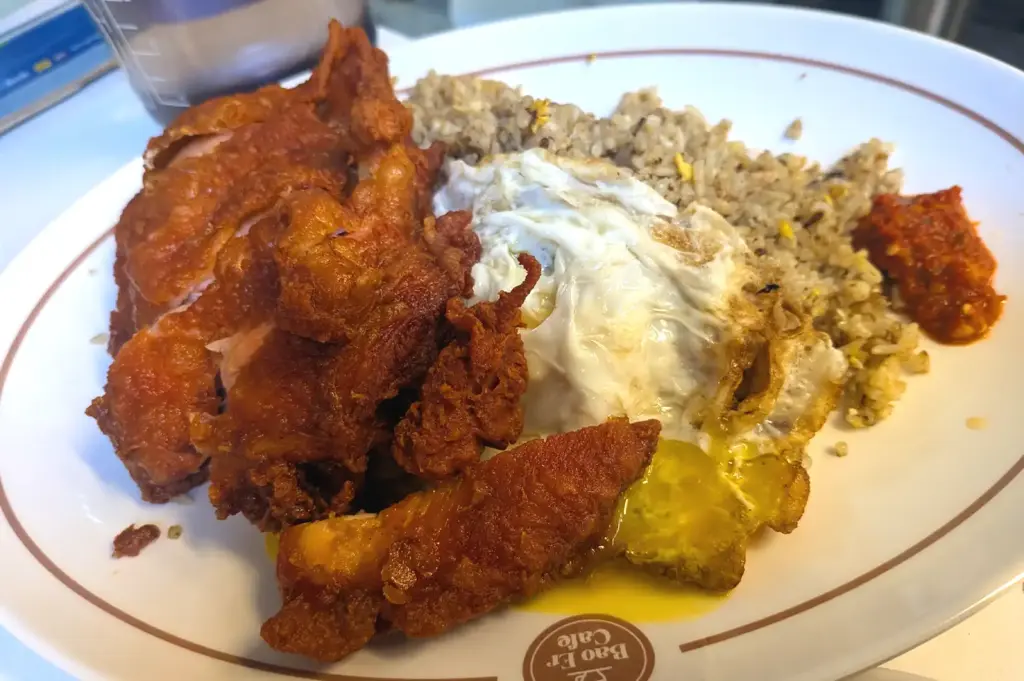
The rest of the menu holds steady in the same lane: local comfort food, done without fuss.
Chicken cutlet fried rice — the rice fried with a light wok char, topped with a crisp cutlet. Simple, filling, the sort of plate you order without overthinking.
Economic bee hoon — familiar and unpretentious, the everyday kind you’d find at a coffee shop stall, plated with a mix of sides.
Fish fillet — lightly done, a gentler option among the heavier plates.
Luncheon meat — that salty, nostalgic slice that finds its way into breakfast sets and rice plates alike.
None of it is reinvented. It’s the food of casual Singapore eateries, cooked with enough care to remind you why these dishes lasted. You don’t come here to be surprised. You come to be fed something you already trust.
Fresh Coconut Milk and Sambal
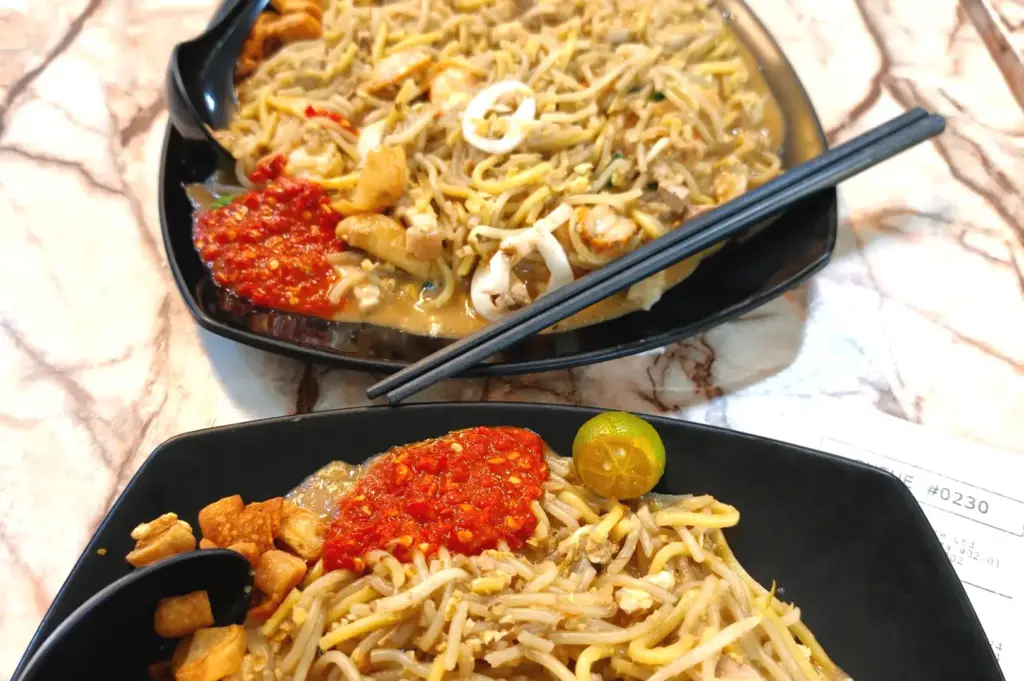
Two things quietly lift the meal beyond the ordinary.
The fresh coconut milk shows up in the richer dishes, adding a soft, rounded sweetness that store-bought versions never quite reach. You notice it without being able to name it: that fuller, cleaner taste underneath.
Then the house made sambal belachan. This is the one that stays with you. Spicy, funky, deep with dried shrimp, the sambal kampung style carrying a proper kick rather than empty heat. It’s the difference between chilli for show and chilli that actually belongs to the dish. Spooned over the hokkien mee or the rice, it wakes everything up.
If the har jeong chic wing — prawn-paste marinated chicken wings — is on that day, order it. Salty, fragrant, worth the small mess of eating with your hands.
Service and Timing
Ordering is straightforward and quick. You order, you pay, you find a seat, you wait.
The service is functional rather than warm: this is a working kitchen, not a place built around hospitality theatre. Staff move fast, especially at peak, and the pace matches the food. During quieter weekday hours, there’s more room to breathe and ask what’s fresh.
The wok dishes take time. That’s the honest trade. A good plate of hokkien mee can’t be rushed, so expect a wait when the room fills. It’s worth it, but plan for it. Before you make the trip, check when bao er cafe opens and confirm the current opening hours, since these can shift. A closed shutter after the walk into Fortune Centre would be a small disappointment.
Finally, if you happen to visit on a Sunday, note that the cafe may have different hours or limited menu options, so it’s best to check ahead.
Who Bao Er Cafe Suits Best
Not every place is for everyone, and that’s fine. Here’s who I think this one serves well.
It suits:
Lovers of traditional Singapore food who want hokkien mee, kaya toast, and sambal done properly
Visitors exploring Fortune Centre looking for a genuine, unpolished meal
Anyone after affordable local flavours in a casual, no-frills setting
Breakfast people drawn to a kaya toast set with sticky bread and soft boiled eggs with kopi or teh
It may suit less:
People chasing specialty coffee and a considered brew
Anyone wanting a quiet café to work in for hours
Diners hoping for modern, plated-for-the-camera presentation
If you land in the first list, it’s an easy meal to enjoy. If you land in the second, it’s worth knowing before you go.
Final Thoughts
I left full: in the stomach, and in that quieter way a familiar meal fills you.
My honest take, after a few visits: Bao Er Cafe isn’t trying to dazzle anyone. It cooks the comfort food of everyday Singapore: the smoky hokkien mee, the sweet-salt kaya toast, the sambal with a real kick, and it does so with a consistency that keeps people coming back. Those are its strengths, and they’re not small.
Bao Er Cafe’s outlet in Fortune Centre may not look like much, but it delivers authentic flavours that truly matter to those who appreciate local food culture. The limits are just as clear. The setting is basic. Would I go back? Yes. On a weekday, before the lunch rush, with time to spare. I’d order the signature hokkien mee, a spoon of that sambal, and a kopi or teh to finish.
If you’re in the area near Balestier Plaza or Holland Village, Bao Er Cafe is worth the detour for a taste of traditional Singaporean breakfast done right. Don’t forget to try their fried egg dishes if you visit; cooked over high heat, they carry a delightful wok hei flavour that elevates the humble egg.
For those who want to share their experience or see what others think, a quick post on social media often reveals more about the latest offerings and any missing items you might want to try next time. So, if you’re craving local comfort food that hits the umami notes just right, Bao Er Cafe is a brand that deserves your attention.